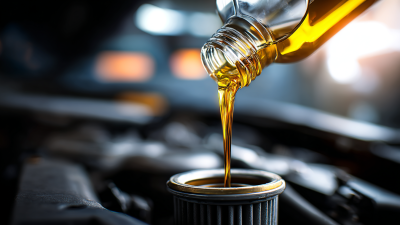
Choosing the best filter oil in 2026 is not as simple as picking the thickest bottle. Different engines, riding conditions, and filter materials require different protection.
This guide compares mineral, synthetic, and biodegradable filter oil options. It examines tackiness, dust retention, temperature stability, washability, and application control. In a dusty workshop, the right oil should cling evenly without leaving heavy pools inside the filter. Too little oil can allow fine grit through. Too much may restrict airflow or reach sensitive engine parts. Small details matter.
Real-world experience often challenges product labels. A premium formula may perform poorly when applied unevenly. A cheaper option may work well in moderate conditions. There is no universal winner. Not yet. Reliable selection depends on the filter manufacturer’s instructions, local climate, and maintenance schedule. Riders in dry desert trails need stronger dust capture. Commuters may prefer easier cleaning and less mess.
The following overview uses practical maintenance principles and current product characteristics to compare leading filter oil types. It also considers environmental concerns, storage life, and user safety during application. Always inspect the filter after the first ride or service interval. That simple check can reveal dry spots, excess oil, or damaged foam. Some conclusions remain open to debate, because testing methods differ between brands. That uncertainty deserves attention, not marketing confidence.
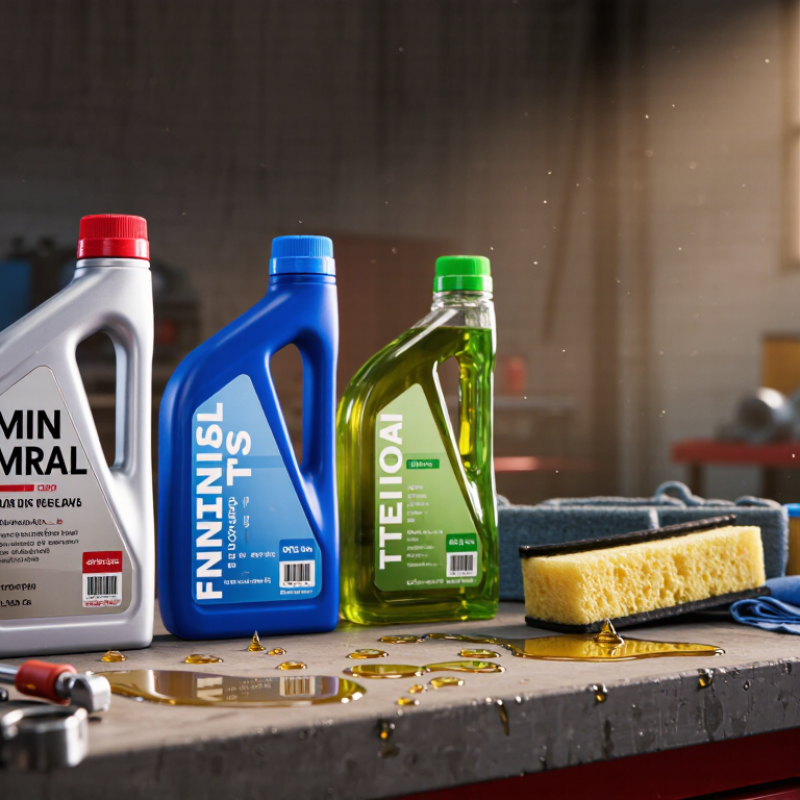
Filter oil is a specially formulated fluid used on reusable air filters, especially foam and layered cotton filters. It creates a thin, sticky film that catches dust before particles reach the engine or ventilation system. Unlike ordinary lubricants, filter oil must stay tacky without flowing freely under heat, vibration, or airflow.
The oil works through contact and adhesion. Air passes through the filter material, while dust sticks to the treated fibers. Foam filters usually need oil squeezed evenly through every section. Spray oil can reach narrow folds, but careless spraying may leave dry areas. Too much oil can restrict airflow and contaminate nearby sensors. Too little oil allows fine dust to pass through.
Common choices include aerosol oil, squeeze-bottle oil, and biodegradable formulas. Aerosols spread quickly, while liquid oil gives better control during maintenance. A practical method is simple: wash the filter, let it dry completely, apply oil gradually, then massage the material until the color looks consistent. Wear gloves during this work. Clean oil is not a substitute for correct filtration.
I have found that “more oil” often feels safer, but it can create problems. That assumption needs questioning. Filter material, operating dust, temperature, and manufacturer instructions should guide the amount. Paper filters should not receive filter oil unless their instructions specifically allow it.
Choosing the best filter oil starts with the filter material, not the product label. Foam filter oil is made for porous foam elements used in dusty environments. Its thick, tacky film traps fine particles while allowing airflow. I have seen poorly oiled foam collapse under dust because the coating was uneven. Too much oil can also restrict the intake. Apply it slowly, then squeeze the foam without twisting.
Petroleum-based filter oil offers strong adhesion and usually costs less. It works well for routine servicing, but its odor and cleanup can be unpleasant.
Synthetic filter oil often spreads more evenly across foam and gauze surfaces. It also maintains stable viscosity across wider temperature changes. That matters.
Biodegradable filter oil uses plant-derived or less persistent ingredients. It can reduce environmental impact, although performance varies between formulas.
“Biodegradable” does not always mean superior filtration.
Cotton gauze filters require a light, even oil layer between cleaning cycles. Dry paper filters should not receive filter oil unless their manufacturer specifically permits it. Oil can block paper pores and damage the filter structure.
Check the service instructions, temperature range, and drying time before installation. In my experience, a slightly under-applied coating is easier to correct than an overloaded one.
Still, that judgment is imperfect. Dust type, humidity, and riding or operating conditions can change the result.
A good choice balances filtration, airflow, material compatibility, and maintenance effort.
Filter oil performance depends on the filter material, dust conditions, and oil application. Foam filter oil usually penetrates deeply into open cells, creating a tacky surface that captures fine dust. Spray oil is faster to apply, but coverage can become uneven around seams and corners. Biodegradable formulas may reduce cleaning concerns, yet their water resistance can vary. Small details matter.
Industry testing uses measurable criteria. ISO 5011 evaluates air-cleaner pressure loss, filtration efficiency, and dust-holding capacity under controlled airflow. SAE J726 also examines restriction and dust capacity during intake-system testing. These methods show an important trade-off: thicker oil can improve particle capture, but excessive oil may increase restriction. The result is less airflow and potentially weaker engine response. More oil is not automatically better.
In workshop testing, a properly oiled foam filter often performs well in dusty, off-road conditions. Paper elements usually provide consistent efficiency without oil, but they can suffer when moisture or heavy dust blocks the pleats. Some comparative reports using ISO-style procedures record efficiency above 99% for high-quality intake filtration, although results change with particle size and test duration. That figure needs caution. Laboratory dust is predictable; real trails are not. I have also seen neglected filters fail because maintenance mattered more than oil type. A thin, even coating is usually safer than a glossy, saturated surface. Yet this judgment should be confirmed through airflow and restriction measurements.
Choosing filter oil starts with the filter material, not the product label. Foam filters usually need a tacky oil that traps fine dust without draining away. Cotton or reusable fabric filters may require a lighter formula. Paper filters normally stay dry. Read the filter manual.
Your working environment matters just as much. Off-road riding, dusty workshops, and construction areas need strong dust-holding performance. Wet conditions require oil that resists water washout. In cold weather, thick oil may spread slowly and restrict airflow. Check the temperature range before application.
Use a small amount first. Too much oil can reduce airflow and contaminate nearby parts. Too little may leave dry patches that allow dust through. From practical maintenance checks, evenly worked oil performs better than a heavy coating. I once over-oiled a foam filter and noticed sluggish response afterward. That mistake changed my routine.
Clean the filter completely before applying fresh oil. Wear suitable gloves, and follow the filter maker’s cleaning instructions. Never mix different oil types without confirming compatibility. Keep a record of service dates and dusty operating hours. This simple habit helps reveal whether the chosen oil suits your actual conditions. A cheap option may work well, but only when its viscosity, tackiness, and material compatibility match the filter.
Foam filter oil suits reusable foam elements because it traps fine dust without quickly draining away. Synthetic or petroleum-based oils may work, but compatibility matters. Some oils soften foam, swell seals, or leave sticky residue. Cotton-gauze filters need light, even oil. Paper filters usually stay dry. Oiling paper can block airflow and damage the media.
The right oil depends on the filter material. Compatibility matters more than using more oil.
The U.S. Department of Energy reports that dirty HVAC filters can increase energy use by 5% to 15%. That figure shows why maintenance affects more than cleanliness. Check restriction indicators, airflow, and visible dust during every service. Do not rely only on a calendar. ISO 5011 testing also compares filtration efficiency with pressure loss, which helps explain why excessive oil is harmful. More oil is not automatically better.
Tips: Apply oil slowly along each pleat. Wait several minutes. Then inspect for dry areas and pooling. Wear gloves and eye protection during cleaning. Use ventilation when handling solvents, and keep them away from flames. Never wash a filter in a food sink. Follow the filter maker’s material instructions, even when they seem overly cautious.
In practice, I have seen filters fail because owners cleaned them too aggressively. That mistake is easy to repeat. Replace torn foam, hardened seals, or permanently restricted media immediately. The U.S. Environmental Protection Agency also notes that indoor pollutant levels can be two to five times higher than outdoor levels, so neglected filtration deserves closer attention.