Top Benefits of Using Pneumatic Oil for Efficient Machine Performance?
Pneumatic oil plays a crucial role in enhancing machine performance across various industries. Expert John Smith, a renowned engineer in fluid dynamics, once stated, "Using the right pneumatic oil can dramatically improve efficiency." This highlights the importance of selecting appropriate lubricants.
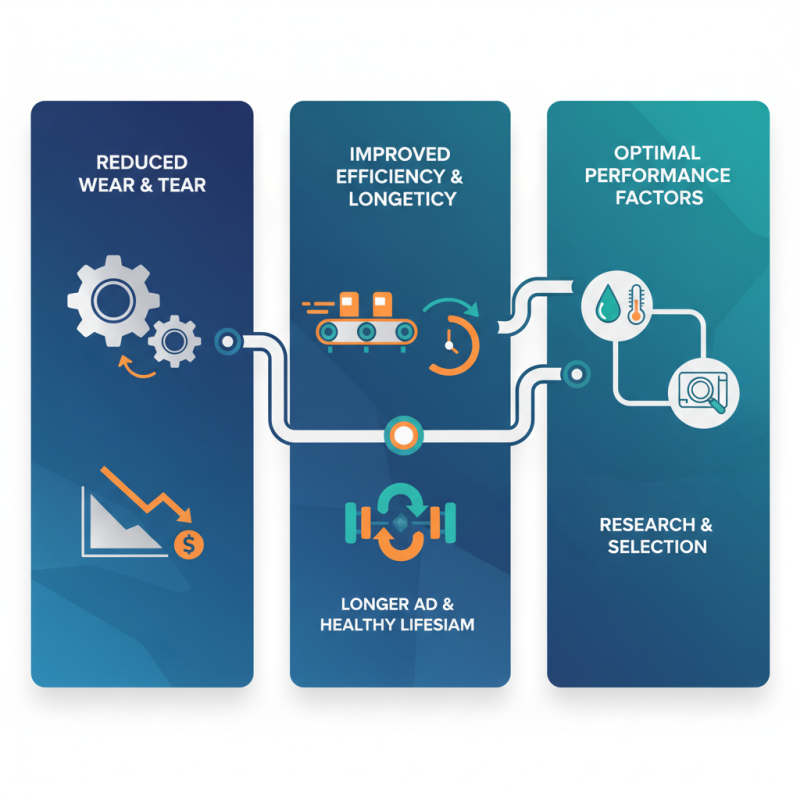
When machines operate optimally, production runs smoothly. Pneumatic oil minimizes wear and tear, reducing maintenance costs. However, not all pneumatic oils are created equal. Some may not meet the specific requirements of certain machinery. Understanding these factors is vital for making informed choices.
Additionally, the application of pneumatic oil can be complex. Users must consider viscosity and compatibility. Improper selection can lead to equipment damage and downtime. For companies aiming for efficiency, these details are essential. Investing time in research can lead to better machine performance and longevity.
Benefits of Pneumatic Oil in Enhancing Machine Performance
Pneumatic oil plays a vital role in enhancing machine performance. Its primary function is to lubricate moving parts efficiently. This reduces friction and wear, prolonging the lifespan of machinery. When pneumatic oil is used properly, machines operate smoothly and reliably. This also leads to decreased energy consumption.
Regular maintenance is crucial for optimal results. Check oil levels frequently. If levels are low, it can affect performance. Dirty oil can also hinder machine function. Consider changing the oil regularly to ensure cleanliness.
Before using pneumatic oil, ensure compatibility with equipment. Mismatched oil can lead to system failures. Use the recommended type to avoid issues. Understanding the specific needs of machines can yield better results. Enhanced machine performance is a continuous process. Always evaluate and adjust your lubrication strategies.
Key Properties of Pneumatic Oil for Optimal Efficiency
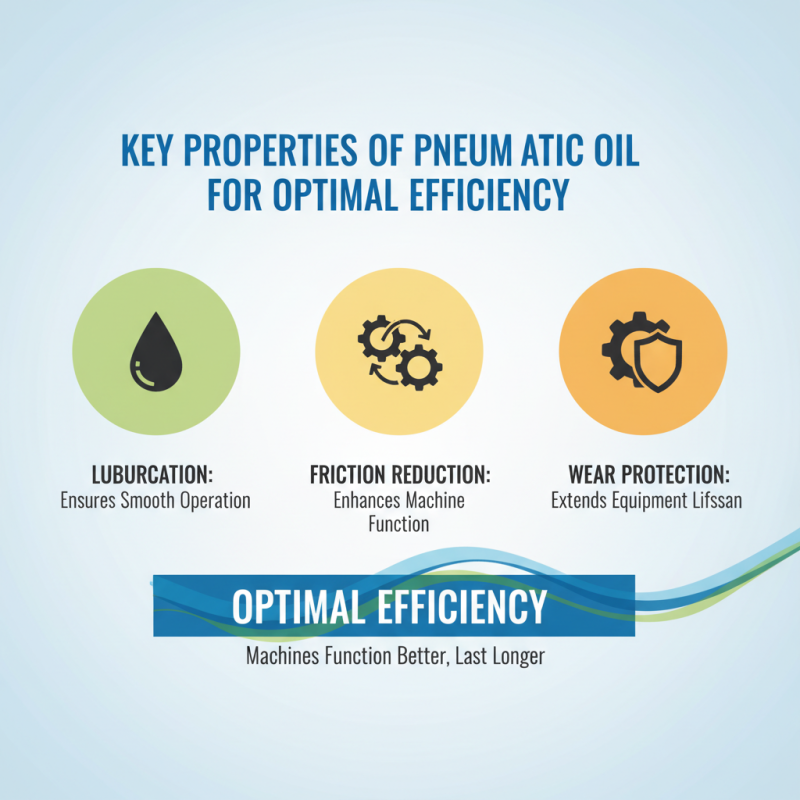
Pneumatic oil is essential for the smooth operation of many machines. It serves several key purposes that directly influence efficiency. This oil provides lubrication, reducing friction and wear on moving parts. When parts move freely, machines function better and last longer.
The properties of pneumatic oil contribute significantly to optimal efficiency. It must have a suitable viscosity for the specific temperature range of the machine. If the viscosity is too high, it hinders movement. Conversely, if it’s too low, it can’t provide adequate protection. Maintaining the right balance is critical.
Moreover, pneumatic oil should resist foaming and oxidation. Foaming can create air pockets, leading to uneven pressure and flow. Oxidation can degrade the oil, compromising its effectiveness. While many machines rely on pneumatic oil, not all are aware of the importance of timely oil changes. Ignoring this can cause performance issues. Regular maintenance is necessary to ensure machines work at their best.
How Pneumatic Oil Reduces Friction and Wear in Machinery
Pneumatic oil plays a crucial role in enhancing machine performance. By effectively reducing friction and wear, it ensures smoother operation of machinery. A study by the Society of Tribologists and Lubrication Engineers found that proper lubrication can decrease friction by up to 30%. This reduction results in less energy consumption and extended equipment life.
When pneumatic oil is utilized, the film strength increases. This creates a protective layer on moving parts, minimizing direct contact. According to research, machines with adequate lubrication can experience up to 50% less wear compared to those without. Over time, this leads to significant cost savings on repairs and replacements.
However, not all pneumatic oils are created equal. The choice of oil can impact the efficiency gains. For instance, using an inappropriate oil may lead to inadequate lubrication. This can increase wear and cause uneven performance. Regular assessment of oil quality is essential. Options are available, but it's important to match the oil properties to the machine specifications carefully.
Top Benefits of Using Pneumatic Oil for Efficient Machine Performance
| Benefit |
Description |
Impact on Performance |
| Reduces Friction |
Pneumatic oil creates a smooth film between moving parts, minimizing resistance. |
Increases efficiency and reduces energy consumption. |
| Minimizes Wear |
Provides a protective layer that limits surface contact between parts. |
Extends the lifespan of machinery and components. |
| Improves Heat Dissipation |
Facilitates better cooling of moving parts, preventing overheating. |
Maintains optimal operating temperatures for enhanced performance. |
| Reduces Noise |
Lubrication from pneumatic oil dampens sound generated by machinery. |
Creates a quieter working environment. |
| Prevents Corrosion |
Contains additives that protect metal surfaces from oxidation. |
Ensures durability by protecting against environmental damage. |
Impact of Pneumatic Oil on Energy Consumption and Cost Savings
Pneumatic oil is essential for the smooth operation of machines. It helps reduce friction and wear. This oil acts as a lubricant, enhancing the performance of pneumatic systems. With proper lubrication, machines operate more efficiently. This efficiency can lead to significant savings on energy costs.
Using high-quality pneumatic oil can directly impact energy consumption. Efficient machines require less energy to operate. Therefore, choosing the right oil can reduce operational costs. A well-lubricated system can consume up to 15% less energy. This reduction not only lowers bills but also extends machine life.
However, not all pneumatic oils perform equally. Some may leave residues that accumulate in the system. This can lead to increased consumption and higher costs. Regular monitoring and maintenance are crucial. Ensuring the right oil is used can save money in the long run. Small changes in oil choice can result in big impacts on costs and energy use.
Maintenance Best Practices for Maximizing Pneumatic Oil Benefits
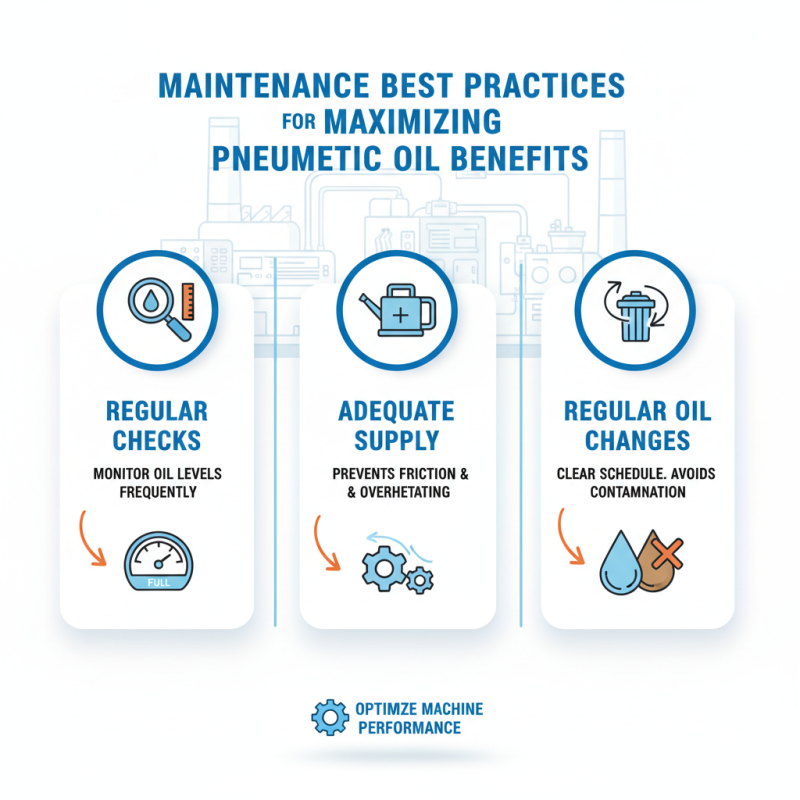
Maintaining pneumatic oil is crucial for optimizing machine performance. Regular checks are essential. Monitor oil levels frequently. Ensuring adequate supply helps prevent friction and overheating. Over time, contamination can occur. This can lead to machine inefficiencies. So, regular oil changes are key. Aim for a clear schedule for these changes.
Proper storage of pneumatic oil is also important. Store it in a cool, dry location. Avoid direct sunlight. This can degrade the oil quality. Use clean containers to prevent contamination. It's easy to forget this step, but it matters greatly. Another point to consider is the choice of filtration. A good filter removes particulates, enhancing oil longevity. Regularly inspect and replace the filters as needed.
Over- lubricating is a common mistake. More oil doesn't always mean better performance. Excess oil can cause buildup, leading to increased pressure. This could potentially damage components. Aim for a balanced approach. Check for leaks routinely; they can waste not just oil but also energy. Staying proactive in these areas can boost efficiency and prolong machinery life.