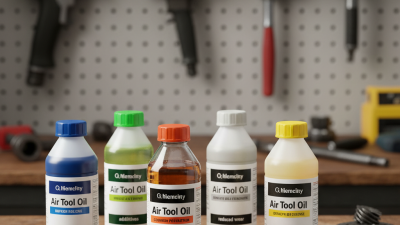
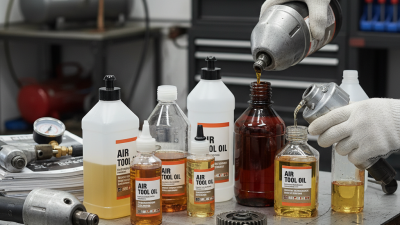
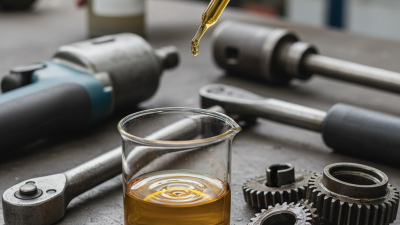
What is the Best Air Tool Oil for Optimal Performance?
When it comes to maximizing the performance of air tools, the choice of air tool oil is crucial. According to a report by the International Tool Association, the proper lubrication can increase tool lifespan by up to 30%. Experts agree that selecting the right oil can make a significant difference in efficiency. "Quality air tool oil not only ensures smooth operation but also protects against wear," states Dr. Emily Carter, a leading expert in pneumatic tools and lubrication.
Crafting the ideal blend of air tool oil requires an understanding of both the tool's needs and the operating environment. While many options claim to provide optimal performance, not all oils deliver the promised results. Some products may contain additives that can cause buildup or corrosion, ultimately harming the tools they are meant to protect. Regular maintenance is also often overlooked, yet it can significantly enhance the effectiveness of the oil used.
In a marketplace flooded with choices, making an informed decision is essential. Users often struggle to identify the best products. It is important to evaluate specific formulations, such as synthetic versus mineral oils. Balancing price and quality can also be challenging. Ultimately, the right air tool oil is a key player in ensuring that your tools function effectively and last longer.
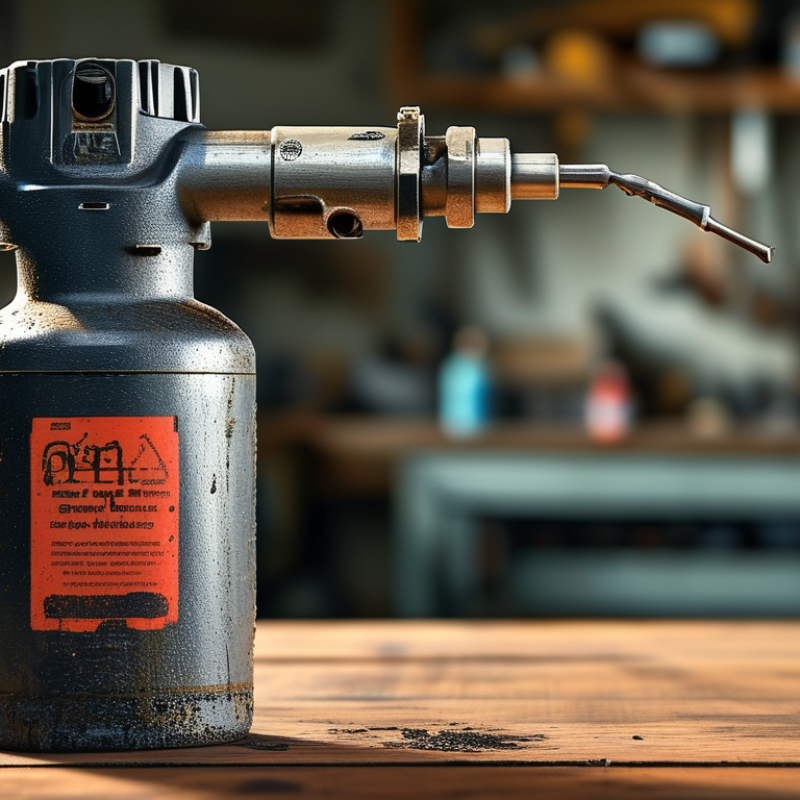
Understanding the Importance of Air Tool Oil for Performance
Air tool oil plays a crucial role in ensuring the optimal performance of pneumatic tools. Regular use of air tool oil can significantly enhance the longevity of your equipment. According to industry reports, pneumatic tools that receive proper lubrication can last up to 50% longer than those that don't. This oil not only lubricates moving parts but also helps to prevent rust and corrosion, crucial for durability.
Tips: Always check your tool’s manual for recommended oil specifications. Keep your tools clean and free from debris to allow the oil to work effectively.
Using quality air tool oil improves efficiency. In a study by the National Institute for Occupational Safety and Health (NIOSH), professionals noted a marked decrease in tool breakdowns with regular oiling practices. Despite this, many users overlook oil maintenance. A simple routine can save costs on repairs and replacements that can be up to 30% of the original tool cost.
Tips: Use a dedicated oil container to avoid contamination. Regularly monitor oil levels and refill as needed to maintain peak performance.
Key Ingredients to Look for in Quality Air Tool Oil
Choosing the right air tool oil is crucial for optimal performance. When evaluating air tool oils, consider the key ingredients that ensure maximum efficiency and longevity. High-quality air tool oils often contain additives that provide anti-wear properties. Research indicates that oils infused with zinc dialkyldithiophosphate can significantly reduce friction between moving parts, enhancing tool lifespan. Tools maintained with such oils can experience up to 30% longer operational life.
Moreover, moisture and contaminants can cause significant damage. Oils with high-quality detergents and dispersants can help mitigate these effects. Data from industry reports suggest that oils containing these ingredients can prevent up to 80% of rust and corrosion. Tools stay cleaner, reducing the frequency of maintenance and associated costs, which can be a decisive factor for professionals.
Moreover, the viscosity of the oil plays a vital role. A thinner oil may flow easily at startup but might not provide adequate protection at higher temperatures. Oil with balanced viscosity properties ensures reliable performance across various conditions. However, finding the perfect balance can be challenging. Some users report that their tools still experience premature wear due to inconsistent oil application. This highlights the need for not only quality oil but also attention to proper maintenance practices.
Types of Air Tool Oils and Their Specific Applications
Choosing the right air tool oil is critical for maintaining performance. There are various types of air tool oils available, each suited for specific applications. For instance, mineral-based oils are commonly used for general air tools. They provide basic protection and lubrication. Synthetic oils, on the other hand, offer superior performance in extreme temperatures. They reduce friction and wear more effectively.
Estimates show that using the proper oil can increase the lifespan of tools by as much as 30%. Some oils contain additives that prevent rust and oxidation. This is essential for tools that are exposed to moisture. Furthermore, certain formulations are designed for pneumatic systems in high-demand environments, such as construction sites. These oils can enhance the efficiency of tools and minimize downtime.
On the flip side, not all oils are compatible with every tool. Some users report issues when using incorrect oil types, leading to reduced performance. It’s vital to understand the requirements of specific tools. Always consult manufacturer guidelines to avoid potential damage. Not every oil will provide the same level of protection. An informed choice is the best way to ensure optimal tool performance and longevity.
How to Properly Apply and Maintain Air Tool Oil
Maintaining air tools requires the right type of oil and proper application techniques. Industry reports indicate that nearly 70% of air tool failures stem from inadequate lubrication. Proper oil application can extend tool lifespan and enhance performance.
To apply air tool oil correctly, start by ensuring the tool is clean. Old oil residues can hinder performance. Add a few drops of oil to the air inlet. This small amount can greatly improve efficiency. Be cautious not to over-oil. Excess can lead to complications, including moisture buildup.
Regular maintenance is critical. Clean air filters frequently, as they prevent contaminants from affecting the oil. According to the American Society of Mechanical Engineers, tools with regular oil maintenance operate 20% more efficiently than those without. Frequent checks help catch potential issues early. A proactive approach can make a significant difference in tool functionality.
Comparative Reviews of Top Air Tool Oils on the Market
When selecting air tool oil, performance is crucial. Not all oils are created equal. The right air tool oil keeps tools running smoothly and prevents wear. Some oils offer superior lubrication, while others may cause issues over time. Factors such as viscosity and additives can significantly impact performance.
Consider testing various oils. A product might work well for one tool but not for another. Monitor how each type affects your tools' efficiency. You may find that some oils perform better at higher temperatures, while others excel in colder environments. Keep an eye on long-term effects too; an oil that seems fine initially might lead to problems later.
Tips: Always follow manufacturer recommendations when choosing oil. Regularly change the oil to avoid build-up. Periodic maintenance can extend the life of your air tools. Experimenting with different options may yield better results. Don't settle for the first oil you try; explore your choices to find the ideal match for your specific needs.