
Which Is the Best Extruder Machine Parts Supplier in China?

Choosing the best supplier for Extruder Machine Parts in China is not a simple price comparison. A polished catalog can look convincing. The real test is whether a supplier understands your machine, polymer, and operating conditions. A screw that handles one formulation well may wear quickly with another. A poorly matched barrel can cause unstable output, rough surfaces, or frequent downtime. Small details matter.

Dr. Chris Rauwendaal, a recognized polymer-processing expert, has written extensively about extrusion. A concise paraphrase of his guidance is: “Screw design, material behavior, and process conditions must work together.” Use that principle when assessing suppliers. Ask about alloy grades, heat treatment, machining tolerances, and inspection records. Request drawings and material certificates, then confirm that specifications match your existing equipment. For critical parts, discuss sample testing before placing a large order. Check response times, replacement-part availability, and how the supplier handles defects. These details reveal more than a low quotation.

There is no universal winner. A supplier may offer excellent machining but limited technical support. Another may communicate well, yet provide incomplete quality records. That trade-off deserves a closer look. This guide compares practical selection criteria for buyers seeking dependable parts, transparent documentation, and realistic after-sales support in China. It also considers where uncertainty remains, because claims should be checked against evidence—not accepted on appearance alone.
Which Is the Best Extruder Machine Parts Supplier in China?

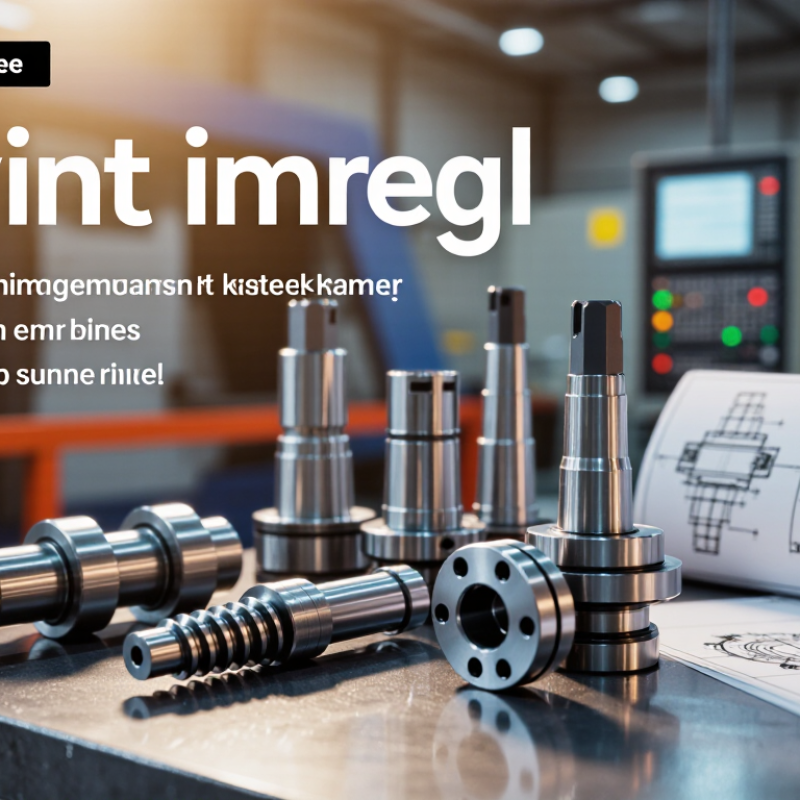
Extruder Parts Overview: Screws, Barrels, Liners, and Wear Components

Extruder performance depends on the fit between the screw, barrel, liner, and other wear components. The screw’s flights convey and melt material; its mixing section helps even out temperature and composition. Barrel condition matters just as much. A scored bore can disturb flow and accelerate wear. Small gaps matter.

Plastics Europe’s Plastics – the Fast Facts 2024 report estimates global plastics production at 413.8 million tonnes in 2023. This figure covers plastics broadly, not extrusion alone, but it shows the scale of processing behind demand for reliable equipment. Abrasive fillers, such as glass or mineral particles, can increase wear. Liners and screw alloys should therefore match the material, operating temperature, and cleaning routine. There is no universally best alloy; treating one as a default can be an expensive oversimplification.

Tips: Ask suppliers for dimensional inspection records and material specifications. Check screw-to-barrel clearance against the machine maker’s guidance, and review wear patterns during maintenance. Measure hot, too. It is easy to overlook thermal expansion when comparing cold parts.

Screw Design Benchmarks: Typical 24:1–36:1 L/D Ratios and Part Compatibility

A screw’s L/D ratio is the working length of its flighted section divided by its diameter. In many applications, 24:1 to 36:1 is a practical design range, not a universal specification. A 24:1 screw may suit simpler melting needs, while longer designs can provide more time for mixing and temperature control. Longer is not automatically better. Resin type, output target, screw speed, and heat sensitivity all affect the choice.

Compatibility starts with measurements. Check screw diameter, total length, flight direction, root diameter, and the fit between screw and barrel. Confirm the feed throat, drive coupling, and gearbox interface too. Even a small mismatch can cause installation problems or uneven wear. Ask suppliers for material details, machining tolerances, and inspection records. Drawings are useful, but they cannot reveal every production issue.

When comparing extruder machine parts suppliers in China, send the same equipment drawings and operating details to each candidate. Include the polymer, typical temperatures, and target output. Request confirmation that the replacement screw matches the existing barrel, rather than relying on L/D alone. Fit matters. One detail is easy to overlook: a compatible screw may still perform poorly if its compression and mixing sections do not suit the process. That point deserves a second check.

Which Is the Best Extruder Machine Parts Supplier in China?

Screw Design Benchmarks: Typical 24:1–36:1 L/D Ratios and Part Compatibility

How to read the chart: The lengths are calculated for a 50 mm screw diameter: L/D ratio × screw diameter. They are reference calculations, not specifications for a particular machine.

Compatibility check: Confirm screw diameter and effective length, barrel inside diameter and length, feed-throat geometry, screw and barrel materials, and drive coupling dimensions. L/D measurement conventions and part designs can vary, so verify the machine drawing and resin-processing requirements before ordering.

Material and Wear Specifications: Compare Alloy Grades, Hardness, and Nitriding

When comparing extruder machine parts suppliers in China, ask for the exact alloy grade, not just “wear-resistant steel.” Screw and barrel materials face different combinations of heat, pressure, abrasion, and corrosion. A tool steel may suit one process, while a corrosion-resistant alloy may better fit another. No grade wins everywhere. Request material certificates and confirm that the listed grade matches the part drawing.

Hardness figures need context. Ask whether the supplier reports surface hardness, core hardness, or both, and which test method was used. For nitrided parts, check the nitrided case depth and surface hardness alongside the base material. A very hard surface can resist wear, but a brittle or shallow case may not last under heavy loading. Small details matter. Compare inspection records, not just catalogue numbers.

A reliable supplier should explain its heat-treatment and nitriding controls and provide traceable test results for the parts being quoted. Ask how it checks uniformity along a screw or barrel; readings from one spot may miss local variation. It is tempting to choose the highest hardness value, but that can be a poor shortcut. Specifications should match the polymer, operating temperature, and expected service conditions. Some wear predictions remain uncertain until the part runs in the actual process.

Manufacturing Quality: Assess ISO 286-1 Tolerances and ISO 9001:2015 Systems

Which Is the Best Extruder Machine Parts Supplier in China?

Manufacturing Quality: Assess ISO 286-1 Tolerances and ISO 9001:2015 Systems

When comparing extruder machine parts suppliers, examine how they control dimensions, not just what their brochures promise. ISO 286-1 provides a system of tolerance classes and fits for specified linear dimensions. It helps buyers and manufacturers communicate acceptable limits. It does not, by itself, certify a part or guarantee that every component meets its drawing.

Ask for inspection records tied to actual parts. For a screw shaft or barrel component, check whether the report lists measured diameters, tolerance limits, and the instrument used. A capable supplier should explain how measurement results connect to the drawing and how out-of-tolerance parts are handled. Details matter. A polished report can still leave questions unanswered, so verify that its measurements match the features that affect assembly and wear.

ISO 9001:2015 focuses on a quality management system, including document control, corrective action, and process monitoring. Ask how nonconformities are recorded and whether corrective actions are checked for effectiveness. Look for consistent records across production batches. A certificate is useful, but it is not proof of machining precision. It is easy to overvalue paperwork; sample inspection and clear communication deserve equal attention.

Supplier Evaluation: Compare Customization, Testing, Lead Times, and Warranty Terms

A strong extruder machine parts supplier should prove it can match your screw, barrel, and operating conditions—not just quote a catalog size. Share drawings, material grades, tolerances, and expected output. Ask for a sample inspection report and confirmation that custom changes will be recorded for repeat orders. Small details matter. A port placed a few millimeters off can disrupt installation.

Testing, delivery, and warranty terms deserve equal scrutiny. Request hardness results, dimensional checks, and a clear description of how parts are tested before shipment. McKinsey’s 2020 survey of supply-chain executives found that 93% planned to make their supply chains more resilient. For buyers, resilience starts with realistic lead times, shipment updates, and a backup plan for delayed components. Compare quoted delivery dates with recent order records. Check whether the warranty covers defects, repair or replacement, and freight costs. A polished promise is not enough.

Tips: Ask for a written inspection checklist, a sample production schedule, and warranty terms before paying a deposit. If records are incomplete, pause and ask why. A good supplier should answer clearly, even when the answer is “we need to verify.”

Which Is the Best Extruder Machine Parts Supplier in China? — Supplier Evaluation: Compare Customization, Testing, Lead Times, and Warranty Terms

The anonymous supplier profiles below are comparison archetypes, not verified quotations or claims about specific companies. Lead times and warranty coverage vary by part, material, order quantity, and contract; confirm all terms in writing before placing an order.

Evaluation criterion Profile A
Standard-parts focused
Profile B
Custom machining focused
Profile C
Integrated manufacturing
Profile D
Engineering-led production
Customization Limited modifications; best suited to repeat orders using established drawings. Custom dimensions and material options; confirm drawing review and revision control. Can coordinate machining and heat treatment; request evidence that processes are controlled. Typically offers design-for-manufacture support and application review; verify the scope and fees.
Typical testing to request Dimensional inspection and material certificate, where specified. Dimensional report, hardness results, and material traceability for critical parts. Inspection records plus process documentation for applicable heat treatment or coating. Inspection plan agreed before production; request documented results for critical dimensions and materials.
Useful checks for screw and barrel parts Confirm dimensions, fit, and material grade against the approved drawing. Ask about screw geometry, straightness/runout, surface finish, and hardness requirements. Check material traceability and the specified heat-treatment or nitriding results. Agree acceptance criteria for geometry, clearances, surface condition, and any wear-resistant layer.
Indicative production lead time About 2–5 weeks for available or repeat standard items; verify stock and quantity. About 4–8 weeks for made-to-drawing parts, depending on complexity and material availability. About 5–10 weeks when machining and outsourced processing are both required. About 6–12 weeks for engineered or complex custom parts; drawing approval can affect the schedule.
Warranty terms to confirm Check whether coverage is limited to manufacturing defects and whether installation is excluded. Request the warranty period, remedy, claim evidence, and return-freight responsibility in writing. Clarify coverage for the part itself versus wear, corrosion, or damage caused by operating conditions. Agree acceptance criteria, notification deadlines, remedy, and exclusions before production.
Key purchasing risk Limited flexibility if the installed machine requires a nonstandard fit. Quality can depend on drawing completeness and inspection requirements. Multiple processes may make schedule and quality responsibility harder to track. Engineering support may add cost or extend the quotation and approval stage.
Best fit Routine replacement parts with stable specifications and a strong need for speed. Custom parts where the buyer can provide complete drawings and acceptance criteria. Orders needing coordinated machining and secondary processing. Complex applications where technical review and documented requirements are priorities.
Indicative score
(out of 5)
3.5 4.0 4.0 4.5

Scores are illustrative, not supplier ratings. For a fair comparison, provide every bidder with the same approved drawings, material specifications, inspection requirements, order quantity, delivery destination, and warranty questions. Select the supplier whose documented capabilities and written terms best match the application—not the profile with the highest indicative score.