Choosing the right oil filter pump can improve maintenance speed, reduce spills, and protect valuable equipment. For global buyers, the best choice depends on more than price or impressive advertising. Flow rate, suction strength, hose length, filter compatibility, power supply, and seal quality all affect daily performance. A pump that works well on a compact diesel engine may struggle with thicker oil in a marine system. Small differences matter.
This guide reviews 10 best oil filter pump options for different users, including vehicle owners, workshops, agricultural operators, and marine technicians. Each option should be considered against realistic working conditions. Look for durable materials, clear operating instructions, replaceable parts, and dependable customer support. Buyers should also confirm voltage requirements, connector types, temperature limits, and shipping availability before ordering. A pump with a strong motor is not always the most practical choice.
Real-world maintenance is rarely perfect. Oil viscosity changes with temperature, batteries lose power, and fittings can loosen after repeated use. Some product specifications are difficult to compare because manufacturers measure performance differently. That limitation deserves attention. This selection therefore focuses on useful evidence, practical design, user experience, and long-term serviceability rather than marketing claims alone. It cannot predict every workshop’s needs. However, it can help buyers ask better questions and avoid costly mismatches. Clean handling matters. So does safe disposal of used oil through approved local collection channels.
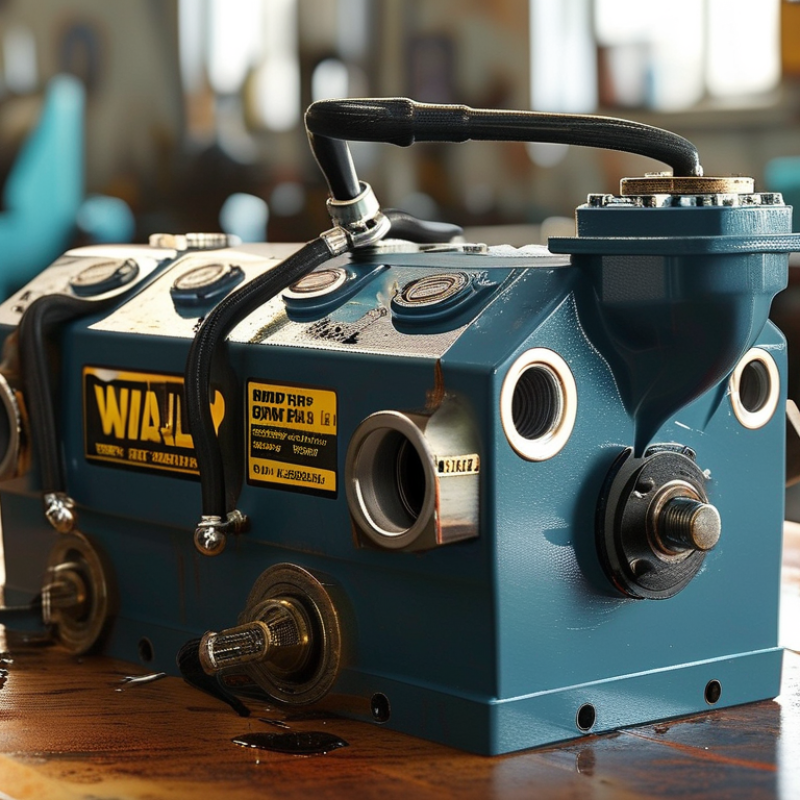
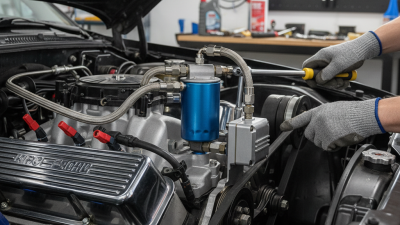
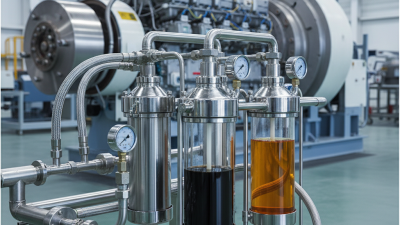
An oil filter pump is a mechanical device that moves used or contaminated oil through a filtration system. It commonly includes a motor, suction tube, filter housing, pressure valve, and discharge hose. The pump creates flow by drawing oil from a tank, engine, or collection container. The oil then passes through filter media that traps particles, sludge, and some metal debris.
The working process is simple but depends on correct pressure. A motor drives an internal gear, vane, or diaphragm mechanism. This movement produces suction on the inlet side and pushes filtered oil through the outlet. A pressure relief valve helps prevent damage when the filter becomes blocked. Some systems use a transparent hose, allowing operators to inspect oil color and visible contamination during transfer. However, clear oil does not always mean clean oil.
For global buyers, pump selection should match oil viscosity, operating temperature, voltage, hose size, and expected flow rate. Thick hydraulic oil needs stronger pumping capacity than light lubricating oil. Seals must also resist heat and chemical exposure. In practical maintenance work, a common mistake is choosing a pump by flow rate alone. A fast pump may overheat, damage the filter, or create unsafe pressure. Checking technical data, replacement filter availability, electrical protection, and local compliance is more reliable. Even experienced users should recheck connection direction, filter seating, and grounding before operation. Small oversights can cause leaks.
Oil filter pumps vary by flow rate, oil thickness, power source, and service environment. Choosing the right type protects equipment and reduces maintenance delays.
Manual vacuum pumps suit small engines, motorcycles, and occasional workshop servicing. They are portable, quiet, and easy to control. However, thick oil can make manual extraction slow.
Electric gear pumps provide steady flow for garages, agricultural machinery, and regular oil changes. Their compact design works well with storage tanks and flexible hoses. Check motor protection before continuous use.
Pneumatic diaphragm pumps handle demanding workshop conditions and variable oil viscosity. They are useful where compressed air is already available.
Rotary vane pumps offer smooth transfer and consistent pressure for filtration units.
Centrifugal pumps suit larger systems, but they may perform poorly with very viscous oil.
In field inspections, incorrect hose sizing often causes more trouble than the pump itself. I have also found that published flow rates can seem optimistic under cold conditions.
Tips:
Match the pump with the oil’s viscosity and temperature range. Measure actual flow, not only the catalog figure. Use chemical-resistant seals and inspect them regularly. Keep the suction line short, wide, and free from sharp bends. A transparent section can reveal air bubbles or sludge early. Do not overlook noise, cleaning access, or emergency shutoff design. The cheapest pump may not be the most reliable choice.
Choosing an oil filter pump starts with real operating conditions, not a product ranking. Check the pump’s rated flow in liters per minute, then compare it with your oil’s viscosity and temperature. A pump moving 15 L/min with warm hydraulic oil may perform much slower with cold engine oil. Measure performance under load.
Filtration quality depends on more than the advertised micron rating. Confirm whether the rating is nominal or absolute, and inspect the filter’s dirt-holding capacity. A pressure gauge can reveal rising resistance before flow drops sharply. I also check for a bypass valve, because a blocked filter can stop circulation or damage seals. Small details matter.
Compatibility requires careful inspection. Match the pump material with the oil type, hose size, thread standard, voltage, and duty cycle. Global buyers should request clear datasheets, replacement filter codes, test conditions, and safety documentation. Do not trust a universal connector too quickly. I once overlooked a slightly different thread pitch during equipment selection; the fitting seemed correct but leaked under pressure. That mistake changed my checklist.
Noise, weight, drain speed, and cleaning access also affect daily use. A compact pump may be convenient, yet its motor can overheat during repeated transfers. Compare measured capacity at your expected oil temperature, not only the headline figure. Leave room for uncertainty. Manufacturer data can be useful, but independent testing is more convincing.
The ten best oil filter pumps differ by oil thickness, flow demand, and working location. A manual hand pump suits small engines and occasional servicing. A portable electric pump works better for workshops handling several vehicles daily. Pneumatic diaphragm pumps tolerate dusty environments and offer steady transfer without complex wiring. Gear pumps handle thick lubricants, while vane pumps provide smoother flow for cleaner oils. Drum-mounted pumps save space. Vacuum extractor pumps remove used oil through narrow service openings. Filter-cart pumps support repeated cleaning of hydraulic systems. High-viscosity models reduce waiting time during cold mornings. Pumps with adjustable flow protect delicate filter housings. Certified electrical protection matters in regulated industrial areas.
Look closely at the data sheet. It should state flow rate, pressure, viscosity range, inlet size, seal material, and duty cycle. A pump rated at 20 liters per minute may deliver much less through a clogged filter. Real testing is useful. Measure output with the actual hose and oil temperature. Check whether the motor overheats after thirty minutes. Small details matter.
Cleaning access is often ignored. That is a mistake. A removable strainer, drain point, and replaceable seal can reduce maintenance costs. Buyers should also verify plug type, voltage, language support, and spare-part availability for their destination. Some pumps sound efficient on paper but struggle with cold, dirty oil. That weakness deserves honest attention before purchase. A clear warranty, traceable test records, and consistent technical support provide stronger reliability than impressive advertising claims.
Selecting an oil filter pump for global use begins with the fluid, not the catalog image. Used oil may contain heat, grit, water, or metal fragments. Confirm that seals, hoses, and filter media tolerate the actual oil temperature and viscosity. A pump rated for clean lubricant can fail quickly with contaminated fluid. Safety needs visible shutoff controls, stable feet, guarded moving parts, and reliable grounding. Keep suction hoses short and free from sharp bends. Small leaks become serious slip hazards.
Maintenance should be practical for the operator on site. Inspect hose connections before every shift, and replace cracked seals immediately. Clean the intake screen, drain collected water, and record pressure changes. A rising pressure reading may show a blocked filter, not stronger performance. Never open a pressurized housing. Let the unit cool first. That detail is easy to miss. Service intervals should follow operating hours and fluid conditions, rather than a convenient calendar alone. Still, written schedules can become outdated; review them after unusually dirty work.
For international purchasing, request technical drawings, flow data, noise levels, and duty-cycle details. Also obtain spare-part lists and clear operating instructions. Check voltage, frequency, plug configuration, and motor protection before payment. Ask how replacement filters and seals will be supplied across borders. Packaging should protect the motor and fittings from moisture, impact, and long storage. Verify test records and applicable destination requirements with qualified local professionals. A low purchase price can hide costly downtime. I would clarify warranty exclusions, because contamination and incorrect voltage are often disputed. Published flow rates may be measured without a loaded filter, so compare real operating data when available.