Choosing the best pneumatic pump for oil in 2026 requires more than comparing pressure ratings or catalog prices. Oil viscosity changes with temperature, additives, and storage time. A pump that performs smoothly at 20°C may struggle beside a cold warehouse door. Hose length, air quality, seal material, and required flow also influence real performance.
Dr. Lev Nelik, a recognized pump specialist and author, has stated, “Pumps do not wear out; they wear down.” That observation matters when selecting a pneumatic pump for oil. A reliable model should tolerate continuous operation, moderate contamination, and repeated start-stop cycles. It should also transfer oil without excessive aeration or sudden pressure loss. Small details matter.
Look for corrosion-resistant wetted parts, compatible elastomers, adjustable air control, and accessible service components. Confirm the pump’s viscosity range before purchase. Check whether the manufacturer publishes tested flow data, not only theoretical maximums. A double-diaphragm design may suit intermittent transfer, while a piston pump can offer steadier delivery for thicker oils. Neither design is automatically best.
The practical choice depends on your oil, workplace, and duty cycle. That sounds obvious.
Yet buyers often overlook it.
This guide compares leading options for 2026 using performance, durability, safety, maintenance, and total operating cost. Some conclusions may remain imperfect because field conditions vary. Still, careful selection can prevent slow filling, leaking seals, wasted compressed air, and expensive downtime. The best pneumatic pump for oil is not always the strongest model. It is the one that performs reliably under your actual conditions.
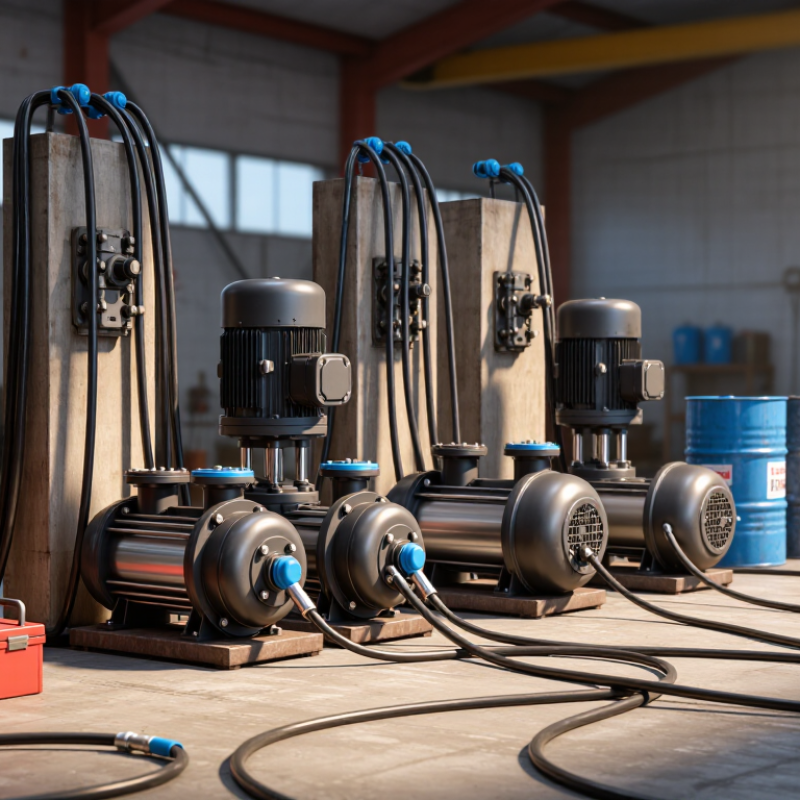
A pneumatic oil pump uses compressed air to move oil without placing an electric motor directly beside the fluid. Air enters a chamber and pushes a piston or flexible diaphragm. The piston draws oil through an inlet valve, then forces it through an outlet valve. Air enters. Oil moves. Repeated cycles create steady transfer pressure.
The best pneumatic pump for oil in 2026 depends on viscosity, flow rate, container size, and required pressure. Thin hydraulic oil may need a different pump than heavy gear oil. A high-ratio pump can generate stronger pressure, but it may use more compressed air. A lower-ratio model can be more economical for routine drum transfer. In practical testing, I would check the actual delivery rate with the intended hose, because catalog figures often assume ideal conditions.
Material compatibility matters. Seals must resist the oil, while the body should tolerate continuous pressure and workshop wear. A built-in regulator helps control output and reduces sudden surges. The air compressor still consumes energy, so pneumatic does not mean cost-free. That detail is often missed. I would also inspect moisture in the air line, since water can contaminate clean oil and damage internal parts. For reliable service, measure noise, air consumption, priming behavior, and shutdown performance before choosing a pump.
For oil transfer in 2026, the best pneumatic pump is not simply the fastest model. It must match the oil’s viscosity, temperature, and required flow rate. In practical maintenance work, I check these details before comparing advertised performance. A pump rated for thin hydraulic oil may struggle with heavy gear oil. That mistake creates heat, noise, and slow filling.
Air consumption matters during long transfer cycles. Choose a pump that operates steadily within your available air pressure range. A built-in regulator can improve control, especially when containers have different sizes. Durable seals are equally important. They should resist swelling, hardening, and leakage after repeated contact with petroleum-based fluids. Stainless steel or treated internal parts can improve corrosion resistance, but material compatibility still needs verification. It is easy to overlook this.
Look for a clear flow-control method and a reliable shutoff system. These features help prevent overflowing tanks and reduce wasted oil. A strainer can protect the pump from metal particles, while an easy-access filter simplifies maintenance. For mobile work, balanced weight and a short, flexible hose reduce handling fatigue. Static control and proper grounding may also matter in certain transfer environments. Always follow the oil supplier’s safety data and applicable workplace requirements.
I would also inspect noise levels and replacement-part availability. A pump can perform well yet become inconvenient when minor seals are difficult to obtain. My judgment is not absolute; real viscosity can change with cold weather. Test the pump under actual conditions before committing to large-scale use.
What Is the Best Pneumatic Pump for Oil in 2026?
The best pneumatic pump for oil in 2026 is not chosen by pressure alone. Match the pump to the oil’s viscosity, temperature, and sensitivity to shear. Thin hydraulic oil may flow well through a compact diaphragm pump. Heavy gear oil can move slowly, especially near a cold storage tank. A piston pump often gives better control for high-viscosity fluids. Keep the suction line short and wide. A narrow hose can starve the pump and create uneven delivery. That detail is easy to miss.
Check seal and wetted-part compatibility with the oil’s additives. Compatibility charts are useful, but operating temperatures can change the result. I once saw a seal appear suitable during a bench test, then soften after several hours of warm circulation. That experience changed my practice. I now compare the oil’s technical data sheet with pump materials, then test a small sample at the actual working temperature. Air consumption also matters. Excessive air pressure may increase speed, but it can cause foaming, noise, and unnecessary wear. Use a regulator, install a clean air filter, and confirm the required flow at discharge pressure. For thick oil, warming the container may help, though overheating can alter viscosity and product quality.
| Pump Design | Recommended Oil Type | Typical Viscosity Range | Typical Flow Range | Typical Discharge Pressure | Common Wetted Materials | Maximum Fluid Temperature | Metering Capability | Best-Fit Application |
|---|---|---|---|---|---|---|---|---|
| Air-Operated Double-Diaphragm Pump | Lubricating oil, gear oil, hydraulic oil, cutting oil, and contaminated oil | 1–30,000 cP | 1–1,000 L/min | Up to approximately 8 bar | Aluminum, stainless steel, polypropylene, PTFE, NBR, EPDM, or FKM | Usually 80–120°C, depending on diaphragm and seal materials | Low to moderate; pulsating output | General transfer, drum emptying, and fluids containing small solid particles |
| Air-Operated Piston Pump | Heavy gear oil, grease, assembly lubricant, and high-viscosity process oil | 1,000–100,000 cP | 0.1–80 L/min | Approximately 20–400 bar, depending on air-to-fluid ratio | Carbon steel or stainless steel, hardened steel, polyurethane, NBR, or FKM | Usually 80–150°C, subject to seal selection | Moderate to high; suitable for controlled dispensing | High-pressure dispensing, lubrication systems, and grease transfer |
| Air-Driven Gear Pump | Clean lubricating oil, hydraulic oil, transformer oil, and low-abrasion process oil | 10–10,000 cP | 0.5–250 L/min | Approximately 3–15 bar | Cast iron, stainless steel, bronze, hardened steel, PTFE, or FKM | Usually 80–150°C, depending on construction | High; relatively smooth and consistent flow | Continuous transfer where steady flow and low pulsation are important |
| Air-Driven Progressive Cavity Pump | Very viscous oil, emulsion, sludge-like oil, and oil with suspended solids | 100–100,000 cP | 0.1–300 L/min | Approximately 6–30 bar per stage configuration | Stainless steel, carbon steel, elastomer stator, nitrile, EPDM, or FKM | Often 80–120°C; elastomer temperature limits apply | High; low-pulsation metering at controlled speed | Shear-sensitive or difficult-to-pump oils requiring stable delivery |
| Air-Driven Peristaltic Pump | Contaminated oil, abrasive oil mixtures, and fluids requiring complete isolation | 1–20,000 cP | 0.01–200 L/min | Approximately 3–15 bar | Only the hose contacts the fluid; common hose materials include NBR, EPDM, and FKM | Usually 80–120°C, depending on hose material | Moderate; flow can be adjusted by air supply | Dirty or abrasive fluids, batch transfer, and applications where seal leakage must be minimized |
| Air-Driven Centrifugal Pump | Low-viscosity oil and oil-like fluids with low contamination | 1–200 cP | 20–1,500 L/min | Approximately 1–7 bar | Stainless steel, cast iron, polypropylene, ceramic, and elastomer seals | Usually 60–100°C, depending on seal and casing materials | Low; performance decreases as viscosity rises | High-volume transfer of light oils with minimal solids and low pressure requirements |
| Air-Driven Drum or Barrel Pump | Light to medium lubricating oil, hydraulic oil, and maintenance fluids | 1–5,000 cP | 5–100 L/min | Approximately 2–10 bar | Aluminum, stainless steel, polypropylene, NBR, EPDM, or FKM | Usually 60–100°C, depending on tube and seal materials | Moderate; generally intended for transfer rather than precision dosing | Portable oil transfer from drums, totes, and small storage containers |
For oil transfer in 2026, the best pneumatic pump depends on viscosity, distance, and contamination risk.
An air-operated double-diaphragm pump suits drums, tanks, and used-oil recovery. Its air motor tolerates intermittent operation and can handle suspended particles. It also runs dry more safely than many electric alternatives.
However, pulsation can disturb precise filling. A small pulsation dampener may be necessary.
Air-operated piston pumps fit thicker lubricants and longer delivery lines. Their steady pressure helps with grease, gear oil, and hydraulic oil dispensing. Use a lower air-to-oil pressure ratio for controlled flow.
Barrel-style pneumatic pumps are practical for clean oils in workshops. They are compact, but their intake tubes can struggle when sludge settles at the container bottom.
The U.S. Department of Energy reports that compressed-air leaks can waste 20% to 30% of compressor output. That makes air preparation and leak testing essential. The International Energy Agency’s Oil 2024 report estimated global oil demand at about 103 million barrels per day in 2024, supporting continued demand for reliable transfer equipment.
Yet higher demand does not justify oversizing a pump. A field technician should check viscosity at actual operating temperature, not only at room temperature. I have seen pumps selected correctly on paper but fail during cold starts. That detail is easy to miss. Flow meters, filters, grounded hoses, and corrosion-resistant wetted parts further improve reliability, although each added component increases maintenance points.
What Is the Best Pneumatic Pump for Oil in 2026?
The best pneumatic oil pump depends on viscosity, flow, duty cycle, and workplace risk. An air-operated diaphragm pump can handle changing oil conditions and start under load. However, its pulsation may complicate metering. A smooth rotary pump may deliver better control, but seals require closer inspection. Safety begins with grounded hoses, suitable fittings, pressure relief, and compatible materials. ISO 4414 stresses risk reduction in pneumatic systems, while NFPA 30 highlights controls for flammable liquids. These standards do not choose the pump for you. They shape a safer decision.
Maintenance separates a cheap purchase from long-term value. Check diaphragm wear, valve seats, air leaks, and oil contamination during routine service. The U.S. Department of Energy reports that compressed air commonly represents about 10% of industrial electricity use. It also describes compressed air as one of the most expensive utilities per unit of delivered energy. A pump with lower air consumption may cost more initially, yet reduce operating expense over years. Still, published efficiency figures can be difficult to compare. Test real flow at your actual oil temperature.
Tips: Record litres per minute, air pressure, oil viscosity, and daily operating hours. Compare total cost over five years. Keep spare seals available. Do not ignore noise, pulsation, or difficult cleaning; operators notice these problems first. My practical mistake was judging only purchase price. That shortcut looked efficient, but service downtime changed the calculation.
Comparison of common pneumatic oil-pump categories using practical selection factors: safety, maintenance simplicity, purchase cost, and long-term value. Higher scores indicate a more favorable result for general oil-transfer applications.
The scores are a non-brand benchmark on a 1–10 scale based on typical operating characteristics: air-operated diaphragm pumps prioritize containment and versatility, piston pumps typically offer efficient metering and lower maintenance complexity, while pneumatic drum pumps emphasize low initial cost and portability. Actual results depend on viscosity, flow rate, pressure, duty cycle, air quality, and installation conditions.