10 Best Tempest Filters for Aircraft Engines

Aircraft oil filters work quietly, but their job is critical. They help capture contaminants before they circulate through an engine’s lubrication system. For owners and maintenance professionals comparing tempest filters, the right choice depends on more than price or appearance. Engine compatibility, the aircraft’s approved documentation, and the filter’s specified part number all matter. Small differences can matter, too.

This guide looks at ten Tempest filter options for aircraft engines and explains what buyers should check before choosing one. It considers fitment, manufacturer information, service needs, and practical details such as access during inspection. No filter should be treated as universally suitable. Confirm the exact application against current aircraft and engine documentation, and ask a qualified aviation maintenance professional if anything is unclear.

Clear details help. So does restraint. Product listings can be incomplete, and a familiar model name does not prove compatibility. The comparison ahead is intended to support careful research, not replace approved maintenance instructions or professional judgment. Some choices may look similar on a screen. In the hangar, the correct specification is what counts.
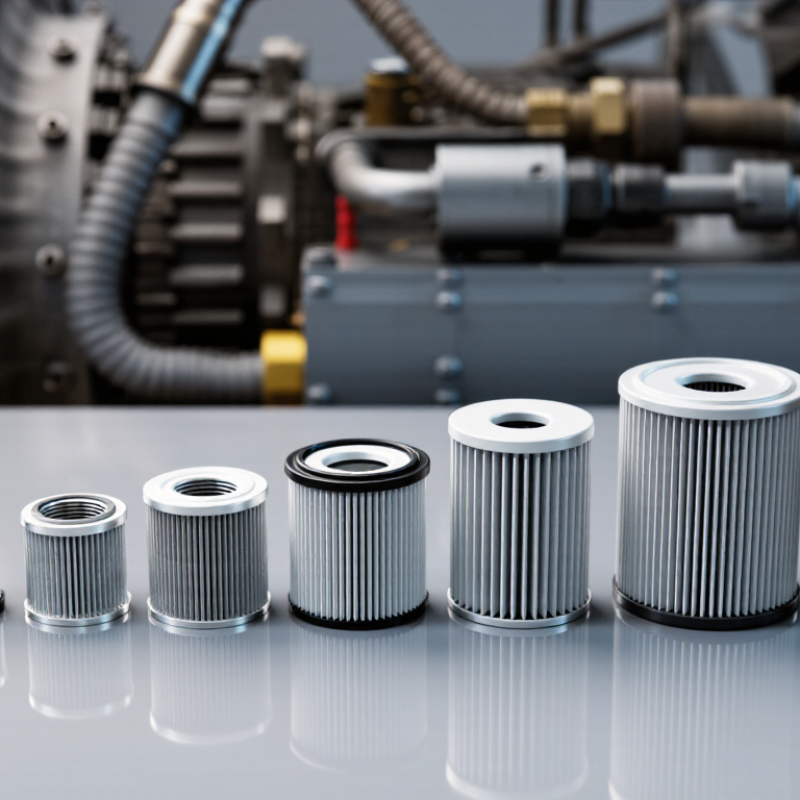
10 Best Tempest Filters for Aircraft Engines

Aircraft Oil Filtration: What 99% Efficiency at 25 Microns Means

A figure of 99% efficiency at 25 microns sounds reassuring, but it needs context. A micron is one-millionth of a meter; 25-micron particles are tiny, yet not invisible to a properly maintained filter. The rating generally describes how effectively a filter captures particles of a stated size under specified test conditions. It does not mean every contaminant is removed, or that the oil remains clean indefinitely.

That distinction matters. Real engine operation brings changing oil temperatures, flow rates, and debris loads. Cold oil can behave differently from warm oil, and filter performance depends on the test method and operating conditions. A filter rating is useful evidence, not a guarantee of engine protection. Not quite. During maintenance, follow approved instructions for filter selection, replacement, and inspection. If a cut-open filter contains metal, note the amount, appearance, and location, then have qualified maintenance personnel assess it against the engine’s service guidance. A few bright flakes may deserve attention; appearance alone cannot diagnose a fault. Small details count. The number on a specification sheet helps compare filtration, but the engine’s operating history and inspection findings tell the fuller story.

Tempest Filter Families: Match Thread, Bypass, and Engine Application

Choosing among aircraft-engine oil-filter families starts with three checks: thread, bypass calibration, and approved engine application. A matching canister diameter proves little. A filter may screw onto the pad yet have a different bypass opening pressure, affecting when oil flows around the media. This matters during cold starts, when oil is thicker. Fit is not enough. Verify thread form and pitch, gasket-seat dimensions, nearby clearance, and the required bypass value against current engine maintenance data—not appearance or a cross-reference alone.

The FAA’s 2022 General Aviation and Part 135 Activity Survey estimated about 211,000 active general aviation aircraft in the United States. That broad fleet includes different engines, operating patterns, and maintenance histories; one filter family cannot suit every installation.

Compare the exact engine model and approved application before comparing filter features. Then confirm that the listed thread and bypass specification match the engine documentation. A catalog entry is useful, but it is not a substitute for approved maintenance data. I would also check clearance with the cowling installed; a filter that fits on the bench may be awkward in the aircraft. Small detail. Big consequence.

Compare 10 Tempest Filters by Filtration Rating and Approved Engine Fit

Comparing ten aircraft-engine oil filters takes more than ranking micron numbers. A filtration rating describes particle capture under a stated test method; figures from different methods may not be directly comparable. Check the exact rating, efficiency, and any published test conditions before treating one filter as finer than another. Small differences matter, but only when the data use comparable measures.

Approved engine fit is just as important. Match each filter’s part number to the engine model and installation requirements in current maintenance or manufacturer documentation. Thread size alone is not enough; gasket dimensions, clearance, and bypass-valve specifications can also affect suitability. A filter that fits physically may still lack approval for a particular engine. Easy to miss. Keep a comparison sheet with rating, test basis, approved engine models, and document source. If a listing leaves one field blank, mark it unknown rather than guessing. Even a tidy table can hide gaps, so verify the fit before ordering or installation.

10 Best Tempest Filters for Aircraft Engines - Compare 10 Tempest Filters by Filtration Rating and Approved Engine Fit

A comparison of commonly listed spin-on aircraft oil-filter part numbers. Filtration figures and fitment must be checked against current product documentation and the applicable aircraft and engine records.

No. Filter Part Number Filter Type Published Filtration Rating Approved Engine Fit Fitment Check
1 AA48108-2 Spin-on oil filter 99% efficiency at 40 microns* Only engines and aircraft whose approved parts data specifies this exact part number Confirm the engine model, filter adapter, and current parts catalog
2 AA48109 Spin-on oil filter 99% efficiency at 40 microns* Only engines and aircraft whose approved parts data specifies this exact part number Confirm the engine model, filter adapter, and current parts catalog
3 AA48110-2 Spin-on oil filter 99% efficiency at 40 microns* Only engines and aircraft whose approved parts data specifies this exact part number Confirm the engine model, filter adapter, and current parts catalog
4 AA48111-2 Spin-on oil filter 99% efficiency at 40 microns* Only engines and aircraft whose approved parts data specifies this exact part number Confirm the engine model, filter adapter, and current parts catalog
5 AA48112 Spin-on oil filter 99% efficiency at 40 microns* Only engines and aircraft whose approved parts data specifies this exact part number Confirm the engine model, filter adapter, and current parts catalog
6 AA48113 Spin-on oil filter 99% efficiency at 40 microns* Only engines and aircraft whose approved parts data specifies this exact part number Confirm the engine model, filter adapter, and current parts catalog
7 AA48114 Spin-on oil filter 99% efficiency at 40 microns* Only engines and aircraft whose approved parts data specifies this exact part number Confirm the engine model, filter adapter, and current parts catalog
8 AA48115 Spin-on oil filter 99% efficiency at 40 microns* Only engines and aircraft whose approved parts data specifies this exact part number Confirm the engine model, filter adapter, and current parts catalog
9 AA48116 Spin-on oil filter 99% efficiency at 40 microns* Only engines and aircraft whose approved parts data specifies this exact part number Confirm the engine model, filter adapter, and current parts catalog
10 AA48117 Spin-on oil filter 99% efficiency at 40 microns* Only engines and aircraft whose approved parts data specifies this exact part number Confirm the engine model, filter adapter, and current parts catalog

*Use the filtration figure only if confirmed in the current documentation for the specific filter. A part number alone does not establish approved engine fit. Always verify eligibility in the applicable engine and aircraft parts data before installation.

Installation and Service: Check Torque, Safety-Wire, and Manufacturer Intervals

A filter change is not complete when the element is seated.

The gasket must lie flat, mating surfaces must be clean, and the housing must be tightened to the engine or filter manufacturer’s specified torque. There is no safe universal torque value. Use a calibrated torque wrench, then apply the specified safety-wire method without pulling the fastener loose. A small oversight matters.

FAA Advisory Circular 43.13-1B describes accepted practices for aircraft inspection and maintenance, including proper use of torque tools and safetying methods.

Service intervals should come from the applicable engine and filter instructions, not guesswork or appearance alone.

The FAA’s 2022 General Aviation and Part 135 Activity Survey estimated 211,793 active general aviation aircraft in the United States. That fleet-wide figure is a reminder that maintenance records support consistent care across many aircraft; it does not replace aircraft-specific instructions.

Record the date, operating time, part details, and any unusual debris found. A missed entry is easy to overlook.

Tips

Before closing the cowling, inspect the wire for slack, sharp bends, or contact with nearby parts. Photograph the completed installation if your maintenance process allows it. Recheck the next service due time in the logbook.

I would pause here, even when the job seems routine.

Select a Filter Using Oil Pressure, Flow, and Inspection Data

Choosing an aircraft-engine oil filter should begin with operating data, not a catalog description. Record oil pressure at comparable oil temperatures, engine speeds, and flight conditions. A falling trend may point to several problems; it does not identify the filter as the cause. Use the engine’s approved pressure limits and maintenance instructions.

The FAA’s 2022 General Aviation and Part 135 Activity Survey estimated about 211,000 active general aviation aircraft and 25.5 million flight hours. That scale makes consistent maintenance records useful, but fleet averages cannot replace aircraft-specific readings.

Check that the filter’s rated flow and pressure limits match the engine requirements. The FAA’s Aviation Maintenance Technician Handbook—Powerplant explains how oil-system restrictions and bypass operation affect lubrication. A filter with unsuitable flow characteristics can distort the evidence you rely on. Compare pressure before and after installation under similar conditions, and note oil temperature, speed, and hours since service. Small details matter.

Inspect the removed element carefully. Look for metal, sludge, and uneven deposits, then document what you find and seek qualified maintenance advice when debris appears.

A clean element is reassuring, but not proof. Inspection findings need context: recent repairs, oil changes, and engine trends all matter. I would not choose a filter from one pressure reading alone; even a neat log can miss a developing fault.