Why Choose a Fluid Pump for Your Industrial Applications?
In today's industrial landscape, the importance of choosing the right equipment cannot be understated. Fluid pumps play a crucial role in various applications, from chemical processing to food production. As industry expert John Smith states, “A reliable fluid pump can significantly enhance operational efficiency."
Selecting a fluid pump requires careful consideration of factors like fluid type, pressure needs, and maintenance. Many companies overlook these details, leading to inefficiencies. A poorly chosen pump can result in downtime and increased costs.
When examining options, visualize how a fluid pump integrates with your system. Think about its impact on overall productivity. The right choice can mean better output and less waste. However, not all pumps are created equal. Sometimes, users may find their initial choices lack the performance expected, prompting reflection on their decision-making process. This highlights the need for thorough research and understanding of fluid dynamics in your operations.
Understanding the Basics of Fluid Pumps in Industrial Settings
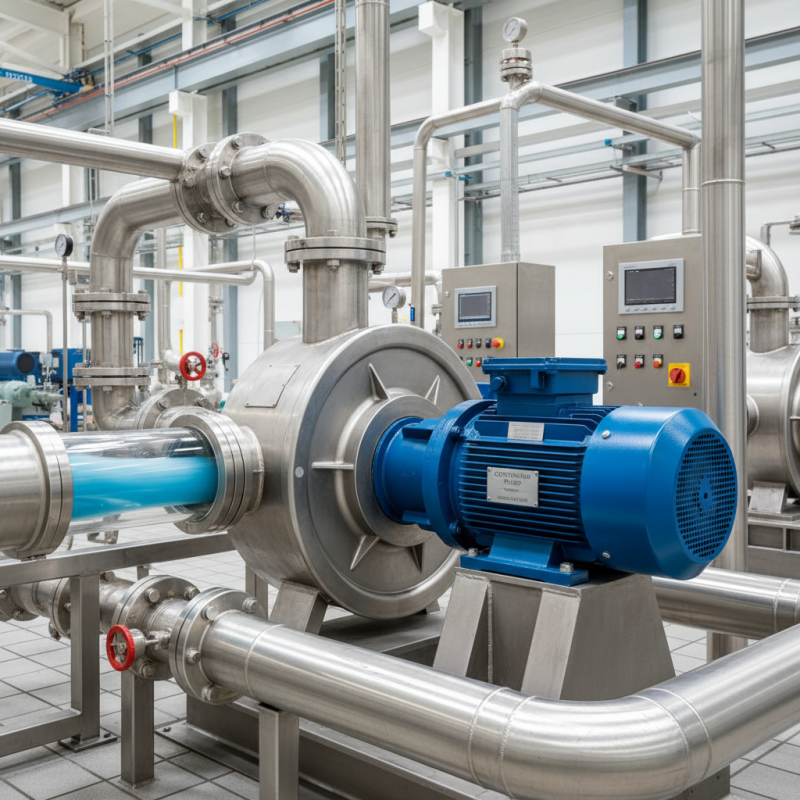
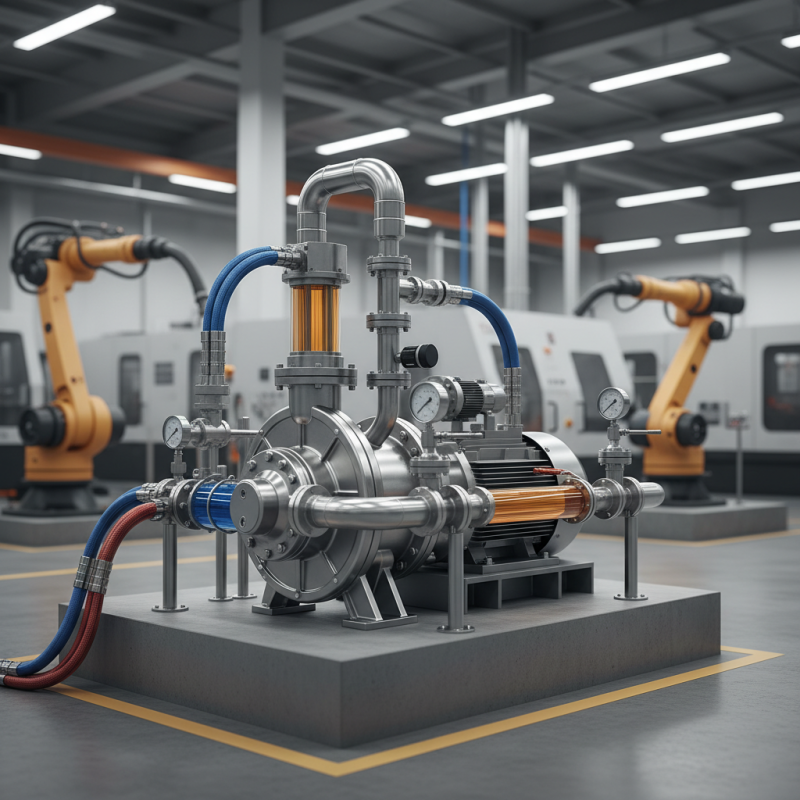
Fluid pumps are essential in various industrial applications. Understanding their function helps in making informed choices. These devices transport liquids from one location to another. They can handle different types of fluids, including water, oil, and chemicals.
In industrial settings, the right pump can significantly affect efficiency. Different industries may require different specifications. For instance, a food processing plant needs hygienic pumps. A chemical plant, however, may prioritize durability and resistance to corrosive substances. Each choice reflects specific needs and challenges.
Choosing a pump is not always straightforward. Some may underestimate the importance of compatibility and maintenance. A pump that works for one application might not suit another. This calls for careful evaluation and sometimes, trial and error. Understanding the basics helps avoid costly mistakes.
Key Benefits of Using Fluid Pumps for Various Applications
Fluid pumps are essential in industrial applications due to their efficiency and versatility. They can handle various fluids, from water to more viscous substances. According to recent industry reports, the global fluid pump market is projected to reach $60 billion by 2027. This growth highlights the increasing reliance on fluid pumps across sectors like manufacturing, pharmaceuticals, and food processing.
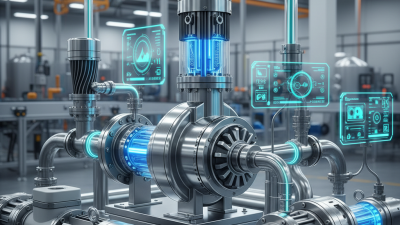
One significant benefit of fluid pumps is their ability to reduce operating costs. By efficiently transferring fluids, they minimize waste and energy consumption. Studies show that pumps can achieve energy savings of up to 30% compared to traditional methods. Moreover, modern fluid pumps often include advanced technology for better monitoring and control. This leads to improved precision in dosing and fluid delivery.
However, not all fluid pumps are created equal. Some may underperform or require frequent maintenance. This can lead to unexpected downtime and increased costs. Businesses must evaluate their specific needs before investing in a pump system. Understanding the unique characteristics of various pumping solutions is crucial to avoid oversights. Some applications may benefit from simpler designs, while others require more complex systems for optimal performance.
Key Benefits of Using Fluid Pumps for Industrial Applications
This chart illustrates the key benefits of using fluid pumps in industrial applications, ranked based on a score from 1 to 10. These benefits include efficiency, cost savings, versatility, safety, and maintenance requirements, highlighting the importance of selecting fluid pumps for various industrial needs.
Types of Fluid Pumps and Their Specific Industrial Uses
Fluid pumps are essential in various industrial sectors, each designed for specific tasks.
Centrifugal pumps are commonly used for transporting water and other light fluids. Their efficient design allows for high flow rates.
They work well in applications like irrigation and water treatment plants.
However, they are not suitable for viscous fluids. In such cases, another option is needed.
Positive displacement pumps excel in handling thick or viscous fluids.
They move a fixed volume of liquid, making them ideal for applications in the food industry.
They help in transferring oils, syrups, and even sludge. However, they can create excessive pressure, leading to potential issues.
Users need to monitor their operation closely.
Diaphragm pumps are versatile, suitable for both clean and contaminated fluids.
Their design minimizes leakage, enhancing safety in hazardous environments. This type is often found in chemical processing plants.
Yet, maintenance can be challenging. Regular checks are essential to ensure optimal performance.
Choosing the right pump improves efficiency but requires careful consideration of each application’s needs.
Factors to Consider When Selecting a Fluid Pump
Choosing the right fluid pump is crucial for industrial applications. Several factors come into play when making this decision. The pump's type should match your fluid's nature. Consider viscosity, temperature, and chemical compatibility. Each fluid presents unique challenges. Make sure the pump can handle the specific requirements.
Another aspect is the pump's capacity. You will need to determine the flow rate required for your operations. If the flow rate is too low or too high, it could cause inefficiencies. Additionally, assess the power requirements. A pump that consumes too much energy becomes a liability over time. Efficiency is key.
Durability is also important. The materials used in the pump's construction should withstand your working environment. Harsh conditions can lead to breakdowns, increasing operational costs. Regular maintenance is necessary, yet often overlooked. Proper care extends lifespan but requires effort and reflection on your processes. Evaluate what works and what doesn’t.
Maintenance and Efficiency Tips for Optimal Pump Performance
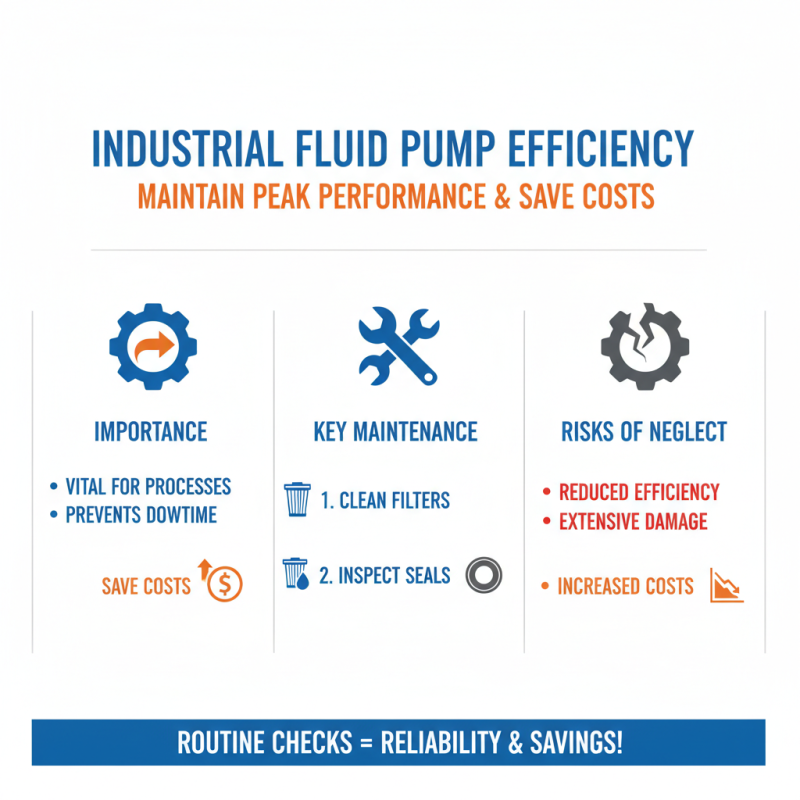
In industrial settings, fluid pumps are vital. They ensure smooth operation across various processes. However, maintaining pump efficiency is often overlooked. Regular checks can save significant costs. Clean filters and inspect seals routinely. Neglecting these tasks can lead to more extensive damage.
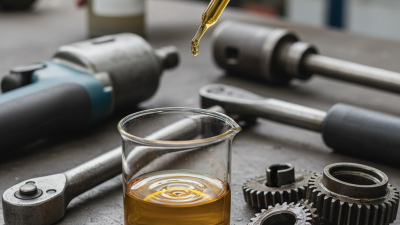
Monitoring pump performance is crucial. Use gauges to track pressure and flow rates. This data helps identify issues early. Additionally, lubricating moving parts can enhance efficiency. However, over-lubrication might cause problems. It’s essential to find the right balance for optimal operation.
Another aspect to consider is the pump's environment. Dust and contaminants can hinder performance. Ensure that the pump is installed in a clean area. Yet, not all setups allow for perfect conditions. Addressing these challenges is part of maintaining a successful system. Frequent assessments and adjustments can make a significant difference in performance.