How to Choose the Right Air Filter Products for Your Home
Choosing the right air filter products for your home is essential for maintaining a healthy living environment and improving indoor air quality. With a wide variety of options available on the market, it can be overwhelming to determine which type of air filter is best suited for your specific needs.
Factors such as filter efficiency, the size of your home's air handling system, and any specific allergens or pollutants present in your home should all be considered when making this decision.
Additionally, understanding the different types of air filter products, from HEPA filters to activated carbon, can greatly impact your home's air quality and overall comfort.
This guide aims to provide you with the necessary knowledge to navigate the options and choose the right air filter products that will effectively reduce airborne contaminants and enhance your living space.
Understanding the Different Types of Air Filters Available for Home Use
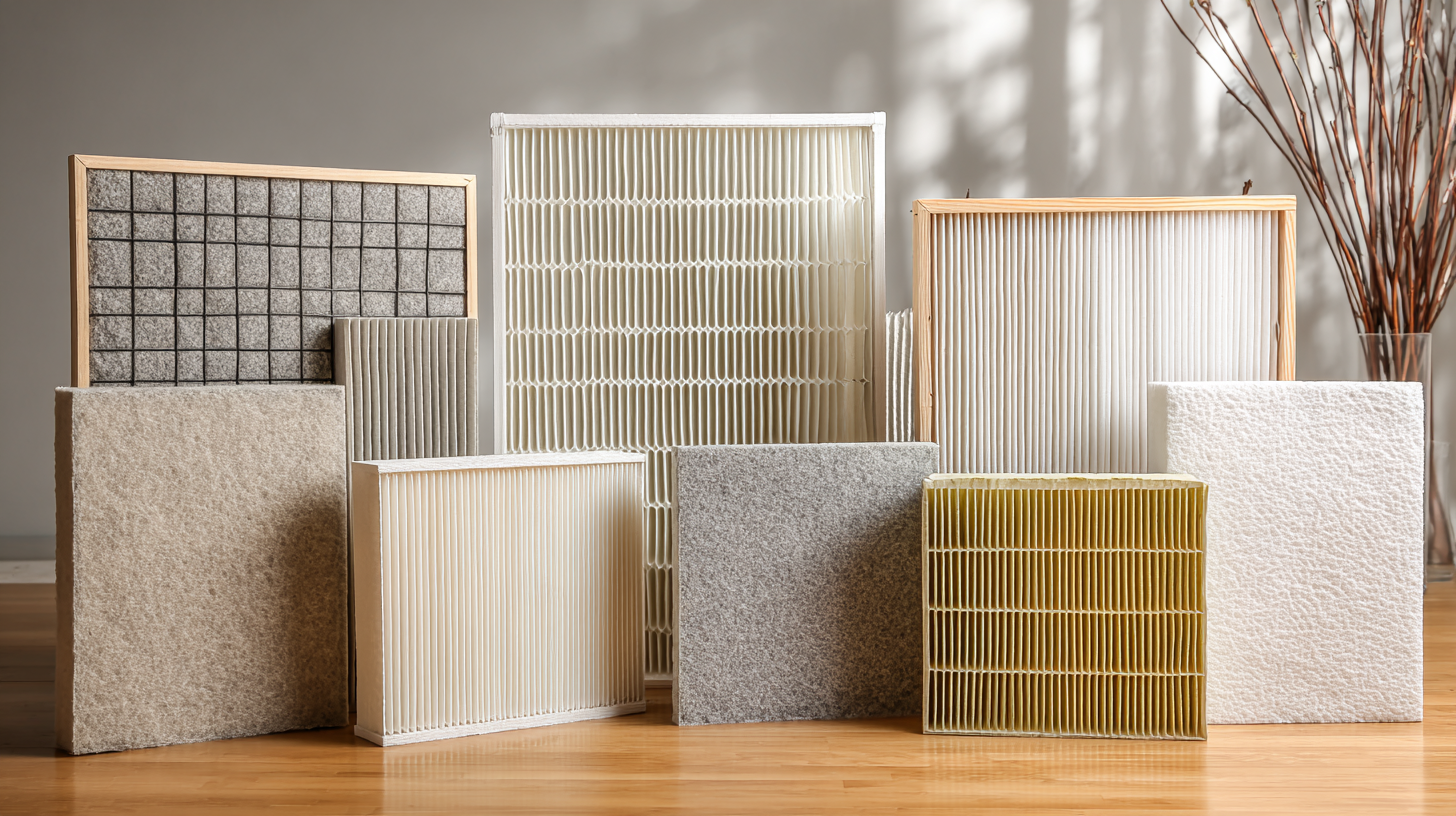
When selecting the right air filters for your home, it’s essential to understand the different types available. The most common filters include HEPA filters, activated carbon filters, and electrostatic filters. HEPA filters are designed to trap 99.97% of particles that are 0.3 microns and larger, making them ideal for allergy sufferers. Activated carbon filters, on the other hand, excel at removing odors and chemicals from the air, thanks to their adsorption properties. Electrostatic filters utilize static electricity to attract and capture particles, and they can be washable and reusable, which is a great eco-friendly option.
**Tips:** When choosing an air filter, consider the specific needs of your household. For instance, if you have pets or suffer from allergies, a HEPA filter might be the best choice. Always check the MERV (Minimum Efficiency Reporting Value) rating; filters with a higher MERV rating will be more efficient at capturing small particles. Additionally, remember to change or clean your filters regularly to maintain optimal air quality in your home.
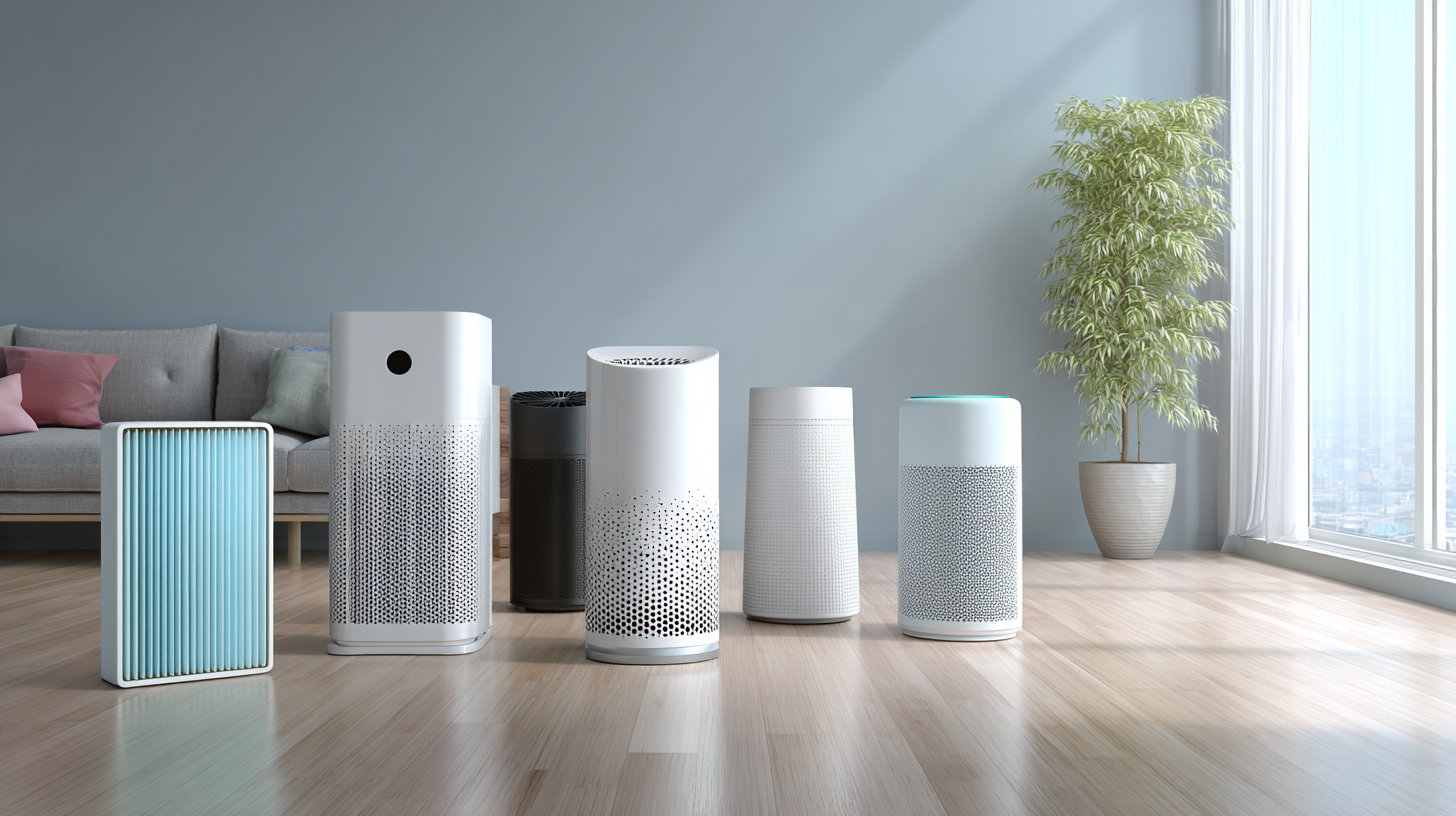
Key Factors to Consider When Selecting Air Filters for Your Home
When selecting air filters for your home, several key factors come into play that can significantly affect both the air quality and your HVAC system's efficiency. Firstly, it is crucial to consider the MERV rating of the air filter. The Minimum Efficiency Reporting Value (MERV) measures the filter's ability to capture particles; a higher MERV rating means better filtration of dust, pollen, pet dander, and mold spores. However, it's important to balance high MERV ratings with your HVAC system's capabilities, as some systems may not function optimally with filters that are too dense.
Another essential factor is the specific needs of your household. For families with pets or individuals prone to allergies, opting for filters designed to trap a larger share of allergens and pet dander can be beneficial. Additionally, consider the filter type; HEPA filters are highly effective for allergy sufferers, while activated carbon filters can help reduce odors. Lastly, pay attention to the recommended replacement frequency, as regular maintenance of your air filters is vital for sustained performance and ensuring a healthy indoor environment.
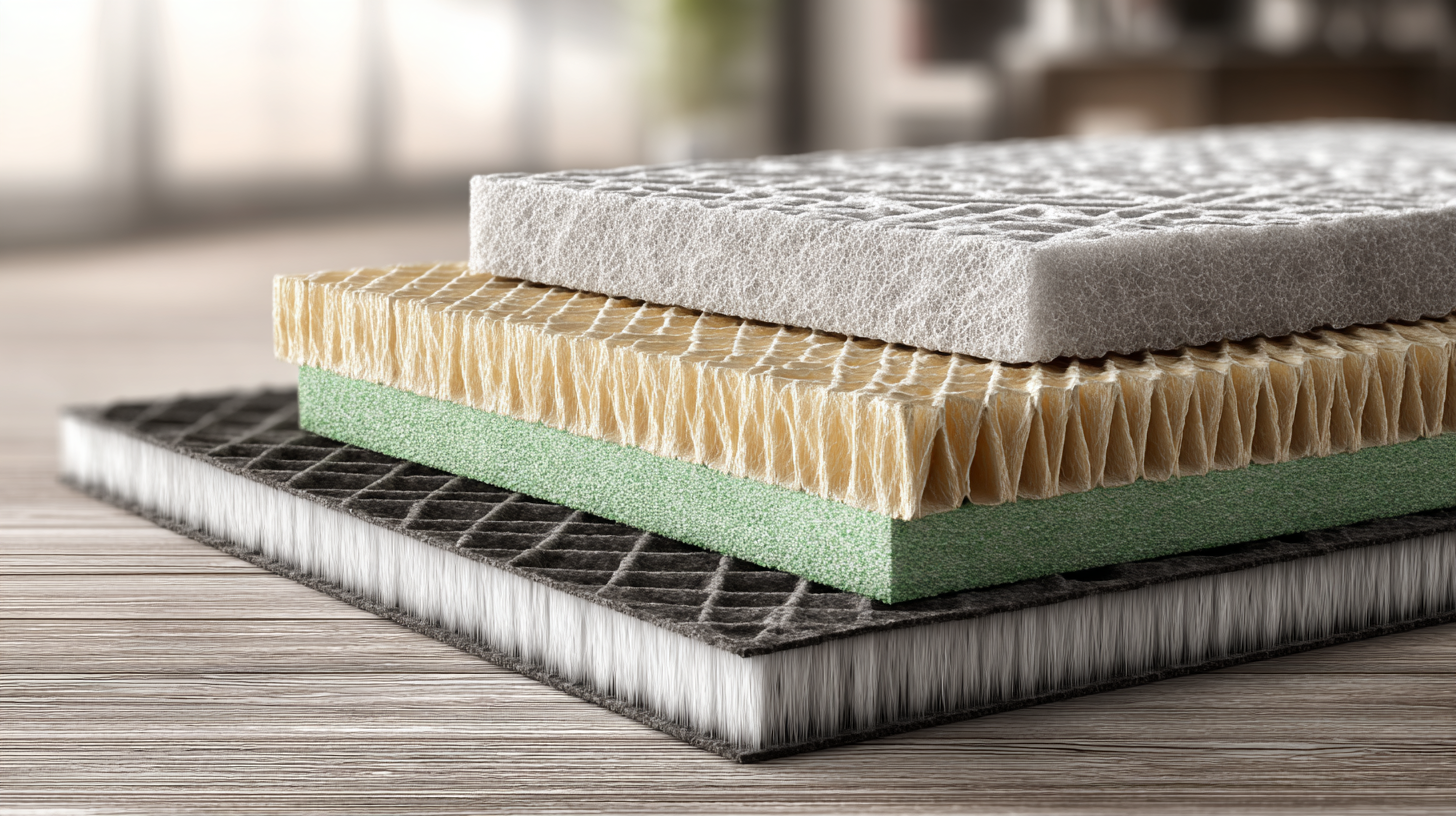
Comparing HEPA, Activated Carbon, and Electrostatic Air Filters
When it comes to selecting an air filter for your home, understanding the differences between HEPA, activated carbon, and electrostatic air filters is crucial. HEPA filters, known for their efficiency, can trap at least 99.97% of particles as small as 0.3 microns, making them ideal for removing allergens such as pollen, dust mites, and pet dander. According to a report by the U.S. Environmental Protection Agency (EPA), using a HEPA filter can significantly lower indoor allergen levels, benefiting those suffering from respiratory conditions like asthma.
On the other hand, activated carbon filters excel in eliminating odors and volatile organic compounds (VOCs). They work through adsorption, where pollutants adhere to the surface of the carbon material. Recent studies indicate that homes equipped with activated carbon filters can reduce indoor air pollutants by up to 50%, thus improving overall air quality. This makes them particularly effective in kitchens or areas prone to strong smells.
Electrostatic air filters, which use static electricity to capture particles, present another effective option. They can capture larger particles similar to HEPA filters but may not perform as well with smaller allergens. According to the American Lung Association, maintaining a clean environment through the appropriate use of air filters plays a significant role in promoting respiratory health, thereby underscoring the importance of selecting the right filter based on specific needs.
The Importance of Filter MERV Ratings in Indoor Air Quality
When selecting air filter products for your home, understanding MERV (Minimum Efficiency Reporting Value) ratings is crucial for ensuring optimal indoor air quality. MERV ratings range from 1 to 16, with higher numbers signifying greater efficiency in capturing airborne particles. Filters with a MERV rating of 5 to 8 are suitable for general household use, as they effectively trap dust, pollen, and pet dander. However, for homes with allergies or respiratory issues, opting for filters rated 9 to 12 is advisable, as they can significantly improve air quality by removing finer particles and allergens.
In addition to efficiency, it is important to consider the balance between filtration and airflow. High-MERV filters may restrict airflow, potentially stressing your HVAC system. Therefore, it is essential to choose a filter that not only meets your air quality needs but also allows for adequate ventilation. Regularly replacing your air filters is another critical step in maintaining good air quality, as clogged filters can lead to increased pollutant levels and decreased system performance. By prioritizing MERV ratings and airflow compatibility, you can ensure a healthier living environment for you and your family.
How to Choose the Right Air Filter Products for Your Home - The Importance of Filter MERV Ratings in Indoor Air Quality
| Filter Type |
MERV Rating |
Particles Captured |
Recommended Usage |
| Fiberglass Filters |
MERV 1-4 |
Dust, lint |
Residential HVAC systems |
| Pleated Filters |
MERV 5-8 |
Mold spores, pollen |
Residential and light commercial |
| Electrostatic Filters |
MERV 8-12 |
Dust, smoke, pet dander |
Homes with pets or allergies |
| HEPA Filters |
MERV 13-16 |
Bacteria, viruses, fine dust |
Allergy sufferers, hospitals |
| Carbon Filters |
MERV 8-11 |
Odors, volatile organic compounds |
Homes with smoke or strong odors |
Maintenance and Longevity: How to Maximize Your Air Filter's Efficiency
Maintaining your air filter is crucial for maximizing its efficiency and prolonging its lifespan. According to the U.S. Environmental Protection Agency (EPA), air filters should be replaced or cleaned regularly to maintain optimum airflow and air quality. In residential settings, it is recommended to check disposable filters every month and replace them at least every three months. However, homes with pets or allergy sufferers may require more frequent changes, as the accumulation of dust and allergens can lead to decreased performance and respiratory issues.
Furthermore, investing in high-efficiency particulate air (HEPA) filters can significantly enhance indoor air quality. A report by the American Society of Heating, Refrigerating and Air-Conditioning Engineers (ASHRAE) states that HEPA filters can capture up to 99.97% of particles as small as 0.3 microns. By choosing a filter with a higher MERV rating, homeowners can ensure they are effectively trapping pollutants. Regular maintenance, including dusting around the filter area and ensuring the filter fits properly, will also help in preventing leaks, which can allow unfiltered air to enter your home.
Air Filter Efficiency Over Time
This chart illustrates the decline in air filter efficiency over a six-month period. Regular maintenance and timely replacement are essential to ensure optimal performance.