2025 How to Choose the Right Air Tool Oil for Optimal Performance
The selection of the appropriate air tool oil is crucial for maintaining the performance and longevity of pneumatic tools. According to a report by the National Association of Manufacturers, improper lubrication can lead to decreased efficiency and increased operational costs, with potentially more than 30% of pneumatic tool failures attributed to inadequate maintenance practices. Selecting the right air tool oil not only enhances the performance of tools but also minimizes wear and tear, ensuring that investments in equipment yield optimal returns.
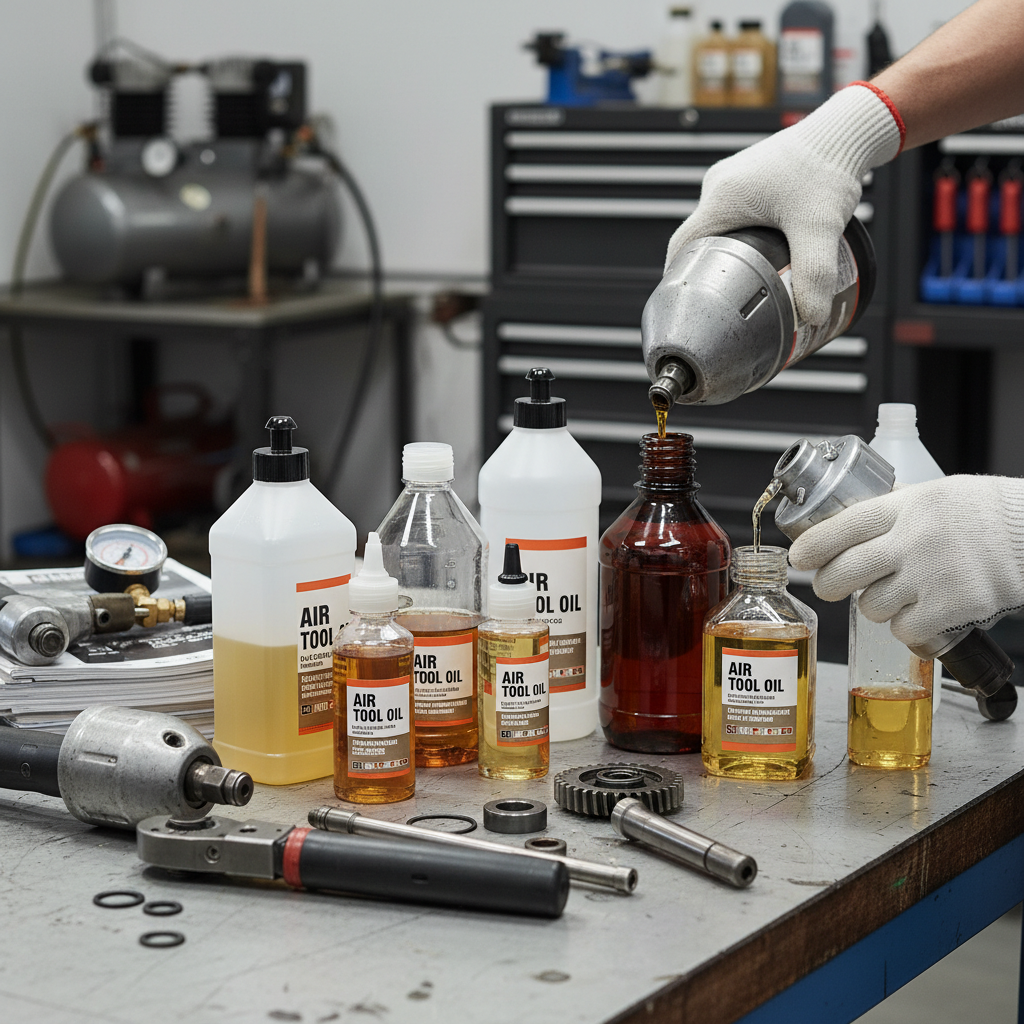
In recent years, advances in lubrication technology have underscored the importance of using specialized air tool oil designed to meet the specific demands of pneumatic systems. Industry standards, such as those from the American National Standards Institute (ANSI), recommend using oil that provides sufficient viscosity to withstand high pressure and temperature variations commonly encountered during operation. By adhering to these guidelines and using the correct air tool oil, professionals can improve tool efficiency, decrease downtime, and ultimately enhance productivity within their operations. Understanding the nuances of different oil formulations is therefore essential for anyone looking to achieve the highest levels of operational integrity in their air-powered tools.
Understanding the Importance of Air Tool Oil for Performance
The importance of air tool oil cannot be overstated when it comes to ensuring the optimal performance of pneumatic tools. Air tools operate under high pressure, and without proper lubrication, the internal components can wear down quickly, leading to decreased efficiency and increased maintenance costs. Air tool oil helps reduce friction, dissipates heat, and prevents rust, ultimately extending the lifespan of the tools and enhancing their performance.
Choosing the right air tool oil is essential for achieving the best results. Various types of oils are available, each formulated to cater to different tool requirements and operating conditions. For example, some oils are specifically designed for high-temperature applications or for tools that will be used in humid environments. Understanding these specifications can help users select the appropriate oil, ensuring that their tools operate smoothly and efficiently while minimizing the risk of breakdowns.
2025 How to Choose the Right Air Tool Oil for Optimal Performance
Key Factors to Consider When Choosing Air Tool Oil
Choosing the right air tool oil is critical for ensuring optimal performance and longevity of your air tools. When selecting air tool oil, there are several key factors to consider. First, it's essential to look at the viscosity of the oil. Oils with the appropriate viscosity ensure smooth operation and provide adequate lubrication, preventing wear and tear. Light oils are suitable for high-speed tools, while heavier oils are better for tools subjected to more stress.
Another significant factor to consider is the composition of the oil. Synthetic oils can provide superior protection and performance compared to mineral oils, particularly in extreme temperatures or demanding applications. Additionally, the presence of anti-wear additives can further enhance the protection of your tools.
Tips: Always check your air tool’s manufacturer recommendations for oil types and specifications. Using the correct oil can prevent damage and help maintain the efficiency of your tools. Moreover, pay attention to the environment in which you operate your tools; high humidity conditions may require oil with specific moisture-resistant properties to prevent rust and corrosion. Keeping these factors in mind can greatly enhance the performance and lifespan of your air tools.
Types of Air Tool Oil and Their Applications
When selecting the right air tool oil, understanding the different types available and their specific applications is crucial for optimal performance.
Mineral oil is one of the most common types, well-suited for general-purpose air tools. This oil helps to lubricate and protect against corrosion, but users should ensure it is compatible with their tools to avoid any damage.
Synthetic oils are another excellent option, offering superior lubrication at extreme temperatures and conditions. These oils tend to last longer and provide better protection compared to mineral oils, making them ideal for high-performance air tools used in demanding environments.
Additionally, some air tool oils are specifically formulated to tackle moisture issues, which can significantly affect tool performance.
These oils often contain additives that help displace water, reducing the risk of rust and internal corrosion.
Choosing a lightweight oil is advisable for tools like nailers and spray guns, as it allows for faster dispersion and better operation.
Understanding these types and their corresponding applications will enable users to select the most suitable oil for their air tools, ultimately enhancing efficiency and prolonging tool life.
How to Properly Maintain Air Tools with Oil
Proper maintenance of air tools is crucial for their optimal performance and longevity. One key aspect of this maintenance involves selecting the right air tool oil. The quality of the oil directly impacts the functionality of the air tools, aiding in smooth operations while preventing wear and tear. The right oil reduces friction, helps in effective lubrication, and protects components from corrosion, ultimately leading to improved efficiency.
To maintain air tools effectively, regular oil changes and proper cleaning are essential. Tools should be inspected frequently for any signs of oil leakage or contamination. Using the appropriate type of oil as per the manufacturer’s recommendations is vital, as this ensures compatibility with the tool materials and prevents damage. Additionally, understanding the specific lubrication needs of different types of air tools, be it rotary, reciprocating, or screw compressors, empowers users to make informed choices for better performance and reliability.
Tips for Applying Air Tool Oil for Maximum Efficiency
When it comes to maintaining your air tools for optimal performance in 2025, using the right
air tool oil is crucial. However, applying the oil correctly can significantly enhance the
efficiency of your tools. Here are some essential tips to ensure you're getting the best out of your air tool oil.
Firstly, always consult your tool's manufacturer's guidelines to determine the appropriate type of air tool oil for your equipment.
This ensures compatibility and maximizes efficiency. When applying the oil, use a clean applicator to prevent contamination. A few drops
directly into the air inlet of your tool before operation can help maintain lubrication during use.
Additionally, it's important to frequently check and replace the air tool oil. Regular oil changes can prevent
the buildup of dirt and debris, which can lead to tool wear and decreased performance. Implementing these simple practices will not only
extend the life of your air tools but also enhance their overall functionality, allowing you to work more efficiently.