How to Choose a Top Pump Oil Supplier in China?
Choosing a top pump oil supplier in China requires more than comparing prices or browsing a polished product catalogue. The oil must suit your pump type, operating temperature, load, and maintenance schedule. A mismatch may contribute to wear, leaks, or avoidable downtime. Small details matter.
Start by describing the actual application. Share the pump model, working conditions, and required viscosity grade, then ask suppliers to explain how their product fits those needs. Request current technical data sheets and safety data sheets. For each batch, check whether a certificate of analysis is available and whether product details can be traced to its production lot. Clear answers matter more than broad claims about quality.
Look closely at consistency and service. Ask how the supplier manages blending, storage, packaging, and order inspections. If the oil will support critical equipment, discuss a sample evaluation or a controlled trial before placing a large order. Confirm container sizes, lead times, export packaging, and how technical questions are handled after delivery. A dependable supplier should explain limitations as clearly as benefits.
Even experienced buyers can overlook a practical issue, such as a drum size that complicates safe handling at the site. No checklist removes every risk, and supplier selection still involves judgment. Compare documented specifications, communication, and supply reliability—not promises alone. The right pump oil partner is one whose evidence fits your application and whose answers remain consistent from quotation to delivery.
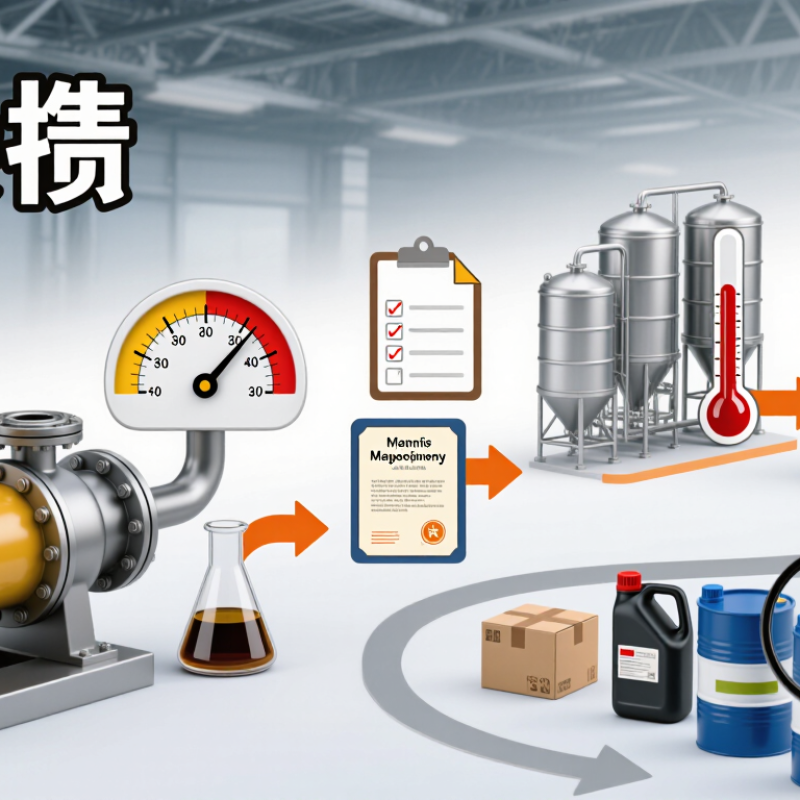
Understand the Role of Pump Oil in Pump Performance
Pump oil does more than reduce friction. In many oil-lubricated pumps, it forms a film between moving parts, helps carry away heat, and supports sealing. If the oil is too thin, metal surfaces may wear faster under load. If it is too thick, the pump can struggle during a cold start. Small changes matter.
Oil condition also affects what operators see and hear. A rising temperature, a change in operating noise, or a cloudy sample can signal contamination or incorrect oil selection. Check the pump manual for viscosity and compatibility requirements before choosing a product. Oil designed for one pump type may not suit another, even when the labels sound similar. This is easy to overlook.
When comparing pump oil suppliers in China, ask for a current technical data sheet, batch traceability, and clear guidance on storage and handling. Reliable suppliers should explain test methods and help match oil properties to the pump’s operating temperature and duty cycle. Ask how they manage consistency between batches, too. A neat document is useful, but it cannot replace correct application data or regular oil checks. The best choice depends on the pump, not just the quotation.
Identify the Required Oil Type and Technical Specifications
Before contacting a pump oil supplier in China, identify the pump’s operating conditions. Check the equipment manual for the approved oil type and viscosity grade. ISO VG 46 may suit one system, while another requires a different grade. Don’t guess from oil color or a previous purchase. Note operating temperature, start-up conditions, pressure range, and whether the pump runs continuously.
Small details matter.
Compatibility deserves equal attention. Confirm whether seals and internal materials can tolerate the oil, and ask about additives that may affect performance. For vacuum pumps, review vapor pressure and the oil’s suitability for the required vacuum level. For hydraulic systems, check viscosity stability and contamination-control needs.
A common mistake is treating viscosity as the only specification. It isn’t.
Ask the supplier for a current technical data sheet, safety data sheet, and batch documentation, then compare them with your equipment requirements. If the pump model or service history is unclear, pause and verify the details with a qualified technician. That extra check can prevent a costly mismatch.
Evaluate Supplier Experience, Certifications, and Quality Controls
How to Choose a Top Pump Oil Supplier in China?
Evaluate Supplier Experience, Certifications, and Quality Controls
Choose a supplier familiar with your pump type, operating temperature, and service conditions. Ask for examples of relevant applications, not just years in business. The U.S. Department of Energy’s Improving Pumping System Performance sourcebook reports that pumping systems can use 20–50% of electricity in some industrial facilities. This makes dependable maintenance materials important, though oil alone cannot correct an inefficient system. Paperwork alone is weak.
Check that certificates are current and cover the actual manufacturing site. The ISO Survey 2022 recorded 1,265,216 valid ISO 9001 certificates worldwide; that figure shows broad adoption, not guaranteed product quality. Request batch-level test records for viscosity, water content, and contamination, plus clear traceability from production to delivery. Compare the stated test methods with your own technical requirements. I would also review retained-sample procedures; suppliers sometimes overlook how useful these are when investigating a complaint.
Tips: Request a recent certificate of analysis and a sample from the same production batch. Ask how the supplier handles out-of-spec results, customer complaints, and changes in raw materials. Confirm lead times with a real delivery plan, not a verbal promise. A small trial order can reveal gaps in labeling, packaging, or documentation before larger purchases.
Compare Product Testing, Pricing, and Supply Capabilities
When comparing pump oil suppliers in China, ask for recent test reports tied to specific production batches.
Check viscosity at stated temperatures, water content, acidity, and contamination levels. A certificate with numbers is more useful than a broad claim of “high quality.” Ask which test methods were used, and whether an independent laboratory can verify a sample. Small detail. Keep a sealed sample for comparison when the shipment arrives.
Compare prices on equal terms.
Confirm the oil grade, packaging size, minimum order, and whether delivery costs are included. A lower price per drum may not mean lower total cost if lead times are long or freight is high. Request a written quote with validity dates and clear payment terms. Then compare the cost per usable liter, not just the headline price. I would still question unusually low offers; sometimes the missing detail is the important one.
Supply capability matters when production schedules tighten.
Ask about current stock, monthly output, typical lead time, and how the supplier handles delayed raw materials. Request a realistic shipping window rather than an optimistic promise. Check whether the supplier can keep batch records and use consistent packaging across repeat orders. These checks take time. But a small trial order can reveal packing quality, label accuracy, and how quickly questions receive useful answers.
Verify After-Sales Support and Supplier Reliability
When comparing pump oil suppliers in China, do not treat a quick quotation as proof of reliability. Ask how the supplier handles technical questions, delivery delays, and replacement parts. Get response times and support hours in writing. Small details matter.
For pump oil, request clear product specifications, safety information, and batch traceability. A knowledgeable supplier should explain viscosity grades and operating conditions without vague promises. Ask whether staff can help assess oil compatibility with your pump model. Check how warranty claims are documented and who handles them. Keep the answers.
Test the support process before placing a large order. Send a specific question, such as whether the oil suits a pump operating in a dusty workshop with frequent temperature changes. Note how quickly the team responds and whether its advice is practical. You can also request references from buyers with similar equipment. Paperwork may look convincing, yet real support can vary after payment. That is easy to overlook. No single check guarantees a dependable partnership, so compare several suppliers and record where their answers remain unclear. A little doubt is useful.
How to Choose a Top Pump Oil Supplier in China?
Verify After-Sales Support and Supplier Reliability
Use these suggested weights to compare suppliers consistently. Prioritize after-sales response, clear warranty terms, and spare-parts availability. The percentages are a practical evaluation framework, not market-survey results; verify each supplier’s claims with written policies, records, and references.