How to Choose the Best Spark Plug Tools for Your Vehicle Maintenance
When it comes to vehicle maintenance, choosing the right spark plug tools can significantly enhance the effectiveness and efficiency of the task at hand. Spark plugs play a vital role in the engine's performance, making it essential for car owners to ensure they are properly installed and maintained. Selecting the appropriate tools not only simplifies the replacement process but also helps in diagnosing potential issues related to ignition misfires or fuel efficiency.
Different vehicles may require specific types of spark plug tools, and understanding the various options available can be overwhelming for many. This guide aims to provide insights into the essential characteristics and features to consider when selecting spark plug tools that cater to your vehicle's unique needs. From socket sizes and types to the ergonomic design of the tools, every detail can make a difference in achieving optimal engine performance. With the right tools, drivers can not only extend the life of their spark plugs but also contribute to the overall health of their vehicle.

Understanding Spark Plugs and Their Role in Vehicle Performance
Spark plugs are a crucial component in internal combustion engines, serving as the igniter for the air-fuel mixture within the engine’s cylinders. When the ignition system sends an electric current, the spark plug creates a spark that ignites this mixture, leading to combustion that powers the vehicle. This process underscores the importance of maintaining spark plugs, as their performance directly influences engine efficiency, fuel consumption, and overall vehicle power.
Understanding the various types of spark plugs is essential for optimal vehicle performance. Spark plugs come in different materials, such as copper, platinum, and iridium, each offering distinct longevity and performance characteristics. The correct selection and timely replacement of spark plugs can prevent issues like misfiring, decreased fuel efficiency, and increased emissions. Additionally, the gap between the electrodes must be maintained within manufacturer specifications to ensure efficient ignition. Regular inspection and maintenance of spark plugs can enhance engine performance, extend the life of the vehicle, and provide a smoother driving experience.
Essential Tools for Spark Plug Replacement and Maintenance
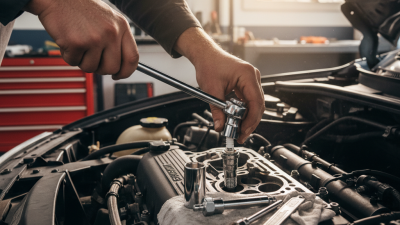
When it comes to spark plug replacement and maintenance, having the right tools is crucial for ensuring an efficient and effective process. Essential tools for this task begin with a spark plug socket, which is specifically designed to grip the spark plug securely without causing damage. A ratchet wrench is often paired with the socket to provide the necessary torque for removal and installation. These sockets generally feature a rubber or foam insert that helps hold the spark plug in place while you navigate tight engine compartments.
In addition to these primary tools, a gap tool is essential for checking and adjusting the spark plug gap according to manufacturer specifications. This ensures optimal performance and fuel efficiency. A torque wrench is also recommended, as it allows for precise tightening of the spark plugs, preventing over-tightening that could lead to engine damage. Lastly, a blow gun or compressed air can be beneficial for cleaning out any debris from the spark plug wells before installation, ensuring a clear and safe environment for the new spark plugs. By equipping yourself with these essential tools, you can confidently tackle spark plug maintenance for your vehicle.
Choosing the Right Spark Plug Wrench for Your Engine Type
When choosing the right spark plug wrench for your engine type, it’s essential to consider the specific requirements of your vehicle's engine. Different engines utilize various spark plug sizes and configurations, meaning that a one-size-fits-all approach won't work. For example, some engines may require a thinner wall socket to reach tight spaces, while others might need a deep socket for a more secure grip. Always refer to your vehicle's manual for the exact spark plug specifications before making a purchase.
Tips: When selecting a spark plug wrench, ensure it has an extension or swivel feature for better access to hard-to-reach spark plugs. Additionally, opt for a wrench that offers a good grip to prevent slippage, especially when working in tight engine compartments.
Another key consideration is the material and construction of the wrench. A sturdy, high-quality tool can withstand the torque required for removing stubborn spark plugs without damaging them. It's also beneficial to choose a wrench with a built-in rubber insert to securely hold the spark plug, making installation and removal much easier.
Tips: Keep a variety of spark plug wrenches in your toolkit for different engine types, as this will save you time and ensure that you're always prepared for any maintenance task. Remember that investing in the right tools will not only make the job easier but will also help prolong the life of your engine by ensuring optimal spark plug performance.
Evaluating the Need for Additional Spark Plug Maintenance Tools
When it comes to spark plug maintenance, having the right tools can make a significant difference in both ease of use and effectiveness. Evaluating the need for additional spark plug maintenance tools is essential, especially if you frequently engage in vehicle care or modifications. Aside from the basic spark plug socket and ratchet, consider investing in a torque wrench. This tool ensures that your spark plugs are tightened to the vehicle manufacturer's specifications, preventing issues such as damage to the threads or improper sealing.
Another valuable tool is the spark plug gap gauge. Maintaining the correct gap between the electrodes can greatly enhance engine performance and fuel efficiency. A gapping tool allows you to easily adjust this gap before installation, which is particularly important if you’re using aftermarket plugs that may not come pre-gapped to the correct specifications.
Tip: Always keep your tools clean and organized to ensure that they are in good working order when needed. A simple tool organizer can save you time and reduce frustration during your next maintenance task. Additionally, consider keeping a maintenance log for your tools, noting their condition and any replacements needed, to prolong their lifespan and ensure reliable performance.
How to Choose the Best Spark Plug Tools for Your Vehicle Maintenance
This chart illustrates the importance of various spark plug tools for vehicle maintenance, rated on a scale from 1 to 10. The socket wrench and torque wrench are highly valued, while brushes and anti-seize compounds are rated lower, indicating varying levels of necessity in the maintenance kit.
Tips for Properly Using Spark Plug Tools for Optimal Results
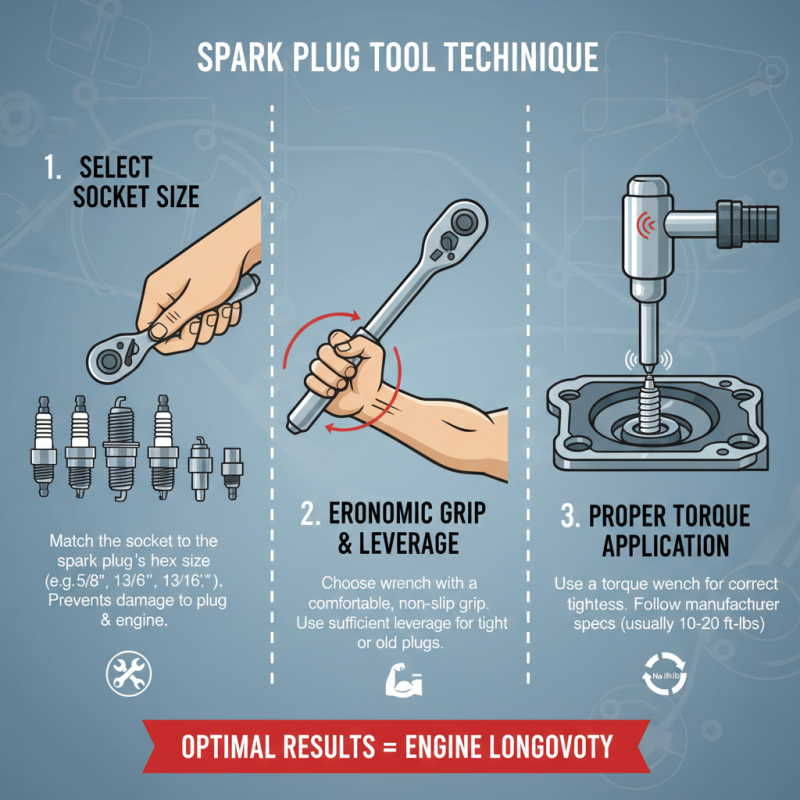
When it comes to using spark plug tools for vehicle maintenance, proper technique is crucial for optimal results. Start by selecting the right size socket for your spark plugs. Using a tool that matches the specific size of your spark plugs will prevent damage to both the plugs and the engine. Additionally, it's important to ensure that your wrench has a comfortable grip and enough leverage, especially if plugs are tightly fitted or have been in place for a long time.
Before installation, inspect the spark plugs and tools thoroughly. Check for any signs of wear or dirt, as contaminants can affect performance. When installing new plugs, consider applying a small amount of anti-seize compound to the threads; however, avoid over-applying as this can lead to inaccurate torque readings. Finally, use a torque wrench to tighten the plugs to the manufacturer's specifications, ensuring that the spark plugs are securely fastened without being overtightened, which could lead to cracks or breakage.