How to Choose the Right Oil Pumps for Your Industrial Needs
Selecting the appropriate oil pumps for industrial applications is critical for ensuring operational efficiency and preventing costly downtime. As John Smith, a leading expert in the oil pumps industry, aptly stated, "Choosing the right oil pump can make or break your production line." This underscores the importance of understanding the various factors that influence pump selection, such as fluid characteristics, system requirements, and maintenance needs.
With a myriad of options available in the market, the process of selecting an oil pump can be daunting. Industrial professionals must consider not only the technical specifications but also the long-term implications on maintenance and overall performance. Whether it's for hydraulic systems, lubrication, or fuel transfer, the right oil pump can significantly impact productivity and reliability in industrial environments.
In this guide, we will explore essential criteria for choosing the right oil pumps, providing insights drawn from industry experts and best practices. By emphasizing the critical attributes and potential pitfalls in the selection process, companies can make informed decisions, ultimately enhancing their operational capabilities and ensuring the longevity of their equipment.

Understanding Different Types of Oil Pumps Available for Industrial Use
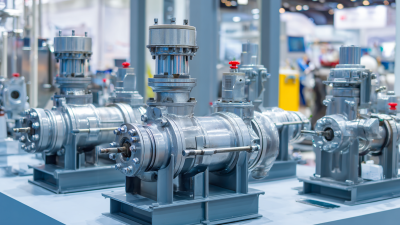
When selecting the right oil pump for industrial applications, it's essential to understand the various types available. One common type is the gear pump, which utilizes two interlocking gears to transfer oil. This design provides a continuous flow and is ideal for high-viscosity fluids. Gear pumps are known for their durability and ability to handle pressure, making them suitable for various industrial processes.
Another widely used type is the diaphragm pump. This pump works by creating a vacuum that draws oil into a chamber, where it is then pushed out through an outlet. Diaphragm pumps excel in applications requiring precise flow control and are particularly effective for thicker oils. Additionally, they are often used in environments where contamination must be avoided, as they provide a hermetic seal that protects the fluid from external elements.
Progressive cavity pumps are also notable in industrial settings, especially for transferring viscous fluids. These pumps utilize a helical rotor that moves oil through a stator, delivering a smooth and steady flow. Their design makes them ideal for handling solids mixed with fluids, which can be common in manufacturing and processing sectors. Understanding these different types of oil pumps will aid in choosing the most suitable option based on your industrial requirements.
Evaluating the Key Specifications and Performance Metrics of Oil Pumps
When evaluating oil pumps for industrial needs, the key specifications and performance metrics play a crucial role in ensuring that the selected pump meets operational demands. Key specifications include flow rate, pressure rating, and viscosity handling capabilities. A recent industry report indicated that the global oil pump market is projected to reach approximately $3.2 billion by 2025, driven by increasing oil exploration and production activities. Selecting a pump that can handle high-efficiency standards—typically around 90% or greater—can significantly improve system performance and reduce operational costs.
In addition to specifications, performance metrics such as energy consumption and reliability should be considered. It’s essential to examine the energy efficiency ratings, as more efficient pumps can lower overall energy costs. According to research from the American Society of Mechanical Engineers, pumps account for nearly 20% of the world's electrical energy consumption. Thus, choosing a high-efficiency pump model can lead to substantial energy savings over time.
Furthermore, understanding the Mean Time Between Failures (MTBF) and warranty conditions can provide insight into the durability and operational reliability of the oil pump, assuring that maintenance costs and downtime are minimized in the long run.
Assessing Compatibility with Your Industrial System and Fluids
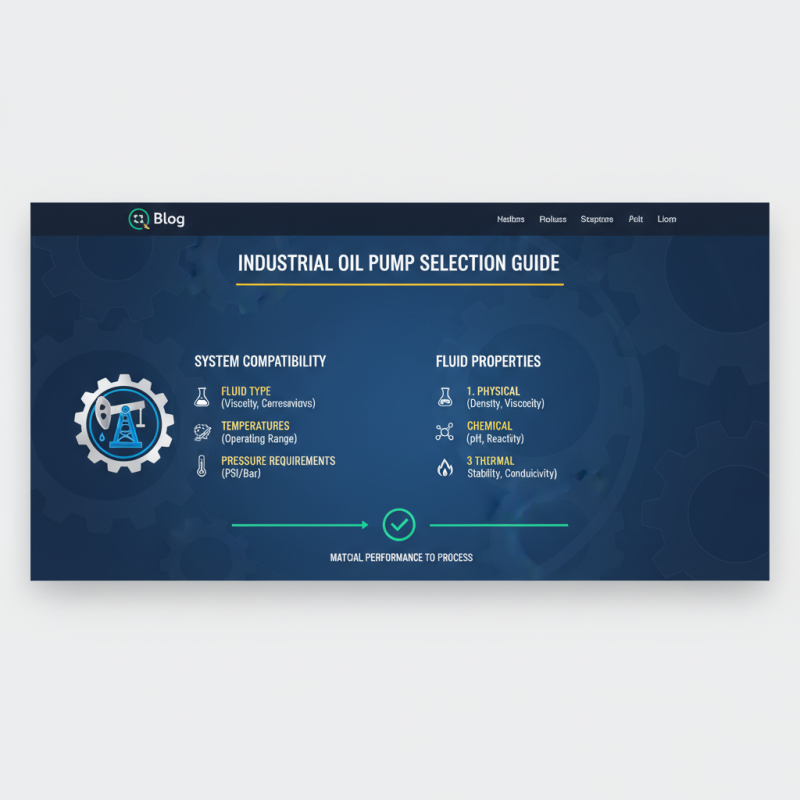
When selecting oil pumps for industrial applications, a critical aspect to consider is the compatibility of the pump with the existing industrial system and the specific fluids being handled. Each industrial system possesses unique characteristics, including the type of fluids, operating temperatures, and pressure requirements. Therefore, it is essential to evaluate the physical and chemical properties of the fluids, such as viscosity, corrosiveness, and temperature stability, to ensure that the chosen pump can effectively manage the operational demands without compromising safety or efficiency.
Moreover, the design and materials of the oil pump must align with the compatibility requirements of the fluids. For instance, certain fluids can react negatively with specific materials, leading to deterioration, leakage, or pump failure. Understanding the interaction between the pump materials and the fluids is crucial for longevity. Additionally, ensuring that the pump integrates seamlessly with the existing system architecture is vital; this includes matching connection sizes, flow rates, and power requirements to minimize installation challenges and potential operational disruptions. Proper assessment and careful selection based on these compatibility factors will lead to improved performance and reduced maintenance costs over time.
Analyzing Cost-Effectiveness and Maintenance Requirements
When selecting oil pumps for industrial applications, understanding cost-effectiveness and maintenance requirements is crucial. Cost-effectiveness involves not only the initial purchase price but also the long-term operational costs. An efficient oil pump can lead to significant savings through reduced energy consumption and decreased failure rates. Evaluating the total cost of ownership, which includes installation, energy use, and potential downtime, is essential for making an informed decision. Investing slightly more in high-quality pumps may result in better performance and longevity, ultimately paying off over time.
Maintenance requirements are another critical aspect to consider. Different oil pumps have varying maintenance schedules and complexity levels. Simple pumps may require less frequent servicing but could be more susceptible to wear and tear, while more advanced systems might need regular monitoring and parts replacement. Understanding the maintenance guidelines and the availability of replacement parts can provide insights into the long-term viability of the pump. Additionally, training staff on proper maintenance procedures and establishing a routine inspection schedule can enhance the reliability and lifespan of the equipment, leading to minimized operational disruptions and improved efficiency.
Cost-Effectiveness and Maintenance Analysis of Oil Pumps
Identifying Reputable Manufacturers and Suppliers for Oil Pumps
When selecting oil pumps for industrial needs, identifying reputable manufacturers and suppliers is crucial to ensure quality and reliability. Start by researching companies that have a solid track record in the industry. Look for manufacturers that have been in operation for several years and have built a reputation for producing durable and efficient oil pumps. Certifications and industry standards compliance can also serve as benchmarks for evaluating the credibility of a supplier. Consider reaching out to industry professionals or networks to gather recommendations and insights on potential manufacturers.
Additionally, examine the customer service and support offered by potential suppliers. A reputable supplier should provide comprehensive support, including installation guidance, maintenance services, and responsive customer care. Review customer testimonials and case studies to gauge the experiences of other businesses with similar requirements. An openness to communication and a willingness to address concerns can be indicative of a supplier's commitment to service and customer satisfaction. These factors combined can help businesses find reliable partners who can meet their specific industrial needs effectively.
How to Choose the Right Oil Pumps for Your Industrial Needs
| Pump Type |
Flow Rate (GPM) |
Max Pressure (psi) |
Power Requirement (HP) |
Best Applications |
| Gear Pump |
10-500 |
3000 |
1-10 |
Hydraulic Fluids |
| Diaphragm Pump |
5-100 |
150 |
0.5-5 |
Chemical Transfer |
| Centrifugal Pump |
20-8000 |
250 |
5-100 |
General Liquid Transfer |
| Positive Displacement Pump |
10-400 |
1000 |
1-15 |
Viscous Liquids |