How to Choose the Best DC High Pressure Pump for Your Needs?
Choosing the right Dc High Pressure Pump is critical for optimal performance in various applications. A report by Research and Markets projects a compound annual growth rate of 5.6% in the DC pump market over the next five years. With increasing demand in agriculture, automotive, and industrial sectors, understanding your specific requirements is essential.
DC high pressure pumps vary widely in design and functionality. Different models are available, each tailored for distinct tasks. For example, diaphragm pumps are efficient for chemical transport, while centrifugal pumps excel in moving larger volumes of liquids. It can be overwhelming to sift through specifications and features, especially when making a considerable investment.
It's important to consider factors such as flow rate, pressure capacity, and energy efficiency when evaluating options. A few small details can significantly impact pump longevity and efficiency. Manufacturers may promote their products boldly, yet performance in real-world conditions can differ. Buyers should critically assess user reviews and expert recommendations to avoid potential pitfalls.
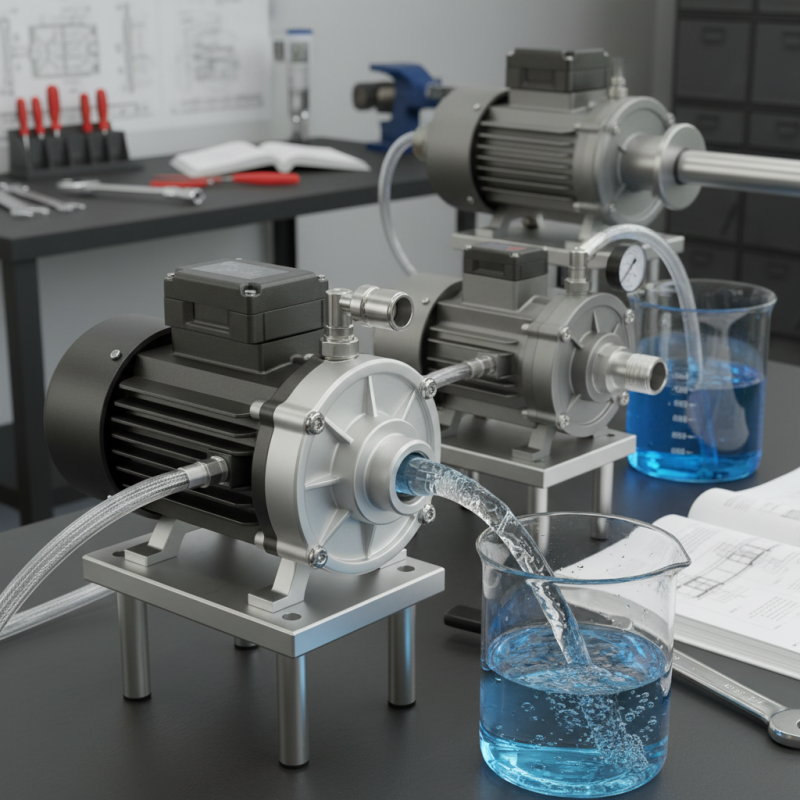
Understanding DC High Pressure Pumps and Their Applications
DC high pressure pumps are essential in various industries. They convert direct current electricity into high-pressure water flow. These pumps are widely used in applications like agricultural irrigation, cleaning systems, and pressure testing. According to a recent industry report, the demand for high pressure pumps is projected to grow by 5.5% annually.
Understanding the specifications of DC high pressure pumps is crucial. For instance, a pump's pressure rating directly impacts its efficiency in applications. Units with a pressure output exceeding 200 PSI are suitable for heavy-duty operations. Many users overlook this aspect, leading to underperforming systems. Factors such as flow rate and voltage also play significant roles.
Applications vary, highlighting the versatility of these pumps. In agriculture, they irrigate large fields efficiently. In industrial settings, they aid in hydraulic testing. However, choosing the right pump can be challenging. Users often face confusion about compatibility with existing systems. This underscores the importance of detailed research and expert consultations. Although many resources exist, interpreting technical specifications can be daunting. Misunderstandings might lead to poor purchases, affecting overall project outcomes.
Key Factors to Consider When Selecting a DC High Pressure Pump
Choosing the right DC high pressure pump requires careful consideration of several key factors. The first crucial aspect is the pump’s pressure rating. Assess your specific needs. Different applications demand varying pressure levels. Calculating the required pressure ensures efficient operation.
Another important factor is flow rate. Understand how much fluid you need to move per minute. If you underestimate, you may face performance issues. The materials used in the pump also matter. Choose a pump made of corrosion-resistant materials for durability. Compatibility with your specific fluid type is essential.
It’s also wise to consider the power source. Ensure it aligns with your availability and convenience. Reliability is critical. An unreliable pump can lead to complications and extra costs. Thinking carefully about your requirements helps make informed decisions. Reflect on your specific use cases, as they guide you to the best choice. Remember, every application is unique, and there is no one-size-fits-all solution.
Evaluating Pump Specifications for Optimal Performance
When selecting a DC high-pressure pump, evaluating pump specifications is crucial for achieving optimal performance. Start by examining the flow rate. This indicates how much fluid the pump can move within a specific time frame. For applications requiring rapid fluid transfer, a higher flow rate is better. Conversely, if precision is key, a lower flow rate might be more suitable.
Next, focus on the pressure rating. This tells you the maximum pressure the pump can handle. It’s essential to match this with your system’s requirements. Sometimes, users overlook pressure ratings, leading to pump failure or inefficiency. Assess the materials used in construction, too. A pump made from corrosion-resistant materials can greatly enhance durability in harsh environments.
Power consumption is another critical specification. A pump that uses excessive electricity can inflate operational costs. Checking efficiency ratings can help ensure you’re choosing an economical option. Lastly, consider the maintenance needs. Some pumps are easier to maintain than others, impacting long-term performance. Reflecting on these specifications will help lead you to a more informed decision, increasing reliability in your applications.
How to Choose the Best DC High Pressure Pump for Your Needs? - Evaluating Pump Specifications for Optimal Performance
| Pump Model | Max Pressure (PSI) | Flow Rate (GPM) | Power Rating (W) | Weight (lbs) | Material |
| Model A | 3000 | 2.5 | 750 | 15 | Aluminum |
| Model B | 3500 | 3.0 | 800 | 18 | Stainless Steel |
| Model C | 4000 | 4.0 | 1000 | 20 | Plastic |
| Model D | 5000 | 2.0 | 900 | 22 | Bronze |
Maintenance and Reliability of DC High Pressure Pumps
When considering the maintenance and reliability of DC high pressure pumps, several critical factors come into play. Regular maintenance is essential to extend the lifespan of these pumps. A study by the Hydraulic Institute indicates that proper maintenance can enhance pump reliability by up to 30%. Neglecting routine checks often leads to unexpected failures and costly downtimes.
One tip for effective maintenance is to develop a schedule for regular inspections. Check seals and bearings for wear, as these are common failure points. Additionally, monitoring the pump’s performance can highlight issues before they escalate. Don’t ignore small leaks; they could indicate larger problems down the line.
Achieving optimal reliability also involves selecting the right materials. Pump components made from durable materials can withstand high pressures better, minimizing wear and tear. According to industry reports, about 70% of pump failures occur due to material fatigue. Evaluate your operating conditions and choose a pump that meets them. Lastly, maintaining a clean environment around the pump can prevent contaminants from affecting its performance.
Cost Considerations and Budgeting for Your Pump Purchase
When considering the purchase of a DC high pressure pump, budgeting is key. Understand your requirements before diving into costs. Different pumps serve different purposes. The right choice affects your overall expenses and efficiency.
Compare options based on performance and price. Costs can vary widely depending on specifications and features. Calculate the total cost of ownership, including maintenance and energy consumption. Sometimes, a cheaper option may result in higher long-term costs. Think about total value, not just the initial price.
Tips: Always allocate a buffer in your budget. Unexpected expenses may arise during installation or setup. Gather quotes from multiple suppliers to optimize costs. Investing in a quality pump now can save money in repairs and replacements later. Make informed decisions by evaluating the reliability and efficiency of the pump. You'll avoid pitfalls by planning your budget carefully, so take your time and research thoroughly.
