How to Choose the Right Air Tool Oil for Your Needs?

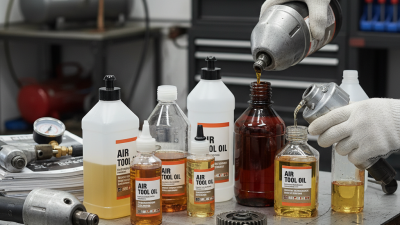
Choosing the right air tool oil can greatly impact your equipment's performance and lifespan. Air tool oil is essential for lubricating and protecting your tools from wear and tear. When you select the right oil, you ensure smooth operation, reducing the likelihood of clogs and breakdowns.

Consider the specific needs of your tools. Some air tools require specially formulated oils to function correctly. Others might tolerate more standard options. Always check the manufacturer's recommendations. Ignoring this can lead to costly damage or even void warranties.

While selecting air tool oil, consider factors like viscosity, temperature range, and intended application. Not all oils are created equal. Some may not provide adequate protection at high temperatures. Reflect on your choice and ensure you're making an informed decision. The right air tool oil should enhance your tool's performance, not hinder it.

How to Choose the Right Air Tool Oil for Your Needs?

What is Air Tool Oil and Why is it Important?

Air tool oil is a specialized lubricant designed for pneumatic tools. It plays a vital role in maintaining these tools. Without proper lubrication, the tools may suffer from increased wear and tear. This can lead to inefficiency and potential breakdowns. The oil reduces friction inside the tool, ensuring smooth operation.

Choosing the right air tool oil can be confusing. Not all oils are created equal. Some are formulated for specific types of tools, while others may not suffice. It’s essential to understand your tool’s requirements. For example, using the wrong oil can affect performance. The consequences might be costly.

The importance of air tool oil lies in its ability to prolong the lifespan of your tools. Regular maintenance is key. Without it, you risk damaging components. Tools work harder without lubrication, leading to overheating. This can potentially halt your projects. Make sure to regularly check oil levels and ensure optimal performance.
Air Tool Oil Types and Their Viscosity

Types of Air Tool Oils Available in the Market

How to Choose the Right Air Tool Oil for Your Needs?

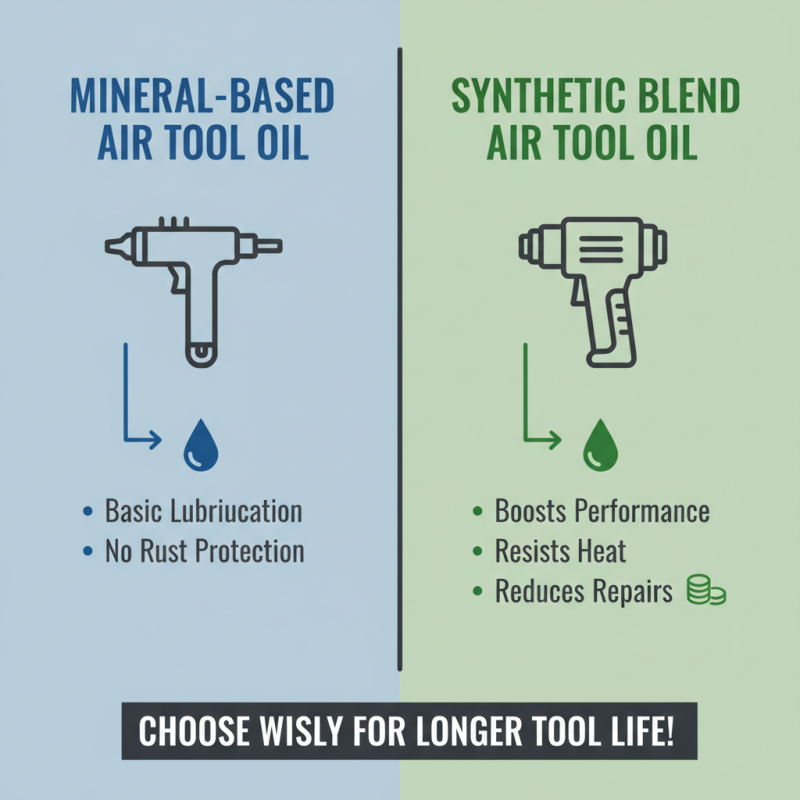
When it comes to air tool oils, various types are available to meet your specific needs. Mineral-based oils are common. They provide basic lubrication but may not offer protection against rust. For heavier machinery, a synthetic blend is often preferred. This type boosts performance and resists thermal breakdown. It can be pricier but might save you cost on repairs in the long run.

Another option is non-detergent oil. This oil works well for tools that aren't used frequently. It prevents moisture accumulation but may not clean internal parts effectively. A drawback here is that it can leave residues over time. Therefore, regular maintenance is important.

Consider weighing these options against your actual usage. Your environment plays a role too. Dusty or humid conditions can demand more specialized oils. Reflect on your tool's specific requirements to avoid potential issues. Choosing the right oil isn't purely about cost; it's about longevity and efficiency.

Key Factors to Consider When Choosing Air Tool Oil

Choosing the right air tool oil is essential for optimal performance. Several key factors should guide your decision. First, consider the viscosity. Thicker oils may be more suitable for heavy-duty tools, while lighter oils work best for delicate instruments. Understanding your tool's requirements can save you time and money.

Another crucial factor is the type of air tool. Some tools need specific oils to function efficiently. For instance, pneumatic nailers may require a different formulation than impact wrenches. Always refer to user manuals for specific recommendations. If you can’t find guidance, reaching out to professionals is a wise choice.

Tips: When selecting oil, think about the operating conditions. Extreme temperatures can affect oil performance. Be wary of oils that do not specify a temperature range for their effectiveness. Another tip is to consider how often you use your tools. Frequent users might benefit from investing in a higher-quality oil that lasts longer. Don't overlook the importance of maintenance—regular oil checks can prevent damage and reduce repair costs.

How to Choose the Right Air Tool Oil for Your Needs? - Key Factors to Consider When Choosing Air Tool Oil

Factor Description Recommended Type
Viscosity The thickness of the oil, affecting lubrication efficiency. ISO 32, ISO 46 for most air tools
Additives Substances added to enhance performance, such as detergents. Anti-wear and rust inhibitors
Operating Temperature Range of temperatures in which the oil remains effective. Low-temperature fluids for cold environments
Application Suitability of oil for specific air tools or operations. Choose oil based on manufacturer recommendations
Environmental Considerations Impact of oil on the environment and user safety. Biodegradable oils for eco-friendly options

How to Properly Apply Air Tool Oil to Your Tools

Applying air tool oil correctly is essential for maintaining your tools. First, ensure you have clean and dry tools to work with. Any debris or moisture can interfere with lubrication. Use a clean cloth to wipe down the tools before applying oil. This simple step can prevent rust and improve performance.

When applying air tool oil, it’s crucial to follow the manufacturer’s guidelines. Using too much oil can lead to excess buildup, which may attract dirt. Just a few drops should suffice. Pay attention to critical moving parts. These are usually the areas that require more protection.

Tips: Always check your tools after a heavy usage period. This can help identify if they need more oil or if any part is wearing down. It's a good idea to develop a regular oiling schedule. Skipping sessions may lead to unexpected tool failure. Ultimately, developing a consistent maintenance routine is beneficial for your tools. Regular checks can save you from costly repairs later.

Common Mistakes to Avoid When Using Air Tool Oil

How to Choose the Right Air Tool Oil for Your Needs?

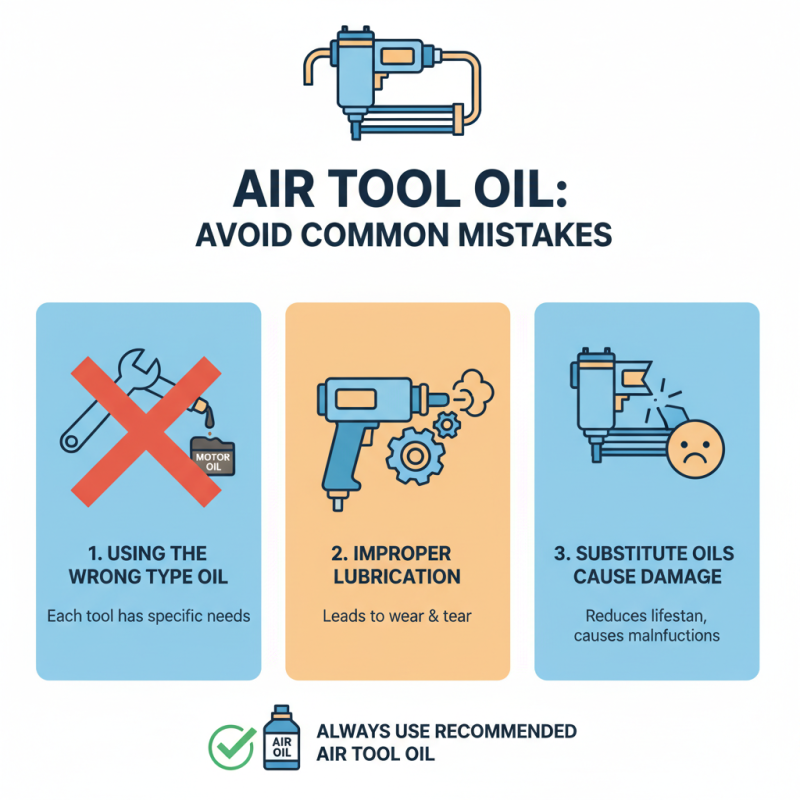
When using air tool oil, many common mistakes can affect performance. One major error is using the wrong type of oil. Each air tool may require a specific oil for optimal function. Using motor oil or other substitutes can lead to premature wear or malfunctions.

Another mistake is neglecting to regularly check oil levels. Low oil levels may lead to increased friction and heat damage. Check your tools before starting any project. This simple step can save time and money in the long run.

**Tips:** Always consult your air tool’s manual. It often contains crucial information regarding the type of oil to use. Utilize oiling ports to keep your tools lubricated efficiently. Regular maintenance makes a difference.

Finally, avoid over-lubricating. Too much oil can attract dirt and debris. This accumulation can clog parts, leading to a decrease in efficiency. A little goes a long way in maintaining your tools.