Unlocking Clean Air: How Dry Air Filters Enhance Indoor Air Quality and Respiratory Health
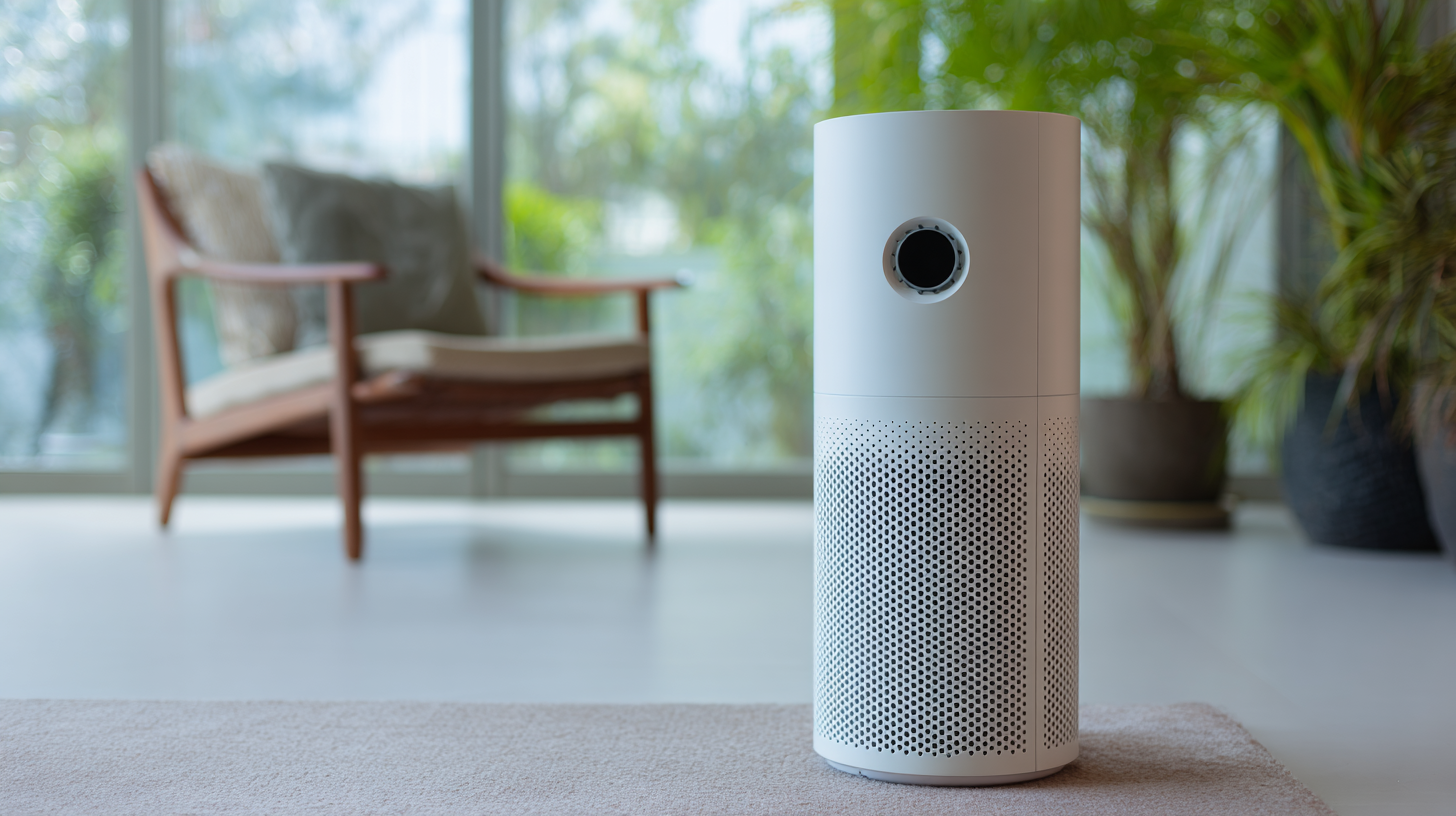 As the quest for cleaner indoor air intensifies, the role of dry air filters has garnered significant attention. According to the Environmental Protection Agency (EPA), indoor air can be two to five times more polluted than outdoor air, primarily due to particulate matter, allergens, and volatile organic compounds (VOCs) that accumulate in enclosed spaces.
A study by the American Lung Association highlights that 40% of Americans are impacted by respiratory issues linked to poor air quality, making effective filtration systems like dry air filters critical. These innovative filters are designed to capture airborne pollutants, moisture, and allergens, thereby enhancing overall respiratory health and comfort.
By understanding how to optimize the use of dry air filters in our living and working environments, we can take proactive steps toward unlocking cleaner air and safeguarding our well-being.
Benefits of Dry Air Filters in Reducing Indoor Air Pollutants by Up to 90%
Dry air filters are becoming increasingly recognized for their role in enhancing indoor air quality and promoting respiratory health. According to a report by the Environmental Protection Agency (EPA), indoor air often contains pollutants at levels two to five times higher than outdoor air. These pollutants can significantly impact health, leading to respiratory issues and other complications. By utilizing dry air filters, studies indicate that indoor air pollutants can be reduced by as much as 90%. This dramatic decrease is primarily attributed to the efficiency of these filters in capturing particulate matter, dust, pollen, and even harmful biological agents.
Research conducted by the American Lung Association supports the effectiveness of dry air filters, noting that they can trap particles as small as 0.3 microns. This includes many common allergens and irritants that aggravate conditions such as asthma and allergies. Furthermore, the use of high-efficiency particulate air (HEPA) filters can enhance this filtration process, leading to a cleaner and healthier indoor environment. As we spend approximately 90% of our time indoors, improving air quality through dry air filters is essential for safeguarding respiratory health and overall well-being.
Impact of Improved Indoor Air Quality on Respiratory Health Statistics
Improved indoor air quality has a significant impact on respiratory health statistics, especially for vulnerable populations such as children, the elderly, and individuals with pre-existing respiratory conditions. Studies indicate that exposure to airborne pollutants—ranging from dust and allergens to volatile organic compounds—can exacerbate asthma, lead to respiratory infections, and contribute to long-term lung damage. By utilizing dry air filters, which are designed to capture these particulate matters efficiently, indoor environments can achieve a significant reduction in harmful substances, thereby lowering the incidence of respiratory issues.
Furthermore, research shows that better indoor air quality correlates with lower emergency room visits and hospitalizations due to respiratory complications. In homes equipped with effective air filtration systems, families report fewer instances of wheezing, coughing, and other respiratory symptoms. This improvement in air quality not only enhances the overall well-being of individuals but also eases the burden on healthcare systems, resulting in significant cost savings. As awareness of the importance of indoor air quality grows, the adoption of dry air filters becomes crucial for promoting healthier living spaces and improving public health outcomes.
Understanding HEPA vs. Standard Filters: Performance Metrics and Efficacy
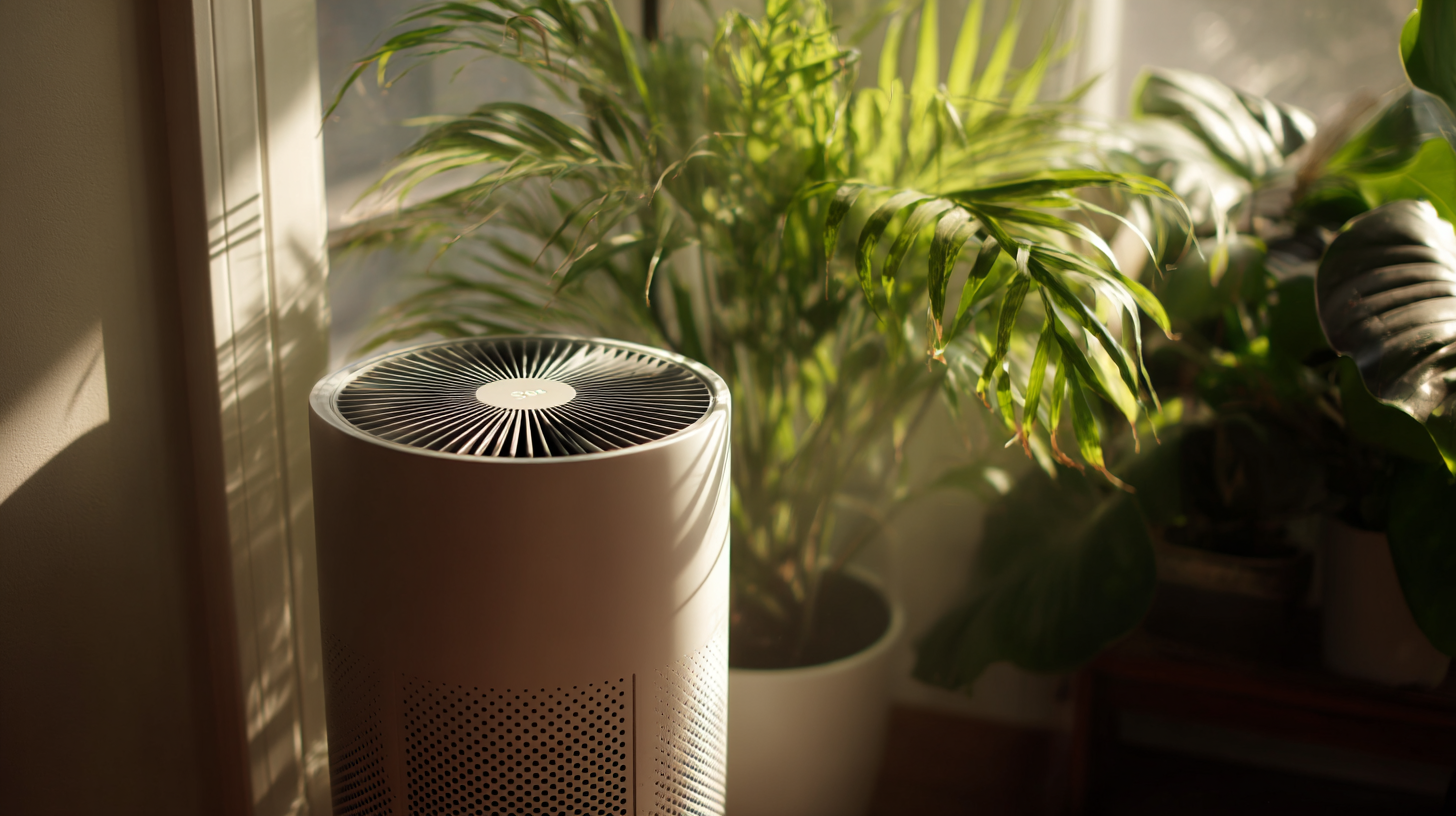
When it comes to improving indoor air quality, understanding the differences between HEPA (High Efficiency Particulate Air) filters and standard filters is crucial. HEPA filters are designed to capture at least 99.97% of particles that are 0.3 microns in diameter, including dust, pollen, and smoke. This high level of filtration efficiency makes them vastly superior for individuals with respiratory issues or allergies, as they significantly reduce the presence of harmful airborne substances.
On the other hand, standard filters typically use less advanced technology and may only capture a fraction of larger particles. While they can help with general dust removal, their efficacy against smaller contaminants is limited. This distinction is particularly important in environments where clean air is vital. The choice between HEPA and standard filters thus hinges on the specific air quality needs of a space, with HEPA filters providing a more robust solution for maintaining healthy indoor air and supporting overall respiratory health.
Unlocking Clean Air: HEPA vs. Standard Filters Performance Metrics
| Filter Type |
Particle Removal Efficiency (%) |
Typical Use Cases |
Average Lifespan (Months) |
Cost Range (USD) |
| HEPA Filter |
99.97% for 0.3 µm particles |
Allergy relief, asthma, hospitals |
6-12 |
$20 - $100 |
| Standard Filter |
30-60% for 0.3 µm particles |
General dust and lint removal |
1-3 |
$5 - $30 |
| Activated Carbon Filter |
Variable, good for odors |
Odor removal, smoke, VOCs |
6-12 |
$15 - $75 |
Correlation Between Humidity Levels and Air Filter Performance in Various Climates
Humidity levels play a crucial role in the performance of air filters and overall indoor air quality. In various climates, maintaining optimal humidity can significantly enhance the effectiveness of dry air filters. In drier regions, increased humidity can help prevent dust and allergens from becoming airborne, improving breathing conditions and respiratory health. As a result, individuals and businesses are increasingly investing in humidifiers to achieve a balanced environment, reflected in the growing market size, which is projected to reach $2.216 billion in 2024.
Tips for improving indoor air quality include regularly monitoring humidity levels to ensure they remain within the ideal range of 30% to 50%. Consider using a hygrometer to gauge moisture levels in your home or office. Additionally, maintaining your humidifier is essential to prevent mold and bacteria growth, which could negate the benefits of improved air quality. Regular cleaning and using distilled water can help achieve this goal.
Another effective strategy is to combine humidifiers with air filters specifically designed for various climates. This pairing can optimize air quality, making environments healthier for occupants. Adjusting humidity levels in line with seasonal changes can further enhance filter performance, leading to cleaner air and better respiratory health year-round.
Impact of Humidity Levels on Air Filter Performance
This chart illustrates the correlation between different humidity levels and the efficiency of dry air filters in enhancing indoor air quality across various climates. Measurements are taken to show how air filters perform in different humidity settings, demonstrating their role in respiratory health.
Cost-Benefit Analysis of Investing in High-Quality Dry Air Filters for Homes
Investing in high-quality dry air filters can significantly improve indoor air quality, which is increasingly crucial given that indoor air can be up to five times more polluted than outdoor air, according to the Environmental Protection Agency (EPA). Allergens like dust, pollen, and pet dander can circulate in homes, impacting respiratory health. A recent study by the American Lung Association revealed that using high-efficiency particulate air (HEPA) filters can reduce airborne particles by up to 99.97%, substantially decreasing the risk of respiratory issues among vulnerable populations, such as children and the elderly.
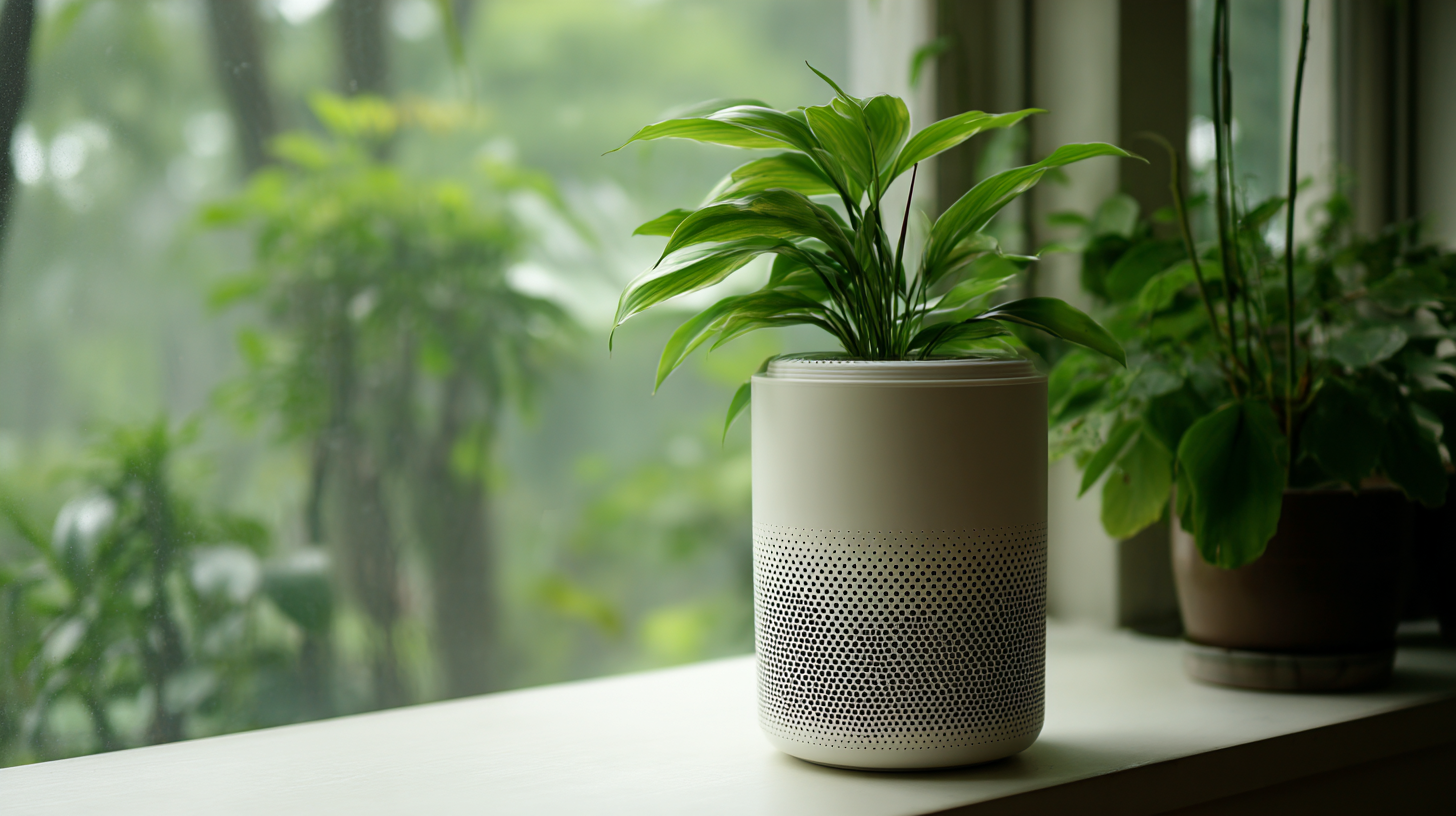
While the initial cost of high-quality dry air filters may be higher than standard options, the long-term benefits justify the investment. According to a report from the International Society of Indoor Air Quality and Climate (ISIAQ), improved air quality resulting from effective filtration can lead to a 25% reduction in respiratory ailments, translating to fewer medical visits and lower healthcare costs. Moreover, better air quality has been linked to increased productivity and concentration, making it a wise choice for home offices. By prioritizing high-quality dry air filters, homeowners can not only enhance their well-being but also realize significant cost savings over time.