Essential Guide to Choosing the Right Oil and Filter for Your Vehicle's Performance
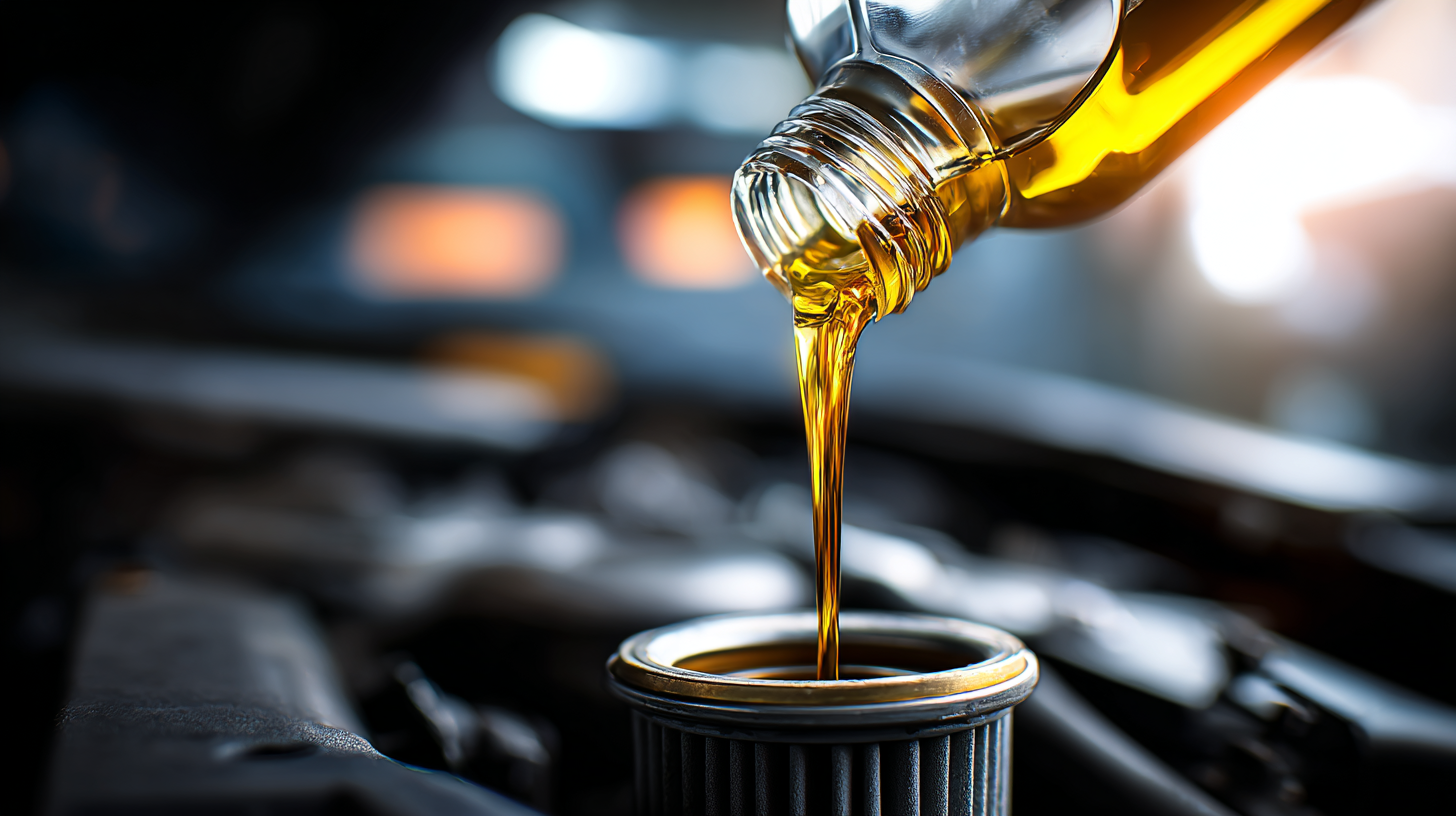 Selecting the appropriate oil and filter for your vehicle is crucial for optimal performance, longevity, and efficiency. According to the American Petroleum Institute (API), using the correct type of oil can enhance a vehicle's fuel economy by up to 2%. Furthermore, a quality filter is essential, as the International Filter Manufacturers Association reports that a clean oil filter can improve engine performance by preventing harmful contaminants from circulating within the engine. Recent studies indicate that vehicles serviced with the right oil and filter experience less wear and tear, leading to lower maintenance costs and extended lifespan.
As the automotive industry continues to evolve, staying informed about oil and filter specifications can significantly affect your vehicle's performance. Therefore, making educated choices based on manufacturer recommendations and industry standards becomes paramount for every vehicle owner.
Understanding Your Vehicle's Engine Oil Requirements
When it comes to maintaining your vehicle's performance, understanding your engine oil requirements is crucial. Each engine has specific needs based on its design, performance goals, and environmental factors. The manufacturer's specifications provide essential information on the type of oil that should be used, including viscosity ratings (like 5W-30) and certification standards (such as API or ILSAC ratings). Choosing the wrong oil can lead to inadequate lubrication, increased wear and tear, and ultimately, engine failure.
Moreover, the climate and driving conditions you typically encounter play a significant role in oil selection. In extreme temperatures, for instance, a higher viscosity oil might be necessary to maintain protection and performance during hot weather. Similarly, if you frequently engage in stop-and-go driving or heavy towing, a synthetic or high-mileage oil may offer better protection against breakdown and sludge formation. By understanding these factors and adhering to the recommended guidelines, you can ensure optimal engine performance and longevity.
Types of Engine Oils and Their Benefits for Performance
When selecting the right engine oil for your vehicle, understanding the various types of engine oils and their specific benefits is crucial for optimizing performance. Engine oils primarily fall into three categories: conventional, synthetic, and synthetic blend oils. According to a report from the American Petroleum Institute (API), synthetic oils are engineered to deliver superior performance under extreme temperatures, improving fuel efficiency by up to 2% compared to conventional oils, which is significant for modern engines that operate under demanding conditions.
Additionally, the viscosity of the oil is a critical factor affecting engine performance. Oils with lower viscosity ratings, such as 0W-20 or 5W-30, provide better flow at low temperatures, ensuring quick lubrication during cold starts. A recent study from the Society of Automotive Engineers (SAE) highlighted that using the manufacturer-recommended viscosity can reduce engine wear by up to 50%. This reduction not only extends engine life but also enhances overall performance, ensuring that your vehicle runs smoothly and responds better under load.
Ultimately, selecting the appropriate engine oil is not just about meeting specification; it directly affects your vehicle's longevity and efficiency. Pairing the right oil with a quality oil filter can help maintain optimal engine hygiene, which is further supported by research indicating that clean oil can improve engine responsiveness by as much as 20%. Prioritizing the correct oil type and viscosity is essential for any vehicle owner looking to achieve the best possible performance from their engine.
Selecting the Right Oil Filter for Optimal Engine Health
Choosing the right oil filter is crucial for maintaining optimal engine health in your vehicle. Oil filters play a vital role in trapping contaminants and debris that can accumulate in the engine oil over time. By ensuring that your oil filter is of high quality and properly matched to your vehicle, you can significantly extend the lifespan of your engine. A good oil filter not only keeps the oil clean but also supports optimal oil circulation, which contributes to the overall performance and efficiency of the engine.
When selecting an oil filter, consider factors such as the filtration capacity, compatibility with your specific make and model, and the type of oil you'll be using. Look for filters that provide a high dirt-holding capacity and meet industry standards, as these features indicate better performance. Additionally, some filters come with advanced filtration technologies designed to capture even the smallest particles, providing an extra layer of protection for your engine. Always consult your vehicle's owner manual and choose a reputable brand to ensure you are making the best choice for your vehicle's needs.
Essential Guide to Choosing the Right Oil and Filter for Your Vehicle's Performance
How to Read Oil and Filter Specifications Effectively
When selecting the right
oil and
filter for your vehicle, understanding the specifications is crucial for maintaining optimal performance.
Oil specifications typically include viscosity ratings, such as
5W-30 or 10W-40, which indicate the oil's flow at different temperatures. A lower number before the "W"
(winter) means better performance in cold temperatures, while the second number represents how well it performs at higher temperatures.
It's essential to choose oil that matches your vehicle's manufacturer recommendations to ensure proper lubrication and protection.
Similarly, filter specifications outline the type of filtration technology used and the size of the filter. Look for filters that provide good
particulate removal efficiency. Quality filters will often include specifics about the
micron rating, which indicates the smallest particle size the filter can trap. By paying attention to
these details, you can select oil and filters that work in harmony, ensuring your engine runs smoothly and efficiently.
Remember, regular checks and timely replacements based on these specifications can significantly enhance your vehicle's longevity and performance.
Maintenance Tips for Long-lasting Oil and Filter Efficiency
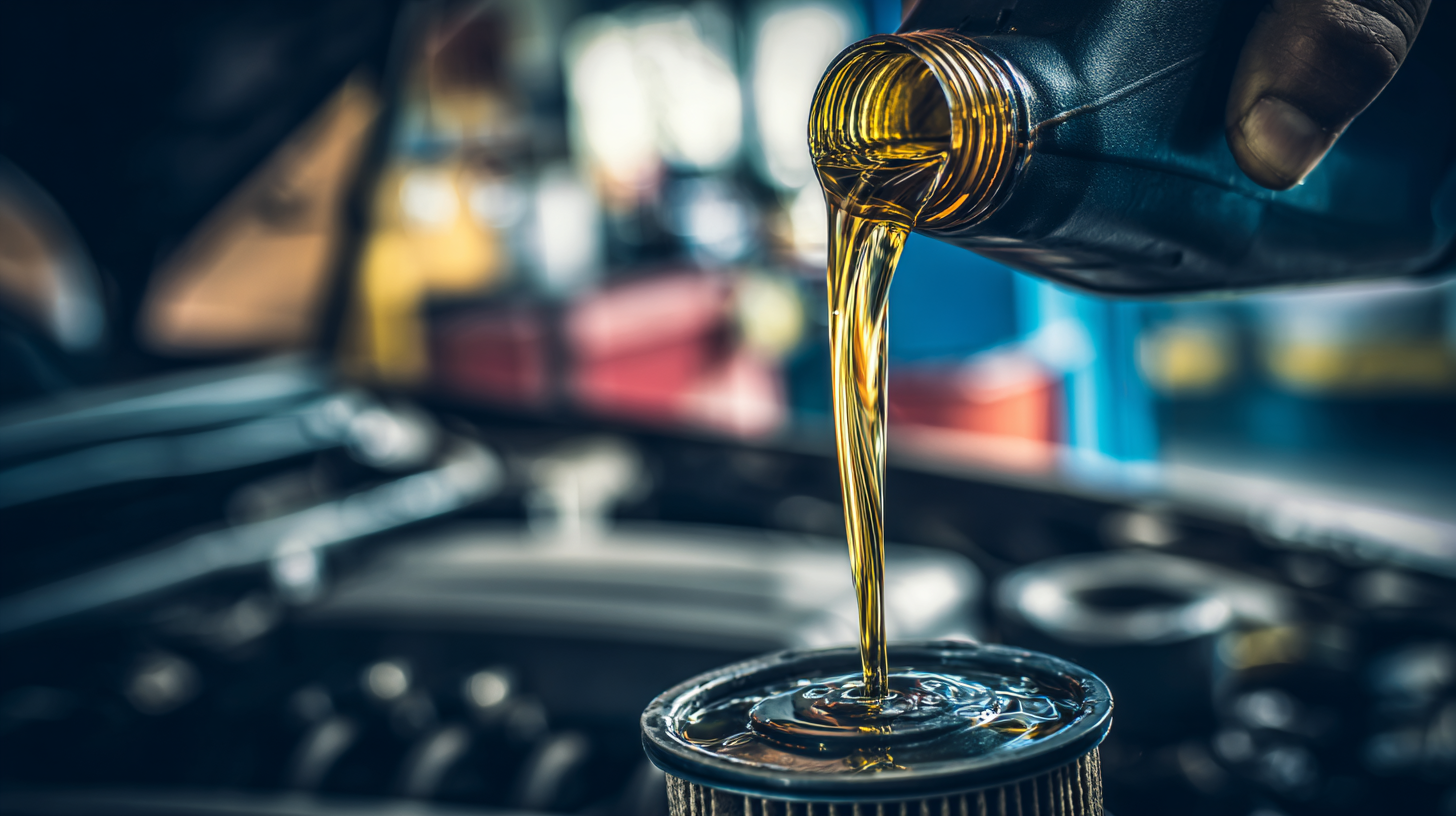
Regular maintenance of your vehicle's oil and filter is crucial for optimal performance and longevity. To ensure long-lasting oil and filter efficiency, it's essential to adhere to the manufacturer's recommended schedule for oil changes. Typically, changing the oil every 5,000 to 7,500 miles, depending on the type of oil used, helps to keep the engine clean and lubricated. Additionally, always check the oil level frequently, especially before long trips, to avoid any potential engine damage caused by low oil levels.
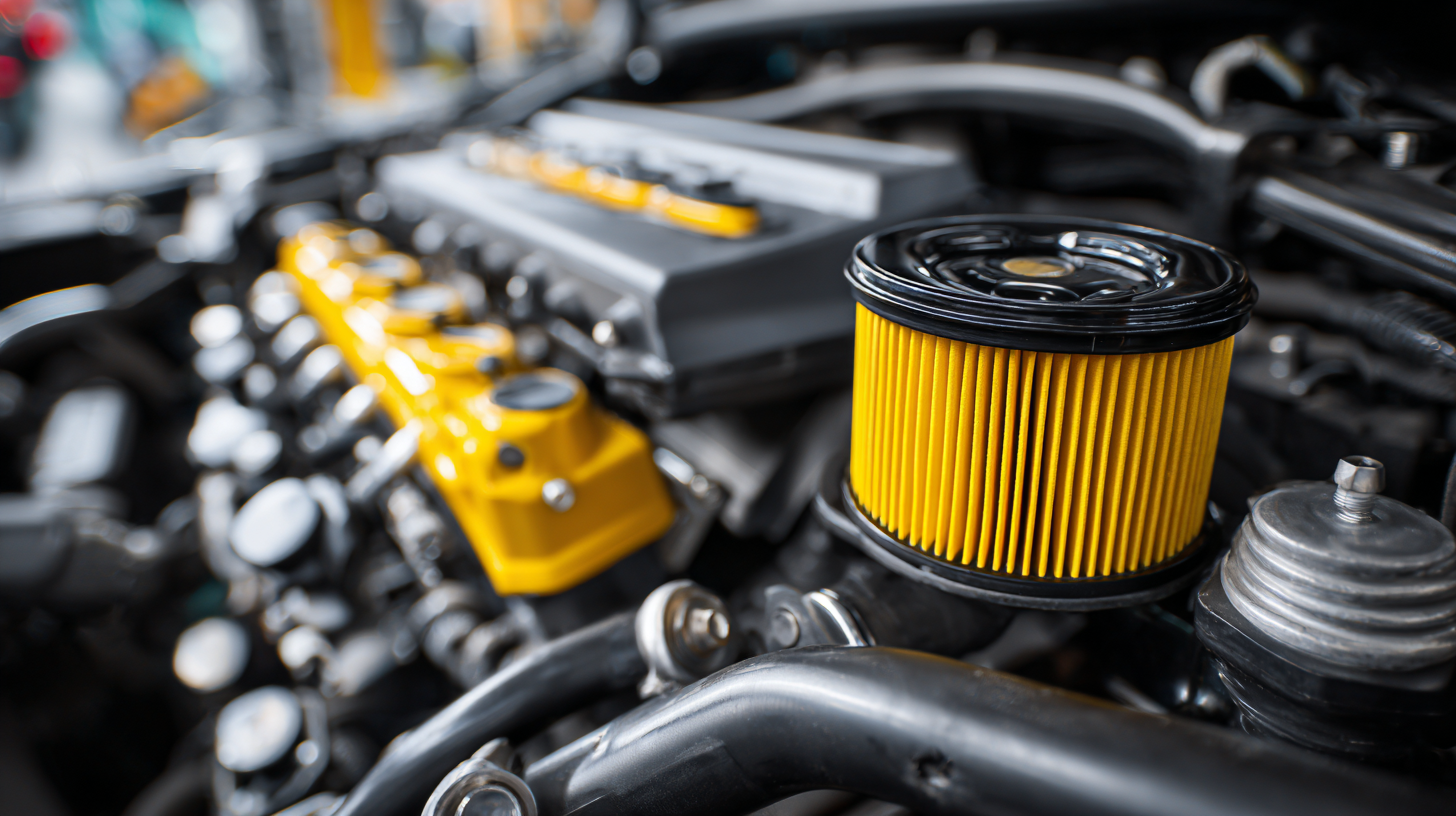
Selecting the right oil filter is also imperative. A high-quality filter not only traps dirt and contaminants but also maintains the oil flow, preventing blockages that can lead to engine wear. When choosing an oil filter, consider factors such as compatibility with your vehicle and its ability to handle the oil type you selected. Regularly inspecting the filter for signs of wear or damage will further enhance its efficiency, keeping your engine running smoothly and efficiently. Implementing these maintenance tips can lead to significant improvements in your vehicle's performance and reliability.