10 Essential Tips for Choosing the Right Spark Plugs for Your Vehicle?
Choosing the right spark plugs for your vehicle is a critical aspect of engine performance. Experts agree that the right spark plugs can enhance combustion efficiency and improve fuel economy. According to a report by the Automotive Technology Institute, using the correct spark plugs can increase engine efficiency by up to 15%. Renowned automotive expert Dr. Emily Harrington suggests that “the right spark plug can make the difference between a well-performing engine and one that struggles.”
Many vehicle owners overlook the importance of spark plugs. They think any spark plug will do. However, compatibility and quality matter. A poor choice may lead to misfires and decreased power. For instance, using a lower-quality spark plug can diminish fuel efficiency. It may even result in costly repairs down the line. Engine performance issues often stem from incorrectly selected spark plugs.
In the world of automotive maintenance, choosing spark plugs requires attention. Vehicle needs vary based on make and model. Failing to recognize these specifics may lead to compromises in performance. Thus, understanding the factors involved in selecting the right spark plugs is essential for every vehicle owner. Taking the time to research and consult experts can significantly benefit your vehicle's longevity.

Understanding Different Types of Spark Plugs: Copper, Platinum, and Iridium
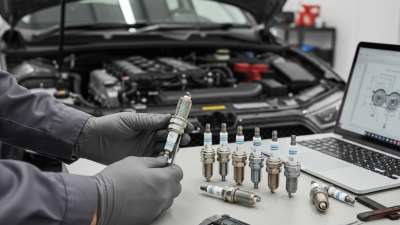
When it comes to spark plugs, understanding the different types is crucial. Copper spark plugs are the most basic option. They have a short lifespan, often lasting around 20,000 miles. Though they provide good performance, many drivers find they need to replace them more frequently.
Platinum spark plugs offer improved longevity. They can last up to 100,000 miles, making them a popular choice. Their performance is better under high temperatures. However, they may be more expensive initially. Some people worry about their performance in colder weather.
Iridium spark plugs are considered the best option for modern vehicles. They last even longer than platinum, often exceeding 100,000 miles. Their firing capability is superior, leading to better fuel efficiency. However, they come at a higher cost. Many consumers hesitate to spend more upfront. Assessing how often you drive can influence your choice. Each type has its benefits and drawbacks.
Examining the Heat Range: How It Affects Engine Performance and Efficiency
Choosing the right spark plugs involves considering several factors, one of which is the heat range. The heat range indicates how quickly the spark plug can dissipate heat. A spark plug that is too hot can lead to pre-ignition, damaging the engine. On the other hand, a plug that is too cold may foul quickly, leading to poor performance.
Understanding the relationship between heat range and engine performance is crucial. An engine running too hot loses efficiency. This can cause knocking and reduced power. Conversely, using a cooler plug might save your engine but can lead to misfiring and rough idling. It is essential to find a balance based on your vehicle’s specifications and driving conditions.
Sometimes, vehicle owners overlook the importance of heat ranges. They may choose based purely on appearance or price. This decision can lead to unexpected issues down the line. Researching and consulting with experts can help avoid these pitfalls. It’s worth taking the time to understand how your specific engine interacts with spark plug heat ranges. This can ultimately enhance both performance and longevity.
Impact of Heat Range on Engine Performance and Efficiency
The Importance of Gap Size: Ensuring Optimal Ignition and Combustion
The gap size of spark plugs plays a crucial role in engine performance. A proper gap allows for optimal ignition. If the gap is too wide, the spark may not ignite fuel efficiently. Conversely, a gap that’s too narrow can lead to misfires. Both issues can cause a decline in fuel efficiency.
To measure the gap, use a feeler gauge. This tool provides accurate readings. Adjusting the gap can enhance combustion. However, too much adjustment may lead to issues. It’s essential to find a balance.
Regular checks on spark plug gaps should not be overlooked. Neglecting this aspect can impact engine longevity. Some vehicle owners realize the importance only after facing problems. We should pay more attention to these small components. They can have a significant effect on overall vehicle performance.
Selecting Spark Plugs Based on Engine Specifications and Manufacturer Recommendations
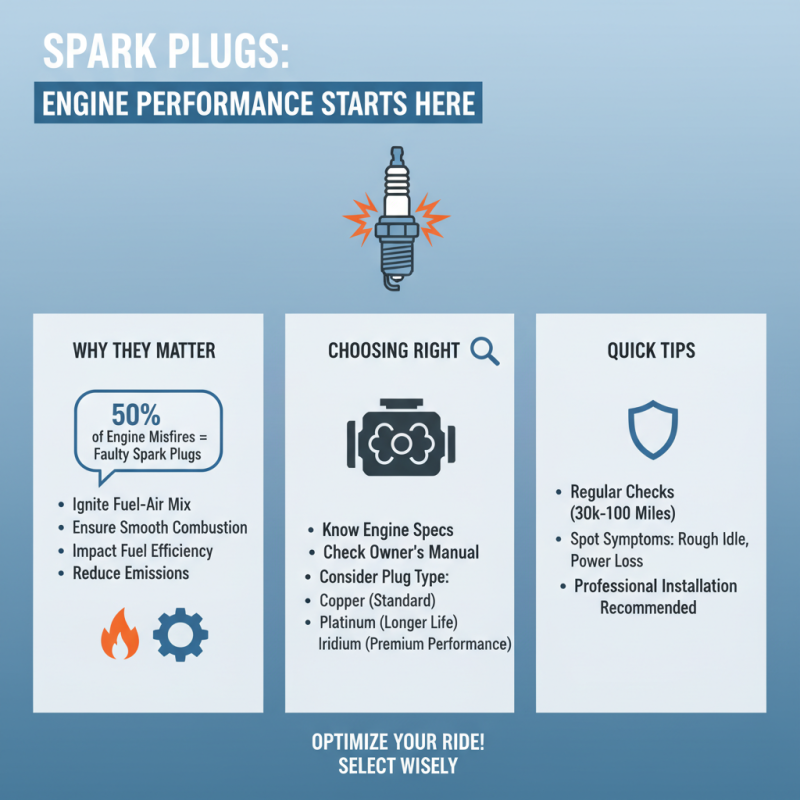
Choosing the right spark plugs for your vehicle is crucial. An engine’s performance greatly relies on these small yet significant components. According to industry reports, nearly 50% of engine misfires occur due to faulty spark plugs. Understanding your engine specifications is vital for selecting the appropriate type.
Each vehicle has unique requirements based on its engine design. Ignoring manufacturer recommendations could compromise efficiency. Research indicates that the right spark plugs can enhance fuel economy by up to 10%. For example, using platinum or iridium plugs may improve ignition performance in high-compression engines. However, not all engines benefit equally from these premium options.
Installation can be straightforward, but care is needed. Too tight or too loose installations can lead to issues. Regular checks are necessary. Spark plugs can wear out faster than expected, with some showing signs of fatigue after just 30,000 miles. Knowing these details ensures you maintain your vehicle’s health. Make informed choices based on facts, and always consult your vehicle's manual for optimal guidance.
Identifying Signs of Wear and Knowing When to Replace Spark Plugs
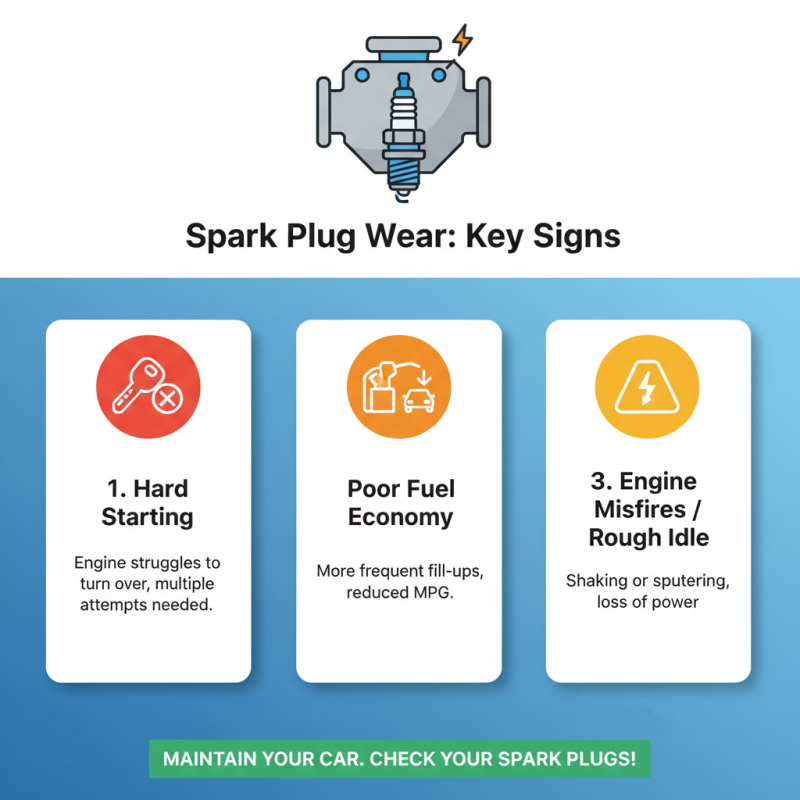
Spark plugs play a crucial role in your vehicle’s engine performance. Over time, they can wear down and affect how well your vehicle runs. Identifying the signs of wear is essential for maintaining your car. A common sign is difficulty starting the engine. If you find yourself turning the key multiple times, it’s time to check your spark plugs.
Another indicator is unusual engine behavior. If your car is misfiring or running rough, this could point to worn spark plugs. You may also notice a decrease in fuel efficiency. If you’re filling up the tank more often, faulty spark plugs could be the culprit. Additionally, check for any visible damage. Look for cracks or heavy carbon buildup on the plug.
Ignoring these signs can lead to more significant problems. Engine misfires can harm other components. If you’re experiencing any of these issues, it's wise to assess your spark plugs. Regular inspection can save you from costly repairs in the long run. Pay attention to your vehicle's performance. Notice the small changes; they can help you make the right decisions promptly.