Why Choose a Fluid Pump for Your Industrial Applications?
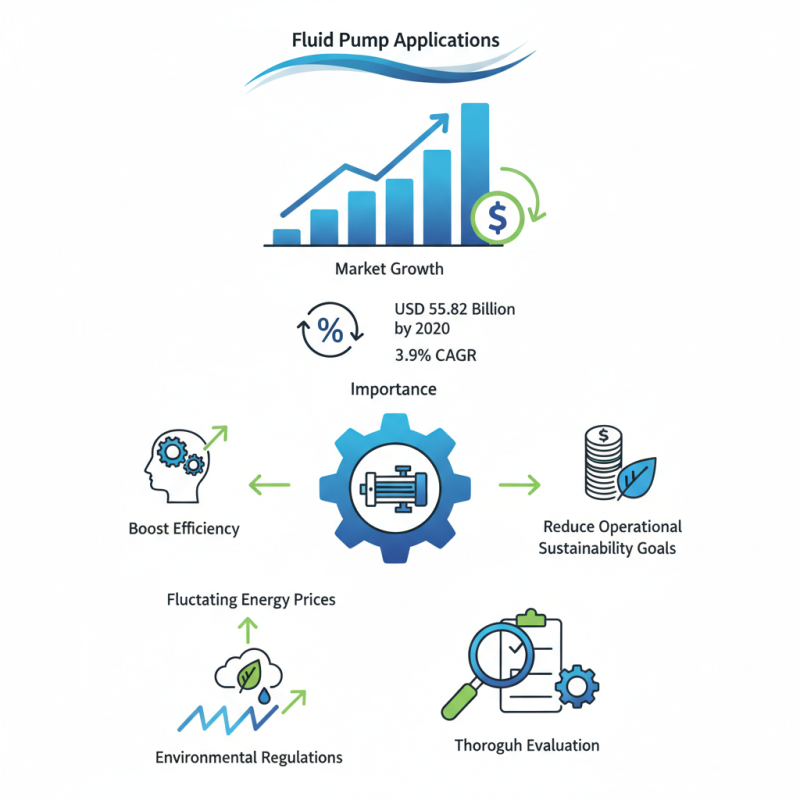
In the evolving landscape of industrial applications, the choice of a fluid pump plays a critical role. According to a 2022 market report from Grand View Research, the fluid pump industry is projected to reach USD 55.82 billion by 2030, with an annual growth rate of 3.9%. This data highlights the increasing reliance on fluid pumps for various operations, from chemical processing to water management.
Expert James Thompson, a fluid dynamics specialist, emphasizes the pump's importance: "Choosing the right fluid pump can boost efficiency and reduce operational costs." This insight underscores the necessity of selecting suitable equipment tailored to specific operational needs.
However, the industry must confront challenges. Factors like fluctuating energy prices and environmental regulations can impact fluid pump performance. Therefore, a thorough evaluation is essential. Understanding these dynamics can lead to better decisions in selecting fluid pumps that meet both operational demands and sustainability goals.
Benefits of Using Fluid Pumps in Industrial Settings
Fluid pumps play a vital role in industrial applications. They efficiently move liquids and slurries, ensuring smooth operations. One significant advantage is their versatility. Fluid pumps can handle various materials, from water to viscous oils. This adaptability makes them essential in different sectors.
Operating fluid pumps can be tricky. They require regular maintenance to avoid breakdowns. Neglecting this can lead to costly downtimes. It's crucial to monitor performance and check for wear regularly. Plan routine inspections to catch issues early. This approach can extend the pump's life.
Consider ease of integration when choosing a pump. A compatible system can minimize disruption. Evaluate the space available and the required power supply. Sometimes, less powerful pumps perform better for specific tasks. Always weigh the benefits against the costs. This reflection can lead to smarter choices.
Types of Fluid Pumps Suitable for Industrial Applications
Fluid pumps are crucial in industrial applications. They handle various liquids, including water, oil, and chemicals. Different types of fluid pumps serve unique purposes, making it important to choose the right one.
Centrifugal pumps are popular in many industries. They are efficient and provide high flow rates. These pumps work well for thin liquids and are easy to maintain. However, they aren’t ideal for viscous fluids. Positive displacement pumps are another option. They excel in delivering precise volumes of thick liquids. These pumps can manage high pressures but may require more maintenance.
In real-world scenarios, selecting the right pump can be challenging. Not every pump fits every application. Each type has its strengths and weaknesses. Understanding your specific needs is essential. This reflection helps avoid costly mistakes in purchasing and operation. Proper research can lead to improved efficiency and reduced downtime in your industrial processes.
Fluid Pump Types in Industrial Applications
Key Factors to Consider When Selecting a Fluid Pump
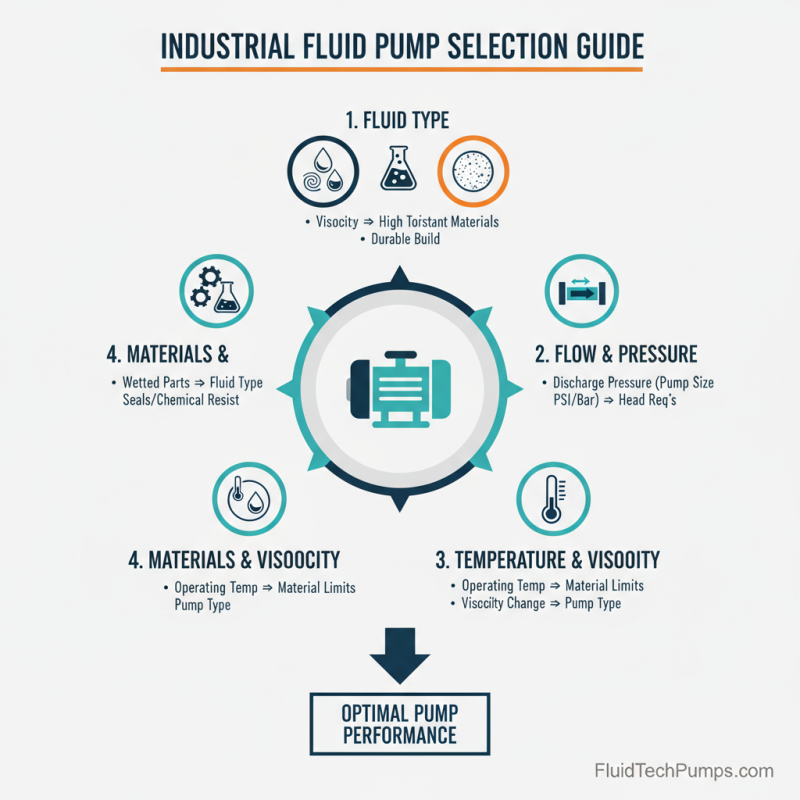
Selecting the right fluid pump for industrial applications involves several critical factors. Firstly, consider the type of fluid. Is it viscous, corrosive, or abrasive? Each fluid has specific characteristics that impact pump performance. For example, a viscous fluid may require a pump designed for high torque, while corrosive fluids necessitate materials that resist deterioration.
Next, assess the required flow rate and pressure. How much fluid do you need to move? Understanding the flow rate helps in choosing a pump that can meet operational demands. If the specifications are not clear, inefficiencies can crop up. This can lead to downtime and increased costs.
Another aspect to consider is the pump's maintenance needs. Some pumps require frequent servicing, while others are more resilient. It’s essential to think about your team's expertise and the potential for operational disruption. Balancing these criteria can be challenging but ultimately leads to better performance and reliability in your industrial processes.
Maintenance Best Practices for Industrial Fluid Pumps
When selecting a fluid pump for industrial applications, maintenance practices are crucial. Regular maintenance ensures optimal performance and prolongs the pump's lifespan. According to a recent industry report, effective maintenance can reduce unexpected downtime by as much as 30%. This statistic highlights the importance of proactive care.
Tips: Inspect seals monthly. Replace worn components immediately. This simple step can prevent larger issues down the line.
Fluid pumps are often subject to wear and tear. Monitoring temperature and pressure regularly is vital. Deviations can indicate underlying problems. Addressing these issues sooner rather than later can save significant costs. The average repair cost for fluid pumps can exceed 20% of the initial purchase price if not managed effectively.
Tip: Keep a maintenance log. Documenting each service can help identify patterns. Use this data to refine your maintenance schedule. Remember, every pump needs attention, so be proactive. Don’t wait for a breakdown to act.
Why Choose a Fluid Pump for Your Industrial Applications? - Maintenance Best Practices for Industrial Fluid Pumps
| Dimension |
Description |
Maintenance Best Practices |
| Flow Rate |
The volume of fluid that can be moved by the pump in a given time |
Regularly check the flow rate and ensure it meets operational requirements |
| Pressure |
The force per unit area within the fluid system |
Monitor pressure gauges and valves for leaks and performance issues |
| Viscosity |
A measure of a fluid's resistance to flow |
Maintain optimal pump performance by ensuring proper viscosity levels |
| Temperature |
The operational temperature of the fluid being pumped |
Regularly check the operating temperature and ensure it does not exceed limits |
| Seal Condition |
Integrity of the seals preventing fluid leakage |
Inspect and replace seals periodically to prevent leaks |
Applications of Fluid Pumps Across Various Industries
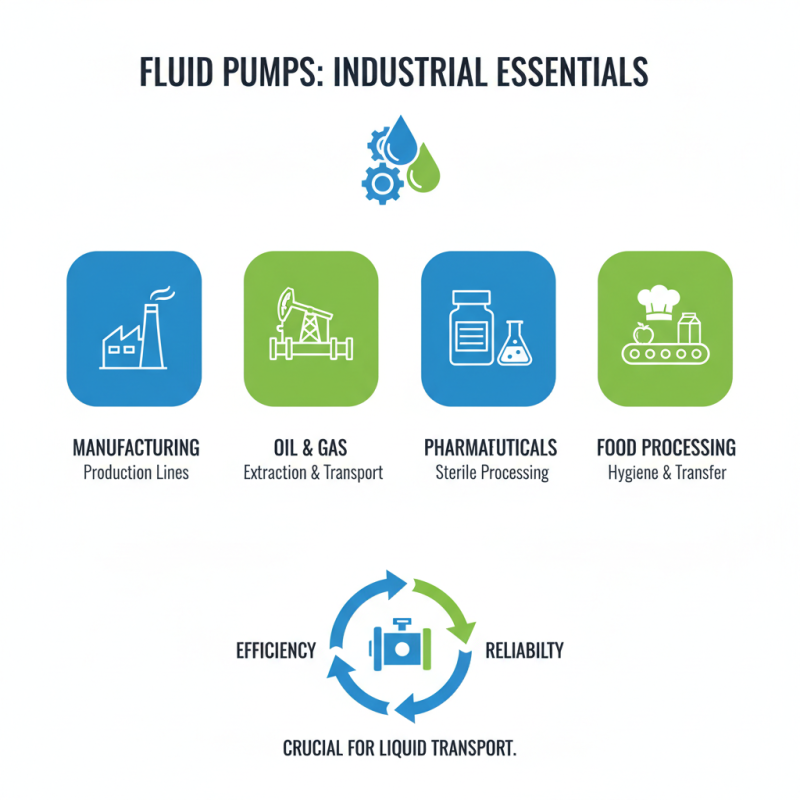
Fluid pumps play a crucial role in many industries. They are essential for transporting liquids in manufacturing, oil and gas, pharmaceuticals, and food processing. In these sectors, efficiency and reliability are vital.
In manufacturing, fluid pumps ensure smooth production flows. They move coolants and lubricants, helping machines run smoothly. In oil and gas, pumps transport crude oil from extraction sites to refineries. Delays can be costly, so these pumps need to perform consistently.
**Tip:** Regular maintenance can prevent breakdowns. Schedule routine checks to keep pumps running efficiently.
In pharmaceuticals, accurate dosing is critical. Fluid pumps help mix ingredients precisely. In food processing, they ensure liquid ingredients are delivered at the right temperature. Yet, not all pumps are created equal. Selecting the wrong type can lead to issues like contamination or inefficiency.
**Tip:** Evaluate the specific needs of your application before choosing a pump.
Fluid pumps are versatile. However, understanding their applications across industries is essential. Investing time in research can save significant time and cost in the long run.