What is a Fuel Pump and How Does It Work?
Fuel pumps are critical components in modern vehicles, ensuring the efficient delivery of fuel to the engine. According to a report by Grand View Research, the fuel pump market is expected to reach $14.5 billion by 2027, highlighting its importance in automotive design and performance. These devices can be categorized into mechanical and electrical types, each with distinct functionalities and applications.
The proper functioning of fuel pumps impacts fuel efficiency, engine performance, and emissions. For instance, a worn-out fuel pump can lead to decreased fuel flow, resulting in poor engine performance and increased emissions. It’s essential for vehicle owners to understand how these pumps operate and recognize the signs of failure. Common issues include unusual noises or difficulty starting the engine, which can indicate a need for replacement.
Despite advancements in fuel pump technology, challenges persist. Regular maintenance is often overlooked, which can lead to costly repairs down the line. Consumers may not fully appreciate the importance of fuel pumps until an issue arises. Understanding their role can empower vehicle owners to take better care of their automobiles, thereby enhancing longevity and reliability.
What is a Fuel Pump? An Overview of Its Importance in Vehicles
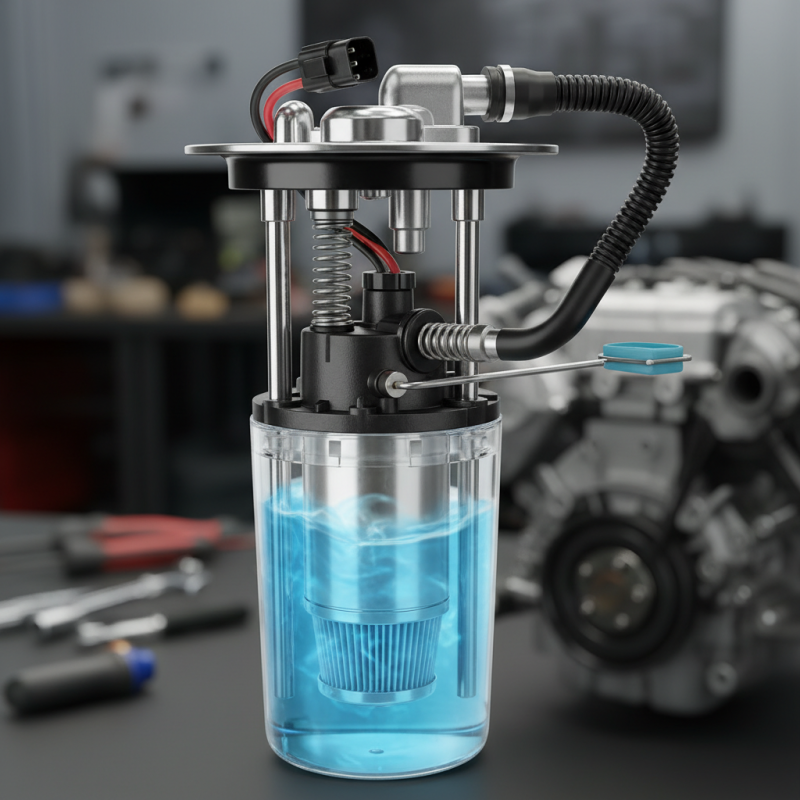
A fuel pump is a critical component in a vehicle's fuel system. It ensures that fuel flows from the tank to the engine, allowing combustion. According to the U.S. Department of Transportation, approximately 10% of roadside breakdowns are due to fuel system failures. This statistic highlights the importance of a well-functioning fuel pump.
There are two main types of fuel pumps: mechanical and electric. Mechanical pumps are often found in older vehicles, while electric pumps dominate in most modern cars. Electric fuel pumps are more efficient and provide better fuel pressure, enhancing overall engine performance. A study by the Automotive Research Association found that vehicles with high-quality electric pumps show a 15% increase in fuel efficiency compared to those using older technology.
Regular maintenance of the fuel pump is vital. Clogged filters and contaminated fuel can lead to pump failure. Signs of issues include unusual noises or decreased engine power. Ignoring these signs can lead to costly repairs. It's essential to conduct periodic inspections and follow manufacturer guidelines to maintain reliability in fuel delivery.
The Functionality of Fuel Pumps: How They Supply Fuel to the Engine
Fuel pumps are crucial components in modern vehicles, responsible for delivering gasoline or diesel from the tank to the engine. They operate by generating the necessary pressure to push fuel through the fuel lines. Typically, they maintain a consistent supply, ensuring engines receive the right amount needed for efficient combustion. According to a recent industry report, nearly 25% of fuel delivery issues in vehicles stem from malfunctioning fuel pumps.
Different types of fuel pumps exist, including mechanical and electrical versions. Mechanical pumps are often found in older vehicles, while electric pumps dominate in contemporary designs. These pumps are engineered to work seamlessly, but wear and tear can lead to performance issues. The average lifespan of a fuel pump ranges from 100,000 to 200,000 miles, yet many drivers ignore the signs of impending failure. Symptoms may include sputtering or stalling of the engine, often leading drivers to overlook the importance of regular maintenance.
Moreover, the efficiency of fuel pumps directly impacts overall vehicle performance and fuel economy. Reports indicate that a faulty fuel pump can reduce fuel efficiency by up to 30%. Nevertheless, many vehicle owners underestimate the significance of their fuel system. Regular inspections are essential for ensuring optimal function and preventing costly repairs. Failing to address minor issues with fuel delivery can lead to greater problems down the road, highlighting an area often neglected by drivers.
Types of Fuel Pumps: Comparing Mechanical and Electric Systems
Fuel pumps play a critical role in automotive systems, ensuring efficient fuel delivery. There are two primary types: mechanical and electric fuel pumps. Each type has its unique features and functions.
Mechanical fuel pumps have been traditionally used in older vehicles. They rely on an engine-driven diaphragm to draw fuel from the tank. This system can provide a steady flow but may struggle at higher speeds. A study by the Society of Automotive Engineers (SAE) indicates that 30% of mechanical pumps fail due to wear over time. This poses questions about reliability in demanding environments.
Electric fuel pumps, on the other hand, have gained popularity in modern cars. They operate via an electric motor that presses fuel into the engine at high pressure. Their efficiency is notable, as electric systems can increase fuel flow by up to 15%. However, these pumps are susceptible to overheating, especially under heavy loads. Additionally, about 25% of failures are attributed to electrical issues, raising concerns about voltage fluctuations and circuit integrity. Choosing the right type of fuel pump requires understanding these potential vulnerabilities.
Fuel Pump Specifications: Understanding Pressure and Flow Rates
The fuel pump is a crucial component in any vehicle’s fuel system. It is responsible for transporting fuel from the tank to the engine. Understanding its specifications, particularly pressure and flow rates, is essential for optimal performance.
Pressure is measured in pounds per square inch (PSI). Most fuel pumps operate between 35 to 75 PSI. This pressure ensures that the fuel reaches the injectors at the right force. Flow rate, expressed in gallons per hour (GPH), indicates how much fuel the pump can deliver. High-performance engines typically require higher flow rates to function effectively.
It’s important to note that not all fuel pumps are created equal. Some may underperform due to wear or improper specifications. Choosing the right pump means considering your engine’s requirements. An inadequate fuel supply can lead to engine misfires or stalling. Thus, selecting a pump that meets pressure and flow needs is vital for reliable vehicle operation. Always ensure compatibility with your specific vehicle model for the best results.
Fuel Pump Pressure and Flow Rate Comparison
This chart illustrates the relationship between fuel pump pressure (measured in PSI) and flow rate (measured in GPH) for various fuel pumps. Understanding these specifications is crucial for optimizing fuel delivery in automotive applications.
Common Issues with Fuel Pumps: Signs of Failure and Preventive Maintenance
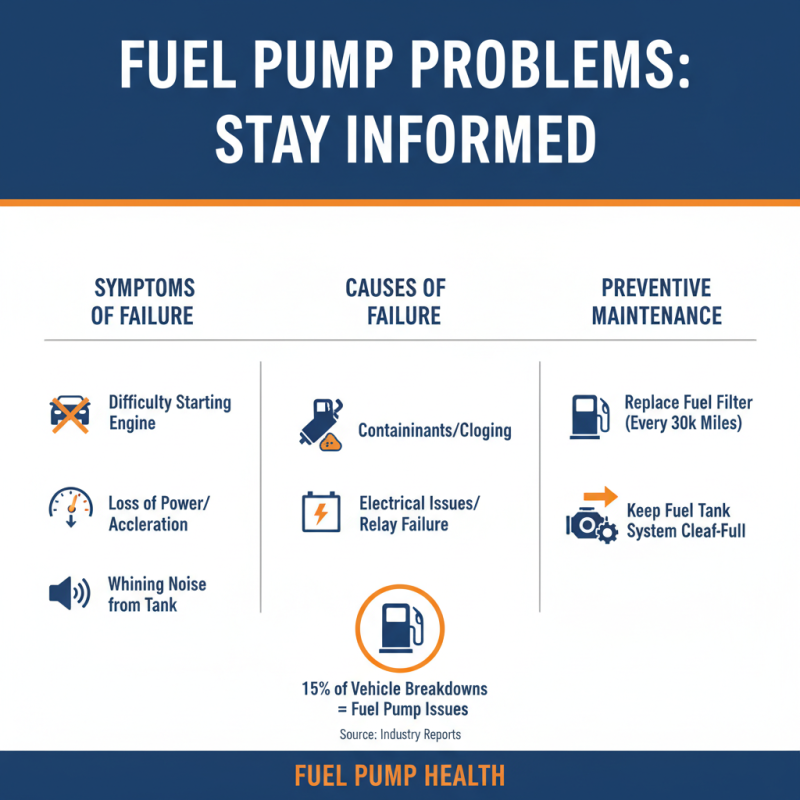
Fuel pumps are crucial for delivering gasoline from the tank to the engine. However, they can develop issues over time. Common signs of fuel pump failure include difficulty starting the engine, a noticeable drop in power, or unusual noise from the fuel tank. According to industry reports, approximately 15% of vehicle breakdowns are related to fuel pump issues.
Preventive maintenance can extend the life of your fuel pump. Regularly check the fuel filter and replace it as needed. A clogged filter can increase pressure on the pump, leading to premature failure. Keeping the fuel tank at least a quarter full can also help, as it prevents the pump from overheating. Fuel pumps function optimally when they are cooled by the gasoline surrounding them.
Tips: Listen for strange sounds. If you hear whirring or whining, get it checked. Monitor your fuel efficiency; a sudden decrease could indicate a fuel pump issue. Don't ignore dashboard warning lights, as they often signal potential problems before they become serious. Regular inspections can save you from costly repairs.