7 Fuel Pump Tool Buying Tips for Global Buyers
Global buyers often purchase automotive tools across unfamiliar markets, suppliers, and vehicle systems. Product descriptions may look convincing, yet small differences can create serious fitting problems. A fuel pump tool must match the intended pump ring, vehicle application, and workshop procedure. The right choice saves time, protects components, and supports safer repairs.
This guide presents seven practical buying tips for international purchasers. It considers compatibility, material strength, handle design, packaging, documentation, and supplier communication. Real workshop conditions matter. A technician may work beneath a vehicle, use limited lighting, or face a tightly sealed retaining ring. A strong steel tool with a stable grip can perform better than a cheaper alternative. However, appearance alone proves little. Coating quality, jaw alignment, and measured dimensions deserve close inspection.
Reliable purchasing also requires evidence. Buyers should request clear product photos, dimension drawings, sample details, and quality records when available. They should confirm shipping terms, replacement policies, and instructions before placing larger orders. Local equipment requirements may also differ, so buyers must verify suitability with qualified technicians. Supplier experience matters, but it should not replace inspection. Ask precise questions.
Some tools fail because buyers trust generic vehicle lists too quickly. Others fail because packaging protects the box, not the tool. These are easy mistakes, but they remain costly. Even experienced purchasers can overlook thread size or working clearance. This guide encourages careful comparison, practical testing, and honest reflection before commitment. Use the tips as a working checklist, not as a guarantee. Good decisions begin with details.
Define the Fuel Pump Tool’s Intended Application
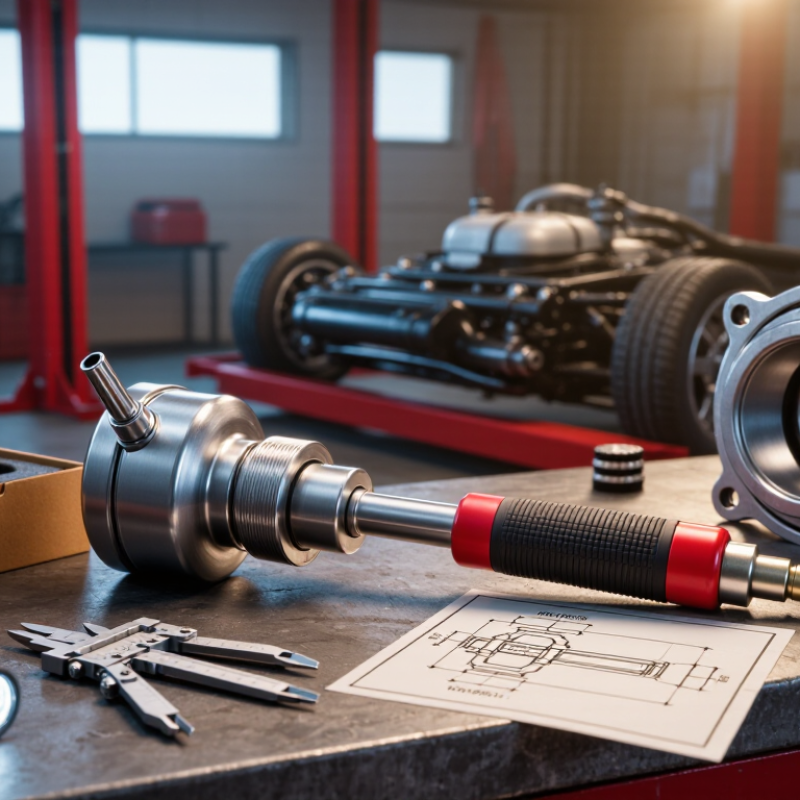
Before buying a fuel pump tool, define exactly where and how it will be used. A tool for passenger vehicles may not suit commercial tanks, agricultural equipment, or motorcycles. Identify the pump design, access location, connector style, and expected service frequency. A workshop tool may need interchangeable adapters and reinforced handles. A roadside kit may need compact storage and simple operation. These details shape the correct purchase.
Match the tool with the job, not merely the product photograph. Fuel pressure testing requires a gauge with a suitable range, readable markings, and secure hoses. Pump removal may require a locking-ring socket, tank access equipment, or lifting support. Check material resistance, heat tolerance, and measurement accuracy before ordering. Ask for technical drawings and operating limits when specifications seem vague. Small gaps can cause expensive delays.
From field experience, buyers sometimes choose universal tools too quickly. Universal sounds convenient. It is not always precise. I once saw an adapter fit the connector but fail under repeated movement. That mistake changed the inspection checklist. Test compatibility with the actual vehicle list, storage conditions, and technician skill level. Leave room for training and replacement parts. A reliable tool should reduce risk, explain its limits, and perform consistently after careful maintenance.
Fuel Pump Tool Buying Guide: Match the Tool to the Intended Application
Fuel pump tools should be selected according to the fuel-system type and its operating pressure. Low-pressure gauges and adapters are suitable for conventional gasoline and diesel supply systems, while gasoline direct-injection and diesel common-rail systems require high-pressure equipment with compatible fittings and sensors.
Representative fuel-system pressure ranges: conventional gasoline port injection typically operates around 0.3–0.4 MPa, low-pressure diesel supply systems around 0.3–0.6 MPa, gasoline direct injection around 5–20 MPa, and diesel common-rail systems around 30–250 MPa. Always verify the vehicle service specification before testing.
Check Compatibility Across Vehicle Types and Fuel Systems
Fit comes first. Global buyers should match the tool with the vehicle type, model year, engine, and tank design. OICA reported 93.5 million motor vehicles were produced worldwide in 2023. That scale means “universal” claims deserve caution. Check whether the tool suits passenger cars, trucks, motorcycles, or commercial vans. Confirm access through the tank opening, not only the pump’s listed diameter.
Seven checks help reduce mistakes: measure lock-ring size, verify thread direction, inspect jaw depth, confirm material strength, check access angles, review fuel-system type, and match regional service procedures. Petrol, diesel, flex-fuel, and high-pressure systems may use different fittings. Hybrid vehicles require extra care. The IEA reported nearly 14 million electric car sales in 2023, so a fuel-pump tool may be irrelevant for fully electric vehicles. Read the service manual. Closely.
Professional reports often simplify compatibility. Real workshops do not. A 2024 aftermarket service survey from a major industry research publisher found vehicle age and powertrain diversity remain key repair challenges. Treat that as a warning, not a guarantee. Select corrosion-resistant tools for humid markets, and insulated handles where manufacturer procedures require them. I once assumed two similar lock rings needed the same adapter. They did not. That small error cost time and damaged confidence. Ask for dimensional drawings, tested application lists, and replacement-part availability before ordering. Reference: OICA 2023 production statistics; IEA Global EV Outlook 2024.
Evaluate Material Quality, Accuracy, and Safety Features
When buying a fuel pump tool internationally, material quality deserves close inspection. I have handled tools that looked strong but developed cracks near the jaws. Choose hardened steel for load-bearing parts and fuel-resistant polymers for seals and grips. Ask for material specifications, corrosion testing, and batch traceability. A polished surface is not proof of durability.
Accuracy also affects safe service work. Check the tool’s stated tolerance, adjustment range, and calibration method. Measurement marks should remain clear after repeated cleaning. For pressure-related tools, confirm the rated range matches the vehicle system. An adapter that fits loosely can create false readings. That mistake wastes time.
Safety features need practical value, not decoration. Look for locking mechanisms, insulated handles, secure hose connections, and pressure-release controls. Components should resist common fuel exposure and temperature changes. Request clear instructions in a language your technicians understand. Verify that the product documentation supports local workplace requirements. I once trusted a universal adapter without testing its seal; it passed a dry check but leaked during use. That experience changed my inspection routine. I now test fit, movement, and sealing before approving any shipment. Some suppliers may provide impressive certificates, yet omit calibration dates or replacement-part details. Treat missing information as a warning, not a minor inconvenience.
Confirm Shipping, Warranty, Support, and Replacement Policies
7 Fuel Pump Tool Buying Tips for Global Buyers
A fuel pump tool can look affordable until shipping details change the final cost. Before ordering, ask for packed dimensions, gross weight, export documents, and estimated transit time. Request the shipping method in writing. Air freight may arrive quickly, but oversized cartons can create unexpected charges. Sea freight costs less in many cases, yet port delays can interrupt a repair schedule. I learned this after treating an estimated delivery date as a promise. That assumption was careless.
A clear warranty should state the coverage period, accepted defects, inspection process, and response time. Check whether labor, return freight, seals, or damaged accessories are included. Ask how the seller handles a tool that fails during its first use. A practical support team should provide setup instructions, troubleshooting steps, and safe testing guidance. Send questions before payment and save every reply. Fast answers matter. Still, written support cannot replace a realistic inspection procedure.
Replacement policies deserve equal attention, especially when local returns are expensive or slow. Confirm who pays return shipping and whether a replacement ships before the defective unit arrives. Ask about replacement parts, packaging requirements, and the deadline for reporting damage. Photograph the carton, labels, and tool condition when delivery arrives. For international orders, confirm that voltage, connectors, and supplied accessories match your workshop setup. I sometimes focus too much on the tool itself. Keep the policy beside the invoice until the tool passes a real bench test.