What is the Function of Oil Pumps in Automotive and Industrial Applications?
Oil pumps play a critical role in both automotive and industrial sectors. They ensure proper lubrication and cooling of engine and machinery components. According to a report by MarketsandMarkets, the global oil pump market is projected to reach USD 3.9 billion by 2027, growing at a CAGR of 5.3%. This growth highlights the increasing demand for efficient oil management systems.
These pumps function to circulate oil, maintaining optimal viscosity and flow rates. Their effectiveness directly impacts engine performance and longevity. In automotive applications, oil pumps prevent wear and tear, ultimately extending service life. Industrial applications rely on oil pumps for machinery efficiency and reduced downtime. However, not all oil pumps meet stringent industry standards. Some may fail under high-pressure conditions.
The reliability of oil pumps hinges on quality design and materials. Proper maintenance is also essential. Users often overlook the impact of oil pump quality on overall system performance. This oversight can lead to unexpected failures, costing organizations time and money. A deeper understanding of oil pumps is vital for engineers and technicians seeking to improve system reliability and performance.

Overview of Oil Pumps in Automotive and Industrial Settings
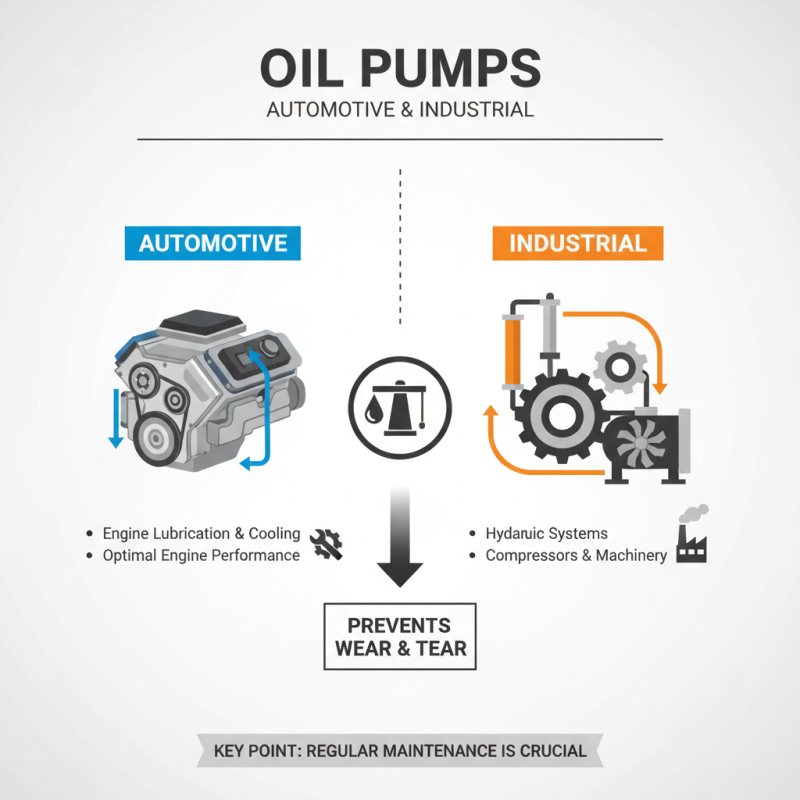
Oil pumps play a crucial role in both automotive and industrial applications. They are responsible for circulating oil throughout engines and machinery. This process ensures proper lubrication and cooling, which helps prevent wear and tear. In vehicles, oil pumps help maintain optimal engine performance. In industrial settings, they support various machinery types, from hydraulic systems to compressors. Regular maintenance of these pumps is essential to ensure their effectiveness.
Different types of oil pumps are used depending on the specific application. They can vary significantly in design and function, such as gear pumps, vane pumps, and diaphragm pumps. Selection depends on factors like viscosity and pressure requirements. Understanding these details can help in choosing the right pump for a specific task.
While oil pumps generally operate smoothly, issues can arise over time. Common problems include leaks and pressure drops. These can lead to insufficient lubrication and potential damage. Identifying the early signs of failure is crucial for preventing costly repairs. Maintenance practices, like regular checks, can help prolong the life of oil pumps. However, many overlook this aspect, risking significant machinery downtime.
Types of Oil Pumps Used in Automotive Applications
Oil pumps play a critical role in automotive applications, ensuring proper lubrication and cooling of engine components. There are several types of oil pumps commonly used in vehicles. The most prevalent are gear pumps, vane pumps, and diaphragm pumps. Each type has its unique design and working principle, catering to different engine requirements.
Gear pumps are the most frequently used in cars. They are efficient and reliable, providing a steady flow of oil. Reports indicate that gear pumps account for over 70% of the oil pumps used in modern automotive designs. Their simplicity allows for easy maintenance, which is a significant factor for vehicle manufacturers and mechanics.
In contrast, vane pumps are less common but offer advantages in specific applications. They can maintain a consistent flow rate, even under varying pressure conditions. However, they may not provide the same durability as gear pumps. Studies show that while vane pumps can work well in lower horsepower engines, they are not ideal for high-performance vehicles.
Diaphragm pumps are also notable, particularly in specific industrial applications. They offer excellent leak-proof operation and are typically used in systems requiring precise control. However, they can be more complex to maintain, which can deter some users. Each oil pump type serves different needs within the automotive sector, yet their effectiveness can greatly depend on the intended application and design considerations.
What is the Function of Oil Pumps in Automotive and Industrial Applications? - Types of Oil Pumps Used in Automotive Applications
| Type of Oil Pump |
Application |
Advantages |
Disadvantages |
| Gear Pump |
Automotive engines |
High pressure, Simple design |
Limited flow rate range |
| Vane Pump |
Hydraulic systems |
Smooth operation, Good efficiency |
More complex than gear pumps |
| Rotary Pump |
Lubrication systems |
Consistent flow, Variable speed |
Can be complex to maintain |
| Diaphragm Pump |
Fuel systems |
Self-priming, Sealed design |
Lower pressure capabilities |
| Screw Pump |
Industrial applications |
Constant flow, High viscosity handling |
Higher initial cost |
Types of Oil Pumps Used in Industrial Applications
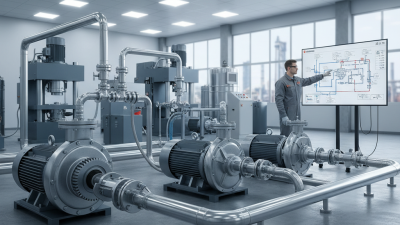
Oil pumps play a critical role in various industrial applications. They ensure the smooth circulation of oil for lubrication and cooling in engines and machinery. Different types of oil pumps cater to specific requirements, each with unique designs and functionalities.
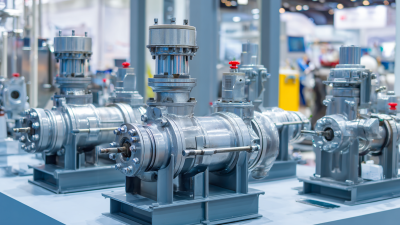
Positive displacement pumps are common in industrial settings. They move oil by trapping a fixed amount and forcing it into the discharge pipe. This design allows for consistent flow rates, even under varying pressure conditions. On the other hand, gear pumps are widely used due to their simplicity and reliability. They are effective in transferring viscous fluids. However, they may wear out over time, affecting performance.
Centrifugal pumps are another type often found in large-scale operations. They are effective for low-viscosity fluids. Yet, they require a constant supply of fluid to operate efficiently. Some operators overlook this need, leading to issues. Understanding these types helps optimize performance and extends equipment life. Knowledge of their functions can improve maintenance strategies and reduce unintended downtime.
Oil Pump Types in Automotive and Industrial Applications
This chart illustrates the distribution of various types of oil pumps commonly used in automotive and industrial applications. Each type plays a crucial role in maintaining optimal engine performance and machinery efficiency.
Working Principles of Oil Pumps in Engine Systems
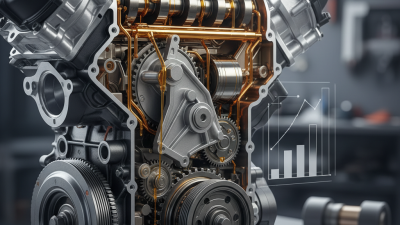
Oil pumps play a critical role in both automotive and industrial settings. They are essential in maintaining proper lubrication within engine systems. The function of an oil pump includes circulating oil throughout the engine, ensuring all moving parts receive adequate lubrication. This process minimizes friction, reducing wear and tear on components. According to a report by the Society of Automotive Engineers, nearly 40% of engine failure can be attributed to inadequate lubrication.
The working principles of oil pumps are based on several mechanisms. Gear pumps, for example, use rotating gears to move oil. This design enables efficient flow under varying conditions. Other types, such as centrifugal pumps, utilize rotational energy to create suction. Reports suggest that these pumps can achieve oil flow rates exceeding 250 liters per minute in heavy-duty applications. However, there are challenges, such as maintaining the right viscosity at different temperatures. An oil pump may struggle with cold starts, leading to insufficient lubrication.
In modern engines, electronic oil pumps are becoming common. They adjust oil flow based on real-time conditions. This adaptability can enhance fuel efficiency and reduce emissions. However, reliance on technology raises concerns about failure rates. Research indicates that nearly 15% of electronic components may fail within their first two years. This statistic underscores the importance of regular maintenance and checks. Ensuring the reliability and efficiency of oil pumps remains a top priority in the automotive and industrial sectors.
Importance of Oil Pumps for Equipment Longevity and Performance
Oil pumps play a critical role in ensuring the longevity and performance of both automotive and industrial machinery. These pumps circulate oil to lubricate engine components and various machine parts. By doing so, they help minimize friction and wear. When oil flows consistently, it enables proper cooling and reduces overheating risks. This is crucial in extending the life of equipment.
In automotive engines, oil pumps maintain optimal oil pressure. Insufficient pressure can lead to severe damage.
Often, one might overlook the necessity of regular oil changes, which can negatively impact pump efficiency. Neglecting this aspect can result in a buildup of contaminants. Such issues reduce the effectiveness of oil, emphasizing the need for vigilant maintenance.
Moreover, oil pumps in industrial applications face unique challenges. They must operate under high loads and varied temperatures. Proper pump selection and regular inspections are essential.
Over time, pump performance may decline due to wear and tear. Recognizing this can lead to proactive measures, ensuring that machinery continues to perform optimally. This awareness is vital for minimizing costly downtime and unscheduled repairs.