2026 How to Choose the Best Dry Air Filter for Your Needs?
Choosing the right dry air filter is crucial for your air quality and system performance. According to the U.S. Environmental Protection Agency, indoor air can be up to five times more polluted than outdoor air. A high-quality dry air filter can significantly reduce airborne contaminants and improve overall health.
When selecting a dry air filter, consider factors such as efficiency ratings, filter lifespan, and compatibility with your HVAC system. Studies show that filters with a higher MERV rating capture smaller particles more effectively. However, not all systems can accommodate high-MERV filters.
It’s also essential to assess your specific needs. Are you addressing allergies, pet dander, or dust? The ideal dry air filter should align with your unique circumstances. Sometimes, a more affordable option may work better for your specific usage. This consideration highlights the importance of not just focusing on brand names or filter popularity but on functionality and fit for your environment.

Understanding Dry Air Filters: Types and Functions
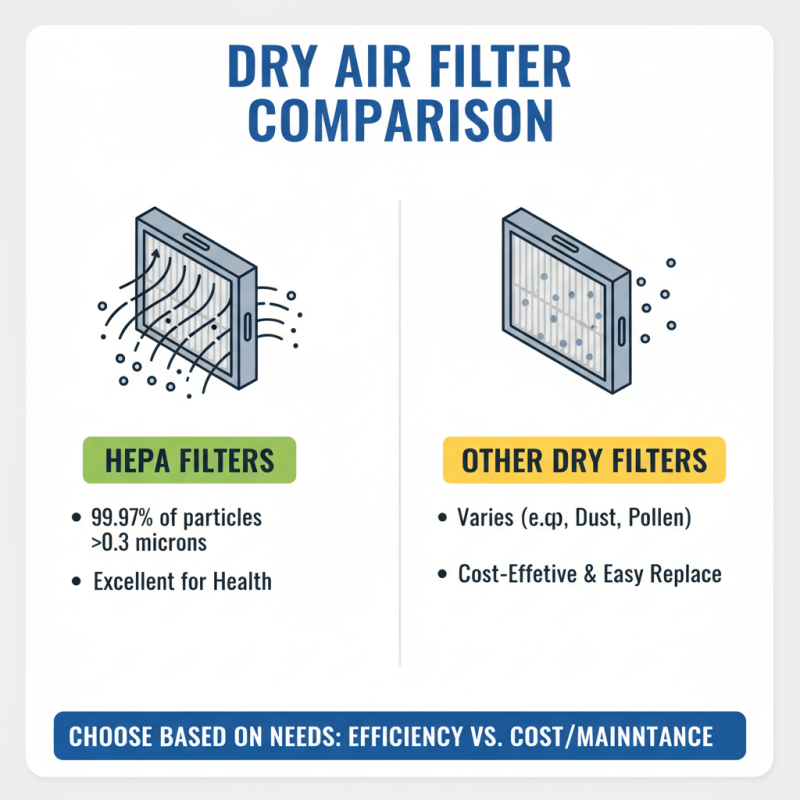
When selecting a dry air filter, understanding its types and functions is crucial. Dry air filters primarily serve to remove particulate contaminants from the air. The main types include HEPA, pleated, and activated carbon filters. HEPA filters capture 99.97% of particles as small as 0.3 microns, making them ideal for sensitive environments. However, they can be overkill for basic filtration needs.
Pleated filters offer a larger surface area and longer lifespan. They can capture a significant amount of dust and allergens. Data from the American Society of Heating, Refrigerating and Air-Conditioning Engineers (ASHRAE) indicates a 20% improvement in air quality when switching to pleated filters. It’s essential to evaluate your specific needs before making a choice. An oversight here could lead to unnecessary expenses or inadequate filtration.
Activated carbon filters are excellent for removing odors and volatile organic compounds (VOCs). However, they may not capture particulates effectively. A report from the Environmental Protection Agency (EPA) highlights that while these filters are useful in residential settings, their effectiveness diminishes over time. Choosing a filter that aligns with your environment and addressing your particular concerns is vital. The wrong selection can lead to continued air quality issues.
Factors to Consider When Choosing a Dry Air Filter
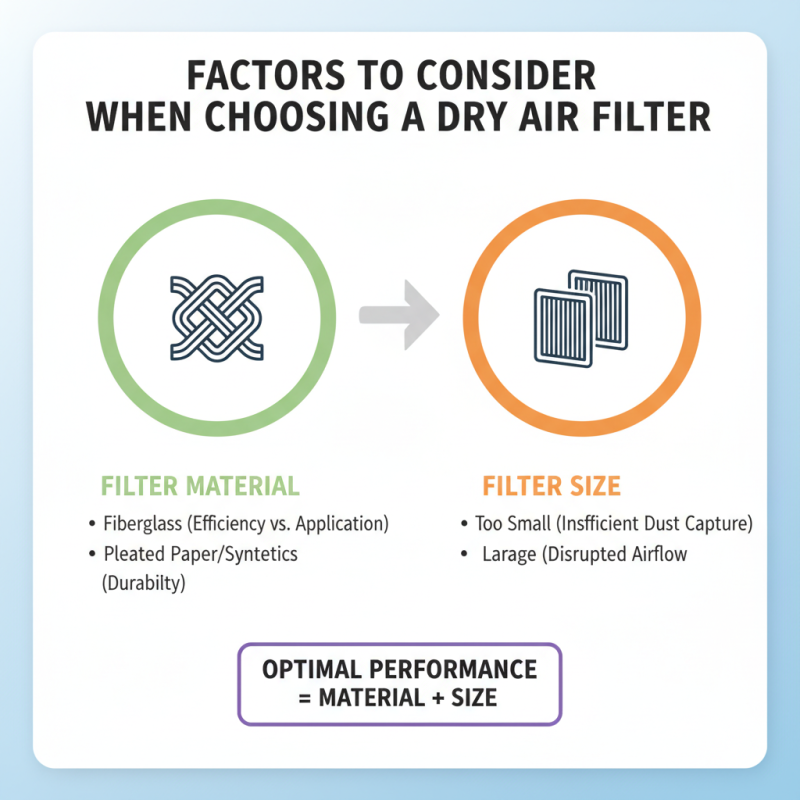
When considering a dry air filter, several factors are essential. The filter's material plays a crucial role. Fiberglass, for instance, is efficient but may not be the best for all. The size of the filter is also critical. A filter too small won't capture sufficient dust, while a larger one may disrupt airflow.
Another consideration is the air quality in your space. If you're in an area with high dust levels, a more robust filter with a higher MERV rating could be necessary. Think about the environment. Pets or allergies can heighten the need for better filtration. Also, factor in maintenance. Filters need regular replacement to function correctly. Some forget this and end up with ineffective filters.
Cost is always a concern. Higher-priced filters might promise better performance, but this isn’t always true. We often assume expensive means superior. It’s vital to research and find the right balance between cost and function. Filter selection can be overwhelming. Reflecting on specific needs can lead to better choices.
Key Specifications and Features of Dry Air Filters
When selecting a dry air filter, understanding key specifications is crucial. Look for indicators such as filter efficiency, airflow capacity, and maintenance needs. High-efficiency filters capture more contaminants, improving your air quality.
Tips for selecting the right filter: consider your environment. If you live in a dusty area, a filter with a higher MERV rating is essential. In contrast, for clean spaces, a standard filter may suffice. Evaluate how often you’ll need to replace it, as this affects long-term costs.
Don’t overlook the size and compatibility. Check your existing setup to avoid mismatches. A filter too large or small won’t perform effectively. Take time to read user reviews or consult with professionals to understand the specific needs of your space. Little details can make a significant difference in performance.
Maintenance and Replacement Tips for Dry Air Filters
Maintaining your dry air filter is crucial for optimal performance. Regular checks can help you identify when it needs cleaning or replacing. Typically, filters should be inspected every month. Dust and debris can accumulate quickly, reducing efficiency. A visibly dirty filter may need immediate attention.
Replacing filters on time is also vital. A clogged filter forces your system to work harder, wasting energy and increasing costs. Set reminders to replace them based on your usage. Most filters have a lifespan of 3 to 6 months. However, this can vary depending on factors like air quality and frequency of use.
Cleaning your dry air filter can extend its life. Use a soft brush or vacuum to remove dust. Avoid water, as it can damage the filter. If in doubt, don't hesitate to consult a professional. They can provide insights specific to your system. Regular maintenance can not only improve efficiency but also enhance air quality in your space.
Dry Air Filter Performance Comparison
This chart compares the filtration efficiency of different dry air filters based on their micron size ratings. A lower micron size indicates better filtration capability.
Comparative Analysis of Popular Dry Air Filter Brands
When selecting a dry air filter, understanding the options is key. Various filters cater to numerous needs. Data from industry reports indicate that HEPA filters capture 99.97% of particles down to 0.3 microns. This efficiency makes them reliable for avoiding health risks related to airborne contaminants. However, some users find them costly and challenging to replace.
Another popular type is activated carbon filters, which excel in odors and chemical absorption. According to research, these filters can significantly reduce volatile organic compounds (VOCs) in air. However, they may not remove particulate matter as effectively as HEPA filters. This trade-off is important when considering your specific requirements.
Tips: Evaluate your air quality needs before purchasing. Check certifications and consider the filter's lifespan. Remember, a more expensive filter may save you money in the long run by ensuring better air quality. Reflect on the installation and maintenance aspect too. Simplified solutions can sometimes lead to increased inefficiencies if not monitored properly.