Why Is Changing Your Oil Filter Important for Engine Health?
Maintaining your engine's health is crucial for its longevity. One key component in this process is the oil filter. This small part plays a vital role in ensuring that your engine runs smoothly. It captures dirt and debris, preventing them from causing damage.
An oil filter can greatly influence engine performance. If it becomes clogged, oil flow is restricted. This can lead to increased friction and heat. Over time, your engine may suffer from reduced efficiency. This simple yet essential part requires attention.
Many car owners neglect the oil filter during maintenance. They focus only on oil changes and overlook the filter's importance. Ignoring it can lead to costly repairs down the road. Reflecting on oil filter maintenance is necessary for proactive care. It is essential for your engine's success.
Understanding the Role of Oil Filters in Engine Performance
Oil filters play a crucial role in engine performance, acting as a barrier against contaminants. Dust, metal shavings, and sludge can build up in engine oil. Over time, these impurities can damage engine parts. A clean oil filter helps ensure that only clean oil circulates through the engine.
Regularly changing the oil filter is essential. If you skip this task, old oil may re-enter circulation. This can lead to increased wear and tear on engine components. The engine may run less efficiently, reducing overall performance. A clogged filter struggles to keep up. It may even restrict oil flow, leading to potential engine damage.
Many car owners overlook this step. They focus more on oil changes but neglect the filter. This can be a costly mistake. Ignoring the oil filter's importance might result in serious engine issues down the line. Understanding its role is vital for maintaining engine health. Regular maintenance is key to optimal performance.
The Importance of Regular Oil Filter Changes for Engine Longevity
Regular oil filter changes are vital for engine longevity. The oil filter removes contaminants and debris from engine oil. When it gets overloaded, it can lead to dirty oil circulating in the engine. Dirty oil fails to lubricate properly. This can cause overheating and increased wear on engine parts.
Changing the oil filter regularly helps maintain clean oil. Clean oil ensures that moving parts function smoothly. Over time, neglecting this simple task may result in significant issues. Your engine may require costly repairs down the line. It’s a small commitment for long-term benefits.
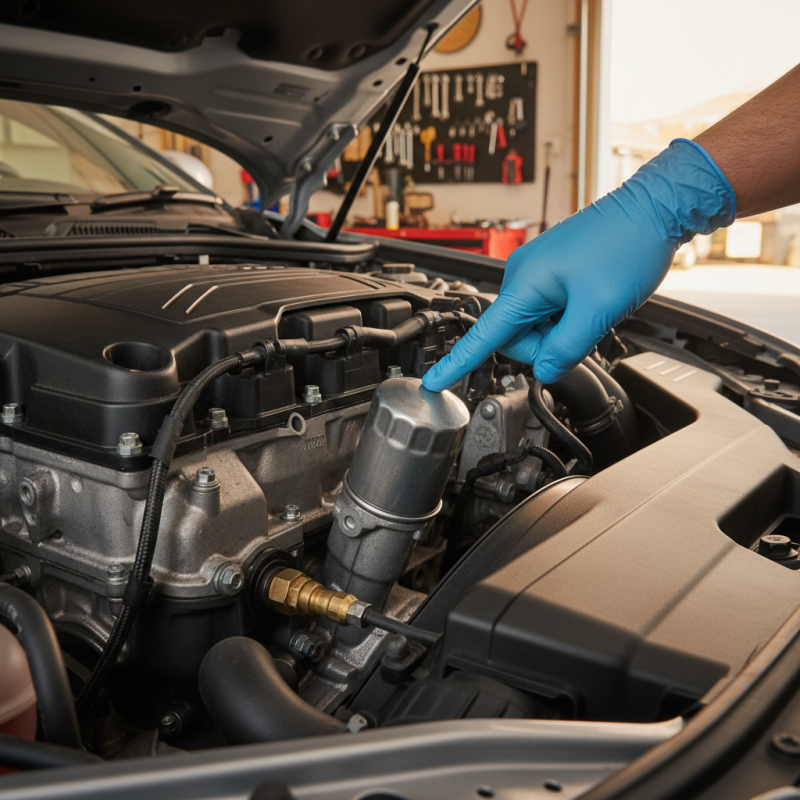
A visual inspection of the oil filter can offer insights too. If it appears clogged or dirty, it’s time for a change. However, many forget this step. It's not just about the oil—it's about the entire system's health. Regular changes promote efficiency and enhance performance.
How a Clean Oil Filter Enhances Lubrication and Reduces Wear
A clean oil filter plays a crucial role in engine performance. It traps dirt, dust, and debris that can harm engine parts. When an oil filter is clogged, it impedes oil flow. This can lead to inadequate lubrication. As a result, engine components wear down faster.
Good lubrication is key to reducing friction. When oil circulates freely, it cools the engine parts. This cooling prevents overheating and extends engine life. However, a dirty filter can cause the oil to become contaminated. This contamination affects the oil's ability to lubricate effectively.
Choosing to change your oil filter regularly can seem tedious. Yet, neglecting this simple task can lead to bigger problems down the road. Engine repairs are costly. A little maintenance now can save a lot later. It's easy to forget the oil filter, but it deserves attention. Regular checks and replacements can help keep your engine running smoothly.
Consequences of Neglecting Oil Filter Maintenance on Engine Health
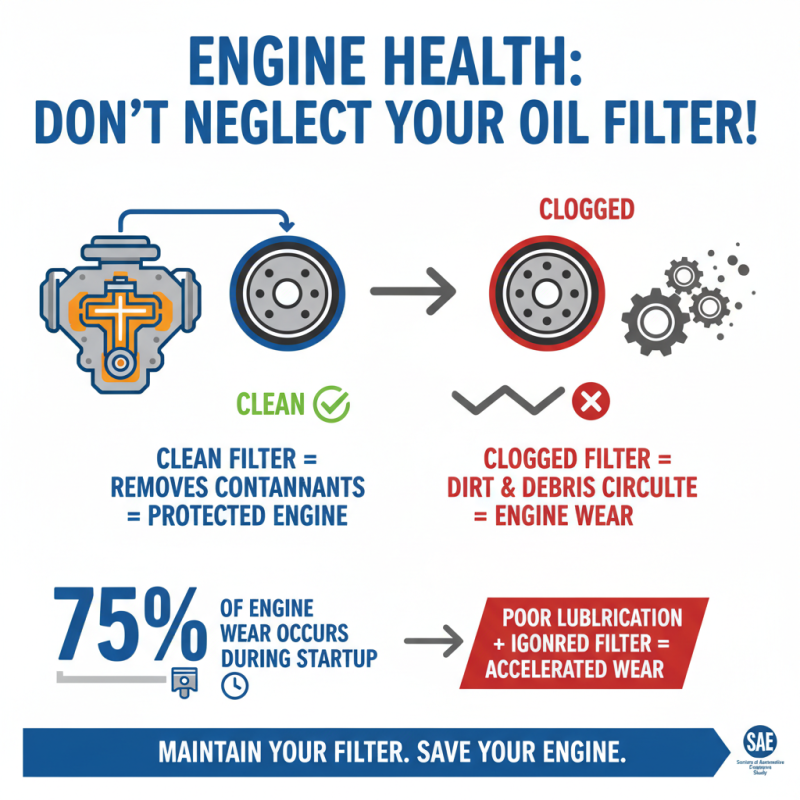
Neglecting oil filter maintenance can lead to severe consequences for engine health. A clean oil filter removes contaminants effectively. When it’s clogged, dirt and debris circulate in the engine. A study by the Society of Automotive Engineers shows that 75% of engine wear occurs during startup due to poor lubrication. This wear accelerates when filters are ignored.
Without proper filtration, engine oil loses its protective qualities. A report from the American Petroleum Institute indicates that 25% of engine breakdowns are directly linked to inadequate oil maintenance, including filter issues. As the oil becomes less effective, components experience increased friction. This can result in overheating, decreased performance, and eventual engine failure.
Infrequent oil filter changes can sometimes seem harmless. However, the long-term effects are often devastating. The average cost of a complete engine rebuild can range from $4,000 to $10,000. Regular maintenance, including oil filter replacement, is not just a minor detail; it is a critical step in ensuring engine longevity. The need for reflection on these often overlooked tasks is essential for both safety and cost-effectiveness.
Best Practices for Oil Filter Replacement and Engine Care
Changing your oil filter plays a critical role in maintaining engine health. An oil filter captures dirt, sludge, and metal particles, preventing them from circulating in the engine. According to the Automotive Maintenance and Repair Association, a clean oil filter can improve engine efficiency by up to 15%. This efficiency translates to better fuel economy and longer engine life.
When replacing the oil filter, attention to detail matters. Always consult your vehicle’s manual for the correct filter specifications. Consider using high-quality filters that meet industry standards. An improperly installed filter may lead to leaks or insufficient filtration. In fact, a report from the Society of Automotive Engineers notes that nearly 25% of engine failures stem from poor oil maintenance. Neglecting oil filter changes can lead to engine wear, reducing overall performance.
Timing is key. Change the oil filter every time you change the oil. For many vehicles, this occurs every 5,000 to 7,500 miles. Some drivers forget this step. It’s easy to overlook a small part. Yet, the consequences can be significant. Regular oil filter maintenance ensures you avoid unnecessary repair costs. An engine running with a clogged oil filter can suffer serious damage. The importance of consistent care cannot be understated.
Why Is Changing Your Oil Filter Important for Engine Health? - Best Practices for Oil Filter Replacement and Engine Care
| Dimension |
Details |
| Oil Filter Function |
Removes impurities and contaminants from engine oil. |
| Recommended Change Interval |
Every 3,000 to 5,000 miles, or as per manufacturer’s guidelines. |
| Benefits of Regular Replacement |
Improves engine performance, extends engine life, reduces emissions. |
| Signs of a Clogged Oil Filter |
Engine noise, reduced oil pressure, or oil leaks. |
| Best Practices for Replacement |
Change oil filter whenever you change the oil; ensure proper fit. |
| Environmental Consideration |
Recycle the old oil filter and oil appropriately. |