What is an Oil Filter Adapter and How Does it Work?
An oil filter adapter plays a crucial role in modern vehicles. This component allows compatibility between different oil filters and engine types. According to Dr. Emily Carter, a renowned automotive engineer, "The oil filter adapter ensures optimal engine performance by providing proper filtration."
In essence, the oil filter adapter transforms engine oil flow. It connects the engine block to the filtration system, adjusting for size differences. Many car enthusiasts overlook this detail, leading to performance issues. A poorly fitted adapter can result in leaks or inadequate filtration.
Properly understanding the oil filter adapter is vital for any vehicle owner. It is not just a connector; it impacts longevity and efficiency. This often-neglected part deserves closer attention. After all, the right adapter can make a significant difference in vehicle maintenance and performance.
What is an Oil Filter Adapter?
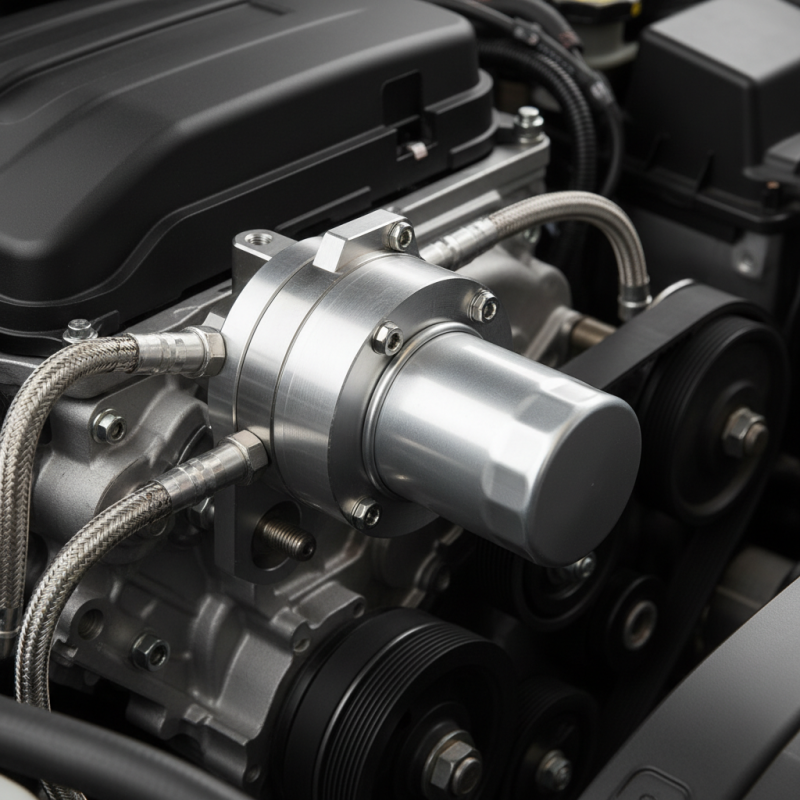
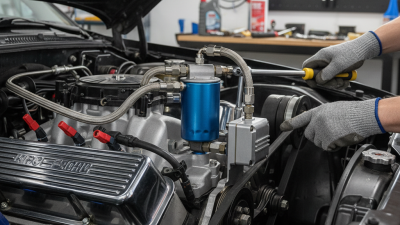
An oil filter adapter is an essential component in many engines. It connects the engine's oil filter to the oil system. This adapter plays a critical role in maintaining oil flow and filtration.
The oil filter adapter can vary in design and compatibility. Some adapters allow for a quick change of oil filters, making maintenance easier. Others might require more complex installations. This complexity can lead to confusion during installation, especially for DIY enthusiasts. Every adapter is different, and not all fit all vehicles. It’s necessary to check specifications and requirements carefully.
Using an oil filter adapter can improve engine performance. However, improper installation may lead to leaks or oil starvation. Regular inspection of the adapter is advisable. Not doing so can result in costly repairs. This part often goes unnoticed, but it deserves attention. Proper understanding and care of the oil filter adapter are vital for engine longevity.
The Purpose of an Oil Filter Adapter in Vehicles
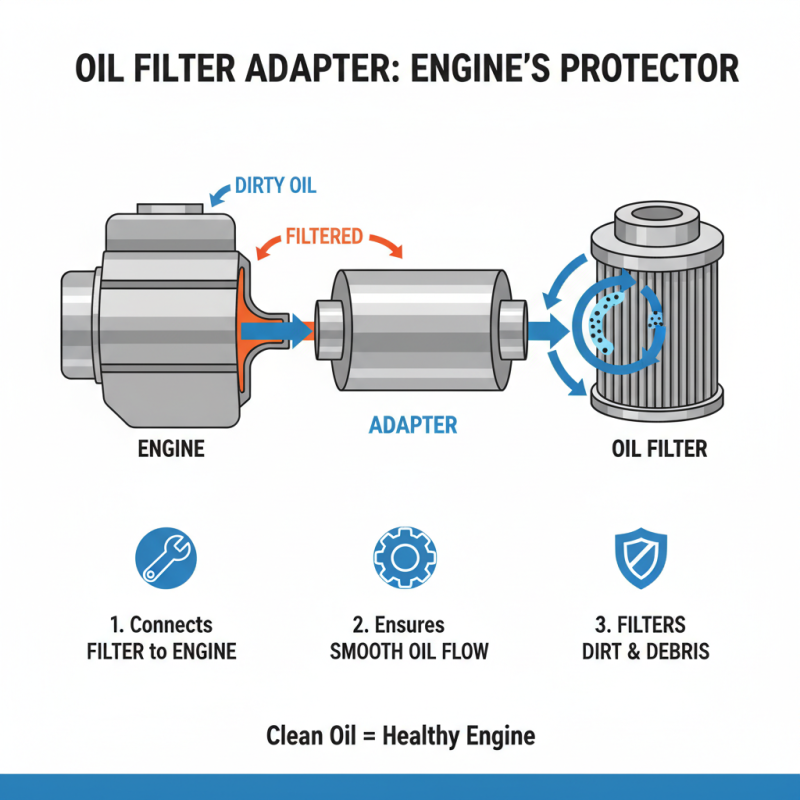
An oil filter adapter plays a vital role in vehicles by allowing for the easy connection of an oil filter. It acts as a bridge between the engine and the filter, ensuring that oil flows smoothly. When oil circulates, it picks up dirt and debris. This adapter ensures that the dirty oil goes through the filter before re-entering the engine.
The design of the oil filter adapter can vary. Some are simple, while others have complex fittings. This complexity can lead to issues if not maintained properly. For instance, an improper seal can cause leaks. A driver may not notice this immediately, leading to potential engine damage. Regular checks on the adapter can help prevent these problems. If the oil filter adapter is not working correctly, other parts of the engine may suffer. It is crucial to monitor and maintain it.
Understanding the importance of an oil filter adapter is essential for any vehicle owner. Paying attention to its condition can save money in the long run. Even minor issues can escalate if overlooked. Regular maintenance should never be ignored. A simple part can have significant implications for engine health. Keeping it in good shape ensures smoother performance and longevity.
How Oil Filter Adapters Improve Oil Flow and Filtration
Oil filter adapters serve a vital role in enhancing the performance of filtration systems in vehicles. By optimizing oil flow, they ensure a more effective filtration process. These adapters create a seamless connection between the oil filter and the engine. This setup allows for improved circulation of oil, which keeps the engine components well-lubricated. A well-implemented adapter can reduce the risk of oil starvation during high-performance conditions.
One advantage of these adapters is their ability to support different filter sizes. This variability enables the installation of larger filters, which can hold more oil and improve filtration efficiency. For instance, a larger oil filter can trap more dirt, leading to cleaner oil circulating through the engine. However, improper installation or mismatched components can lead to inefficiencies. Engineers often face the challenge of ensuring compatibility while maintaining adequate flow rates.
Ensuring proper oil flow can make a significant difference in engine life. A correctly working adapter can enhance longevity by preventing excessive wear on moving parts. Yet, it’s crucial to routinely check these components for any signs of wear or leaks. A small oversight in maintenance can lead to bigger problems down the line. Balancing performance with reliability is not a simple task, but it's essential for optimal functioning.
Installation Process for Oil Filter Adapters
Oil filter adapters play a crucial role in engine performance. When installing one, several steps need to be followed closely for optimal results. Start by gathering necessary tools. This usually includes a wrench, screwdriver, and an oil pan. Ensure everything is clean. A well-prepared area prevents dirt from contaminating the oil system.
Begin the installation by removing the existing oil filter. Be careful to catch any dripping oil. Next, align the oil filter adapter with the engine block. Some models require a gasket or sealant for a proper fit. It’s important to check that the threads are not damaged. Many industry reports indicate that improper installation could lead to oil leaks, which compromise engine health.
Once secured, tighten the adapter according to specified torque values. Over-tightening can cause damage. After completing the setup, run the engine for a short period. Watch for leaks around the adapter. It's often overlooked, but this step is essential. Regular maintenance of the oil filter adapter can enhance engine longevity and performance. According to reports, filters with adapters can last up to 10% longer when properly maintained.
What is an Oil Filter Adapter and How Does it Work? - Installation Process for Oil Filter Adapters
| Feature |
Description |
Benefits |
Installation Steps |
| Definition |
An oil filter adapter is a component that allows a different type of oil filter to be installed on an engine. |
Increased filter options and better filtration. |
1. Remove existing oil filter.
2. Clean the mounting surface.
3. Install the adapter.
4. Install new oil filter on the adapter. |
| Purpose |
To provide flexibility in choosing oil filters that may offer better performance. |
Better compatibility with aftermarket filters. |
5. Tighten the filter securely.
6. Refill oil and check for leaks. |
| Materials |
Typically made from aluminum or durable plastics. |
Lightweight yet strong, resistant to oil and heat. |
7. Start the engine.
8. Inspect for proper functioning and leaks. |
| Compatibility |
Compatible with specific engine models and various oil filter types. |
Enhanced filter choices optimize engine performance. |
Important to ensure correct fitment before purchasing. |
Common Issues and Considerations with Oil Filter Adapters
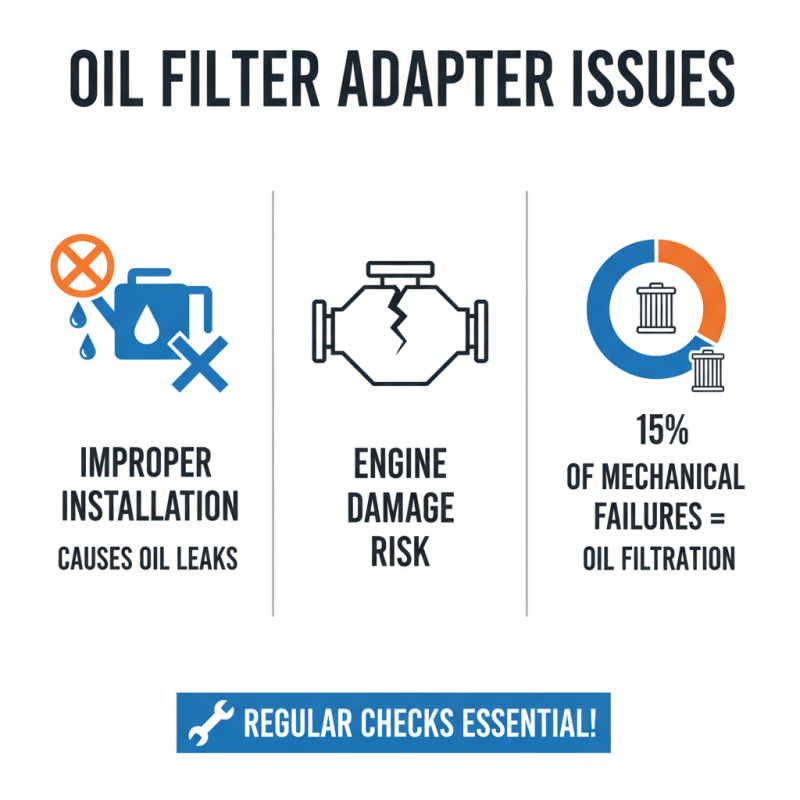
Oil filter adapters are useful tools, but they can lead to several common issues. One significant concern is improper installation. If the adapter is not secured properly, it can cause oil leaks, leading to potential engine damage. According to industry reports, about 15% of mechanical failures relate to oil filtration problems. Regular checks are essential.
Another issue could involve the compatibility of the oil filter with the adapter. Not all filters fit every adapter correctly. Using the wrong combination can restrict oil flow, resulting in inadequate lubrication. That may stress engine components over time.
Tip: Always ensure compatibility before purchasing an adapter. Doing research online or consulting with professionals can save time and money.
It's also vital to pay attention to the quality of materials used. Cheap adapters may corrode or deform, creating more problems. As reported, around 10% of users face failures linked to low-quality parts.
Tip: Invest in reputable sources for components. This will enhance longevity and performance. Regular maintenance checks can also prevent unforeseen issues.