What Is Pump Fuel and How Does It Work?
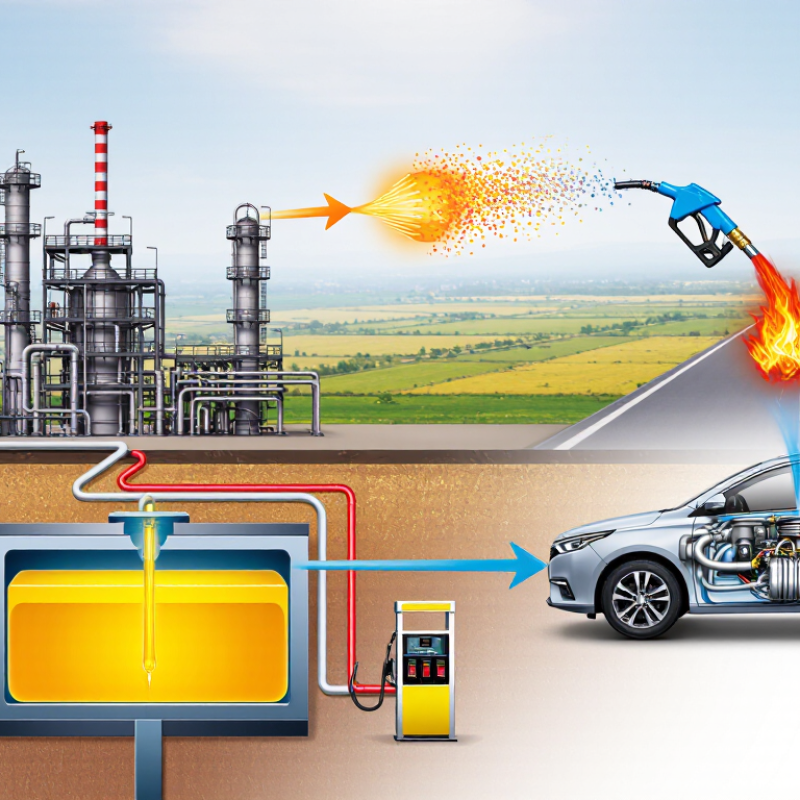
Pump fuel is more than the liquid flowing through a station nozzle. It is a carefully blended product designed to power engines safely, consistently, and efficiently. In this guide, we will examine how pump fuel travels from crude-oil refining to underground storage tanks, then into a vehicle’s fuel system.
The U.S. Energy Information Administration explains that gasoline is refined from crude oil and blended with additives that influence performance, emissions, and storage stability. Octane rating is especially important. It indicates resistance to engine knock, not the fuel’s overall energy content. A higher number is not automatically better for every engine. That point is often misunderstood.
“The fuel industry is really in the mobility business,” says John Eichberger, executive director of the Fuels Institute. His observation reflects a wider change. The International Energy Agency’s Oil 2024 report expects global oil demand growth to slow sharply this decade, partly because electric vehicles and efficiency improvements are expanding. Yet conventional pump fuel remains essential for millions of cars, trucks, and agricultural machines.
Inside an engine, fuel is atomized, mixed with air, compressed, and ignited. The resulting expansion pushes a piston downward. A small chemical difference can affect starting, mileage, deposits, and emissions.
The process is precise.
Still, real-world results are not perfectly neat. Temperature, storage age, driving habits, vehicle design, and fuel quality all matter. This article will separate common assumptions from measurable facts, using regulatory guidance, engineering principles, and industry data. That distinction matters. Understanding pump fuel helps drivers choose responsibly, interpret octane labels, and recognize where personal experience may not tell the whole story.
What Pump Fuel Is and What It Contains
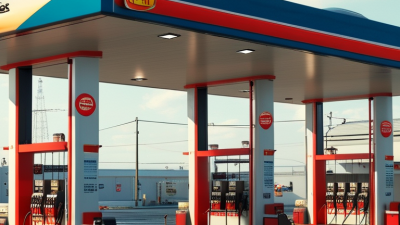
Pump fuel is the liquid sold through a service-station dispenser for road vehicles. It usually means gasoline, diesel, or another approved fuel used by a specific engine. The dispenser moves fuel from an underground storage tank through a filter, meter, and hose. You hear the pump click when the tank reaches its safe fill level.
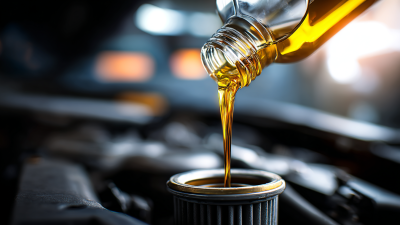
Gasoline contains blended hydrocarbons that evaporate easily and burn quickly inside a spark-ignition engine. Diesel fuel contains heavier hydrocarbons and ignites under compression. Both fuels may include carefully controlled additives. These can reduce deposits, improve stability, limit corrosion, or support cleaner combustion. Some gasoline also contains renewable alcohol components, depending on local fuel standards. The exact blend can change by season and region.
Numbers on the pump describe performance, not fuel quality alone. An octane rating shows resistance to knocking in gasoline engines. Diesel uses a different ignition measure called cetane. Higher is not automatically better for every vehicle. The owner’s manual remains the most reliable guide. A practical check is simple: match the fuel type and minimum rating before inserting the nozzle.
Fuel can look clear, yet its chemistry is complex. It may also smell unusually strong after long storage. That does not prove contamination, but it deserves attention. Even careful drivers can choose incorrectly when labels are unclear. I once found this topic less obvious than expected; pump colors and wording are not universal. Local regulations, vehicle design, and storage conditions all matter.
How an Engine Uses Pump Fuel
Pump fuel is the gasoline or diesel sold at a licensed service station. For most drivers, it enters the vehicle’s fuel system ready for use. Its label may show an octane rating or a diesel classification. Octane measures resistance to premature ignition. It does not automatically mean greater engine power.
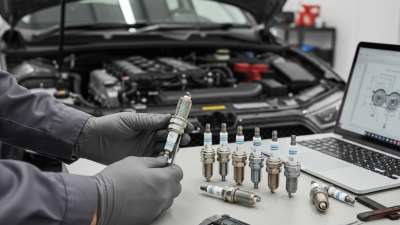
In a spark-ignition engine, the fuel pump sends fuel from the tank toward the engine. An injector then releases a carefully measured spray into the intake air or combustion chamber. The air and fuel mix before the spark plug ignites them. Expanding gases push the piston downward. The crankshaft converts that movement into rotation for the wheels.
Timing matters greatly. Sensors monitor airflow, temperature, engine speed, and exhaust oxygen. The control unit adjusts fuel delivery within milliseconds. A diesel engine follows a different route. It compresses air until it becomes hot, then injects fuel into that heated air. No spark plug starts the main combustion event.
Small details affect performance. A clogged filter can restrict flow, while contaminated fuel may damage precise injectors. Drivers sometimes blame fuel for every rough idle, but worn plugs, weak sensors, or low compression can create similar symptoms. Real engines are messier. The clearest diagnosis usually combines service records, measured fuel pressure, and electronic testing rather than guesswork.
Fuel Grades, Octane Ratings, and Their Differences
At a fuel pump, the grade number describes octane, not fuel strength or cleanliness. Octane measures resistance to engine knock, an uncontrolled combustion that can sound like a sharp metallic rattle. Higher-octane fuel tolerates greater pressure before igniting. It does not automatically make every engine faster.
Common grades are regular, mid-grade, and premium, but their labels vary by country. In some regions, pumps display AKI, calculated from research and motor octane values. Elsewhere, RON is more common, so identical-looking numbers may not mean identical ratings. This difference causes confusion. Diesel is a different fuel, designed for compression-ignition engines, and should never be chosen by octane alone. An owner’s manual or fuel-door label remains the most reliable guide. That small panel matters.
An engine tuned for regular fuel normally gains little from premium. An engine requiring higher octane may knock, lose performance, or trigger warning lights with lower-grade fuel. Modern controls can reduce the risk, but they cannot rewrite the engine’s design. I once assumed premium fuel was a cleaner daily option; that was too simple. Fuel quality also depends on storage, contamination, and correct handling at the station. If a vehicle has no premium requirement, paying more may change the bill more than the drive.
Factors That Affect Pump Fuel Performance and Safety
What Is Pump Fuel and How Does It Work?
Pump fuel is a controlled mixture designed to burn inside an engine. Air and fuel enter the cylinder, compress, and ignite. Octane rating measures resistance to unwanted knocking, not fuel strength. Higher octane helps engines designed for higher compression. It does not automatically improve every vehicle’s performance.
Fuel quality changes with composition, temperature, storage, and handling. The U.S. Energy Information Administration reports that nearly all American gasoline contains up to 10% ethanol. Its energy-content data shows ethanol has about 34% less energy per gallon than gasoline. Therefore, ethanol blends may slightly reduce fuel economy. The difference is usually modest. Still, real-world results vary. A heavy load, low tire pressure, or clogged air filter can matter more.
Temperature also affects vapor formation and starting behavior. ASTM International’s D4814 specification sets seasonal volatility limits for gasoline. Contamination is another practical risk. Water can collect in poorly sealed storage tanks, especially after temperature swings. Watch the nozzle, cap, and pavement. A strong unusual odor or visibly cloudy fuel deserves caution. The National Fire Protection Association recommends switching off engines during refueling and controlling ignition sources. Static electricity seems minor. It is not. Avoid topping off, and keep approved containers upright. My view is imperfect: fuel labels explain chemistry, but they cannot reveal every storage problem beneath a station’s surface.
Flash point indicates the lowest temperature at which fuel vapors can ignite in the presence of an ignition source. Gasoline has a much lower flash point than diesel, making gasoline vapor especially important for ventilation, spill control, and safe storage. Values are typical reference figures and can vary with fuel composition and testing methods.