How to Replace the Spark Plug for Optimal Engine Performance?
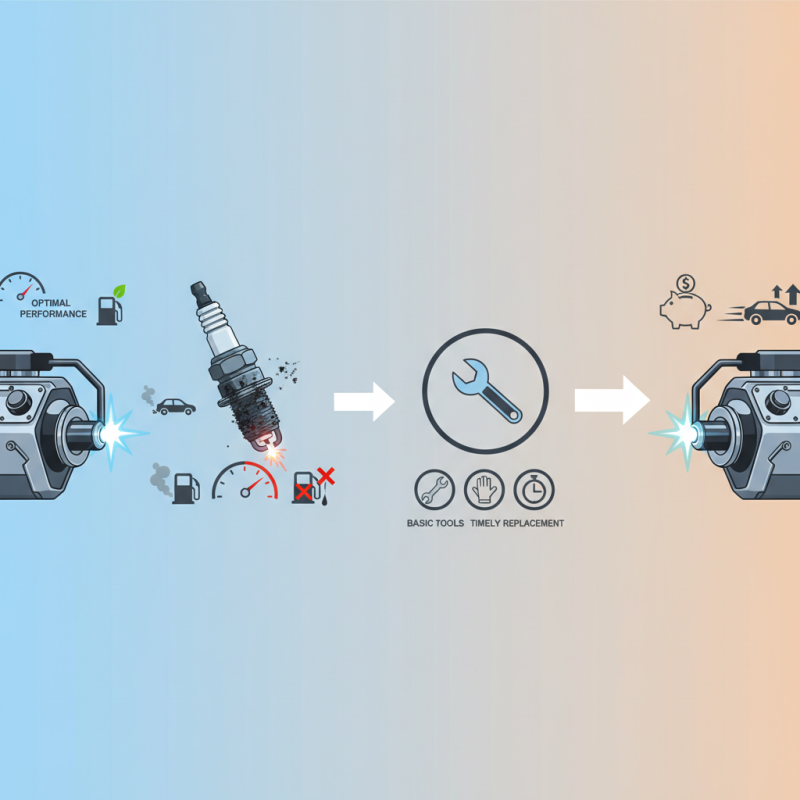
Replacing the spark plug is crucial for maintaining optimal engine performance. According to John Smith, a seasoned automotive technician, "A worn spark plug can cause rough idling and reduced fuel efficiency." This highlights the importance of timely replacment.
Over time, the spark plug can accumulate carbon deposits. These deposits can hinder performance and lead to misfires. Regular checks can help identify issues before they escalate. Ignoring this simple part can result in more significant problems down the line.
The task of replacing the spark plug might seem daunting. However, it requires basic tools and a bit of patience. Learning the right technique can save money and improve vehicle performance. It's a small yet vital step in engine care.
Understanding the Role of Spark Plugs in Engine Performance
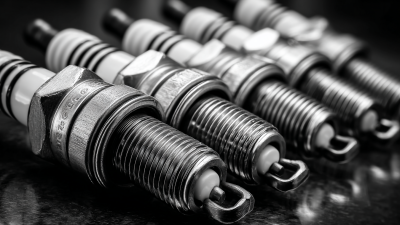
Spark plugs play a crucial role in engine performance. They ignite the air-fuel mixture in the combustion chamber. If these components fail, engine efficiency declines. According to the U.S. Department of Energy, replacing spark plugs can improve fuel efficiency by 30%. This statistic highlights their importance in maintaining optimal engine function.
When spark plugs wear out, issues arise. Reduced acceleration and rough idling signal potential problems. A study from the ASTM International shows that spark plug issues can lead to a drop in power by 20%. These effects impact overall vehicle performance. Even minor wear can lead to inefficiencies.
Proper maintenance is essential. Regular inspections ensure spark plugs are in good condition. Mechanics recommend replacement every 30,000 miles or as needed. Ignoring this can lead to costly repairs down the line. It’s important to take a proactive approach for optimal performance.
Identifying Signs That Spark Plugs Need Replacement
Spark plugs play a crucial role in engine performance. When they wear out, they can lead to issues that are hard to ignore. One common sign of failing spark plugs is difficulty starting the engine. If your vehicle struggles to ignite when turning the key, it’s time to take a closer look.
Another telling sign is poor fuel efficiency. If you notice that you’re visiting the gas station more frequently, the spark plugs might be to blame. Under normal conditions, they should help the engine run efficiently. Irregular idling or engine misfires are other symptoms. You might feel the car shake or stutter when idle, which should raise an alarm.
Finally, a bright check engine light can indicate spark plug problems. While it can signal various issues, don’t overlook this warning. Inspect your spark plugs if the light comes on. It’s an easy task to put off, but neglecting it could lead to bigger engine troubles down the road. Pay attention to these signs, and your engine will thank you.
Tools and Materials Required for Spark Plug Replacement
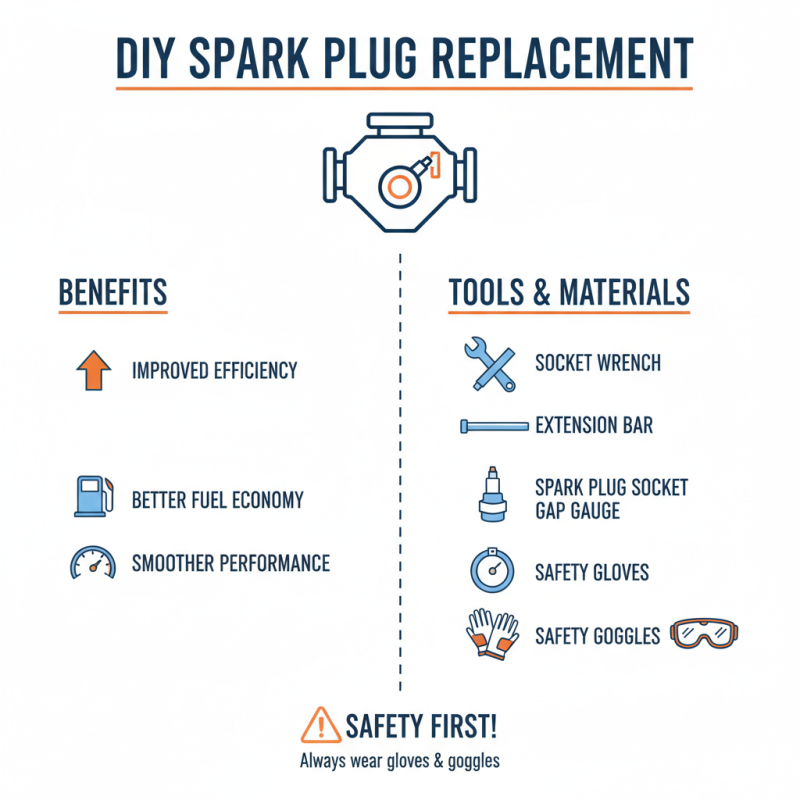
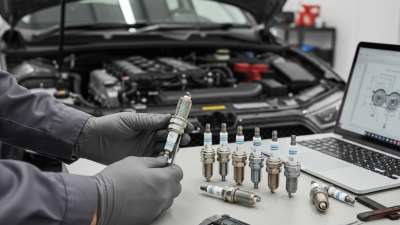
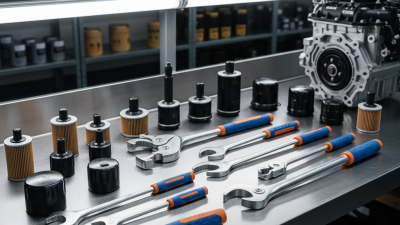
Replacing spark plugs can improve engine efficiency. To start, gather the right tools and materials. You will need a socket wrench, extension, a spark plug socket, and a gap gauge. Don't forget safety gloves and goggles. These items ensure you work safely and effectively.
Before replacing spark plugs, inspect the old ones. Sometimes they show signs of wear, such as cracks or heavy deposits. This inspection can reveal underlying issues. Consider that a spark plug might last longer than expected but not perform as efficiently. You might need to rethink your replacement schedule based on your findings.
Make sure to set the correct gap for new spark plugs. This is crucial for optimal ignition. Using a gap gauge can help you achieve the right setting. Remember, it’s easy to overlook this step. A small mistake can affect overall performance. Regular checks can prevent misunderstandings about when to replace spark plugs. Keep an eye on your engine's responsiveness after replacement. It can guide you in future maintenance.
Step-by-Step Guide to Removing Old Spark Plugs
Replacing spark plugs can significantly improve engine performance. To start, ensure that your engine is cool. This prevents burns and makes removal easier. Gather your tools: a socket wrench, a spark plug socket, and a torque wrench.
Begin the removal process carefully. Locate the spark plug wires and unplug them. This step requires gentle handling; pulling too hard can damage the wires. Use the spark plug socket to loosen each old spark plug. Turn counterclockwise until they come free. If they are stubborn, a penetrating oil can help.
Inspect the old plugs for wear. Look for carbon build-up or signs of damage. These clues indicate engine issues that might need attention. Take your time during installation. Tighten gently, watching for proper torque specifications. It's crucial to avoid over-tightening, which can lead to broken plugs. Sometimes mistakes happen, so double-check your work.
Installing New Spark Plugs for Enhanced Engine Efficiency
Installing new spark plugs can significantly enhance engine efficiency. A well-functioning spark plug ignites the air-fuel mixture in the combustion chamber. When spark plugs wear out, engine performance can degrade. You might notice misfires or rough idling. That’s when it’s time for a change.
Choosing the right spark plugs is crucial. Compatibility with your engine type matters most. Research the specifications for your vehicle. The wrong choice can lead to poor performance. Sometimes, even installation techniques can vary. Make sure to tighten them properly, but avoid overtightening to prevent damage.
Regularly replacing spark plugs not only improves efficiency but also leads to better fuel economy. A clean and efficient engine reduces emissions. However, some people overlook this simple maintenance task. It’s easy to forget. Remember to check your spark plugs during routine maintenance to keep your engine running smoothly.
How to Replace the Spark Plug for Optimal Engine Performance?
| Step |
Description |
Tools Needed |
Estimated Time |
| 1 |
Gather necessary tools and materials. |
Socket set, Spark plug socket, Torque wrench, Gap tool. |
10 minutes |
| 2 |
Ensure the engine is cool before starting. |
None |
5 minutes |
| 3 |
Remove the old spark plug using the socket. |
Socket wrench. |
10 minutes |
| 4 |
Check and set the gap on the new spark plug as per specifications. |
Gap tool, new spark plug. |
5 minutes |
| 5 |
Install the new spark plug, tightening it to the manufacturer’s specs. |
Torque wrench. |
10 minutes |
| 6 |
Reattach any components removed to access the spark plug. |
Screwdriver, pliers. |
10 minutes |
| 7 |
Start the engine and check for smooth operation. |
None |
5 minutes |