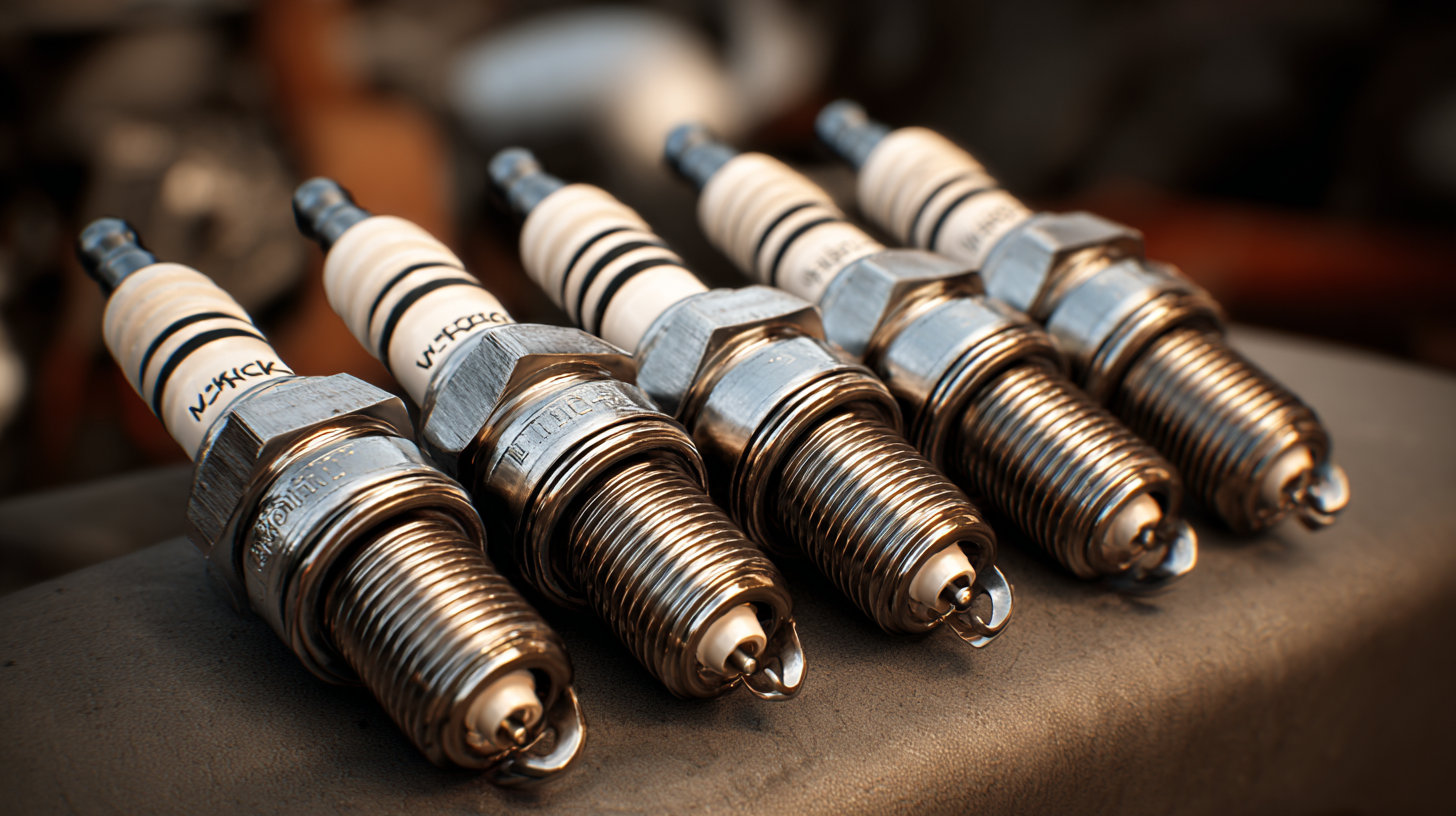
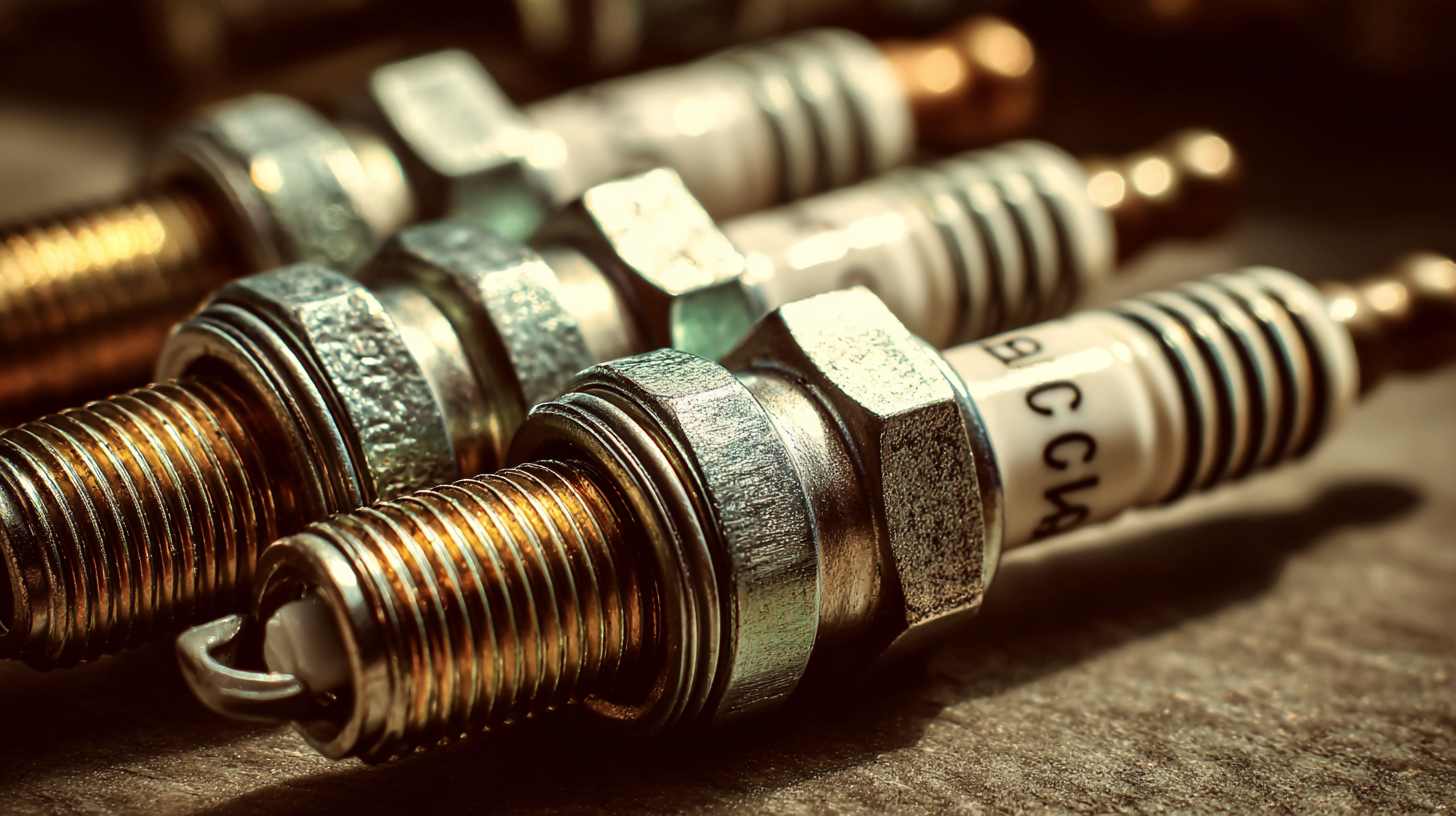
What are Spark Plugs and How Do They Impact Your Engine's Performance?
Spark plugs play a crucial role in the efficient operation of internal combustion engines, igniting the air-fuel mixture to facilitate combustion. According to industry reports, approximately 60% of engine performance issues can be attributed to faulty spark plugs, emphasizing their importance in maintaining optimal engine function.
The performance of an engine is heavily influenced by the quality and condition of these small yet vital components, as worn or malfunctioning spark plugs can lead to reduced fuel efficiency, increased emissions, and overall diminished power output. For instance, a study by the Automotive Aftermarket Industry Association revealed that keeping spark plugs well-maintained can improve fuel economy by up to 30%.
Therefore, understanding the function, types, and maintenance of spark plugs is essential for anyone looking to enhance their vehicle's performance and longevity.
Understanding Spark Plugs: Basics and Functions
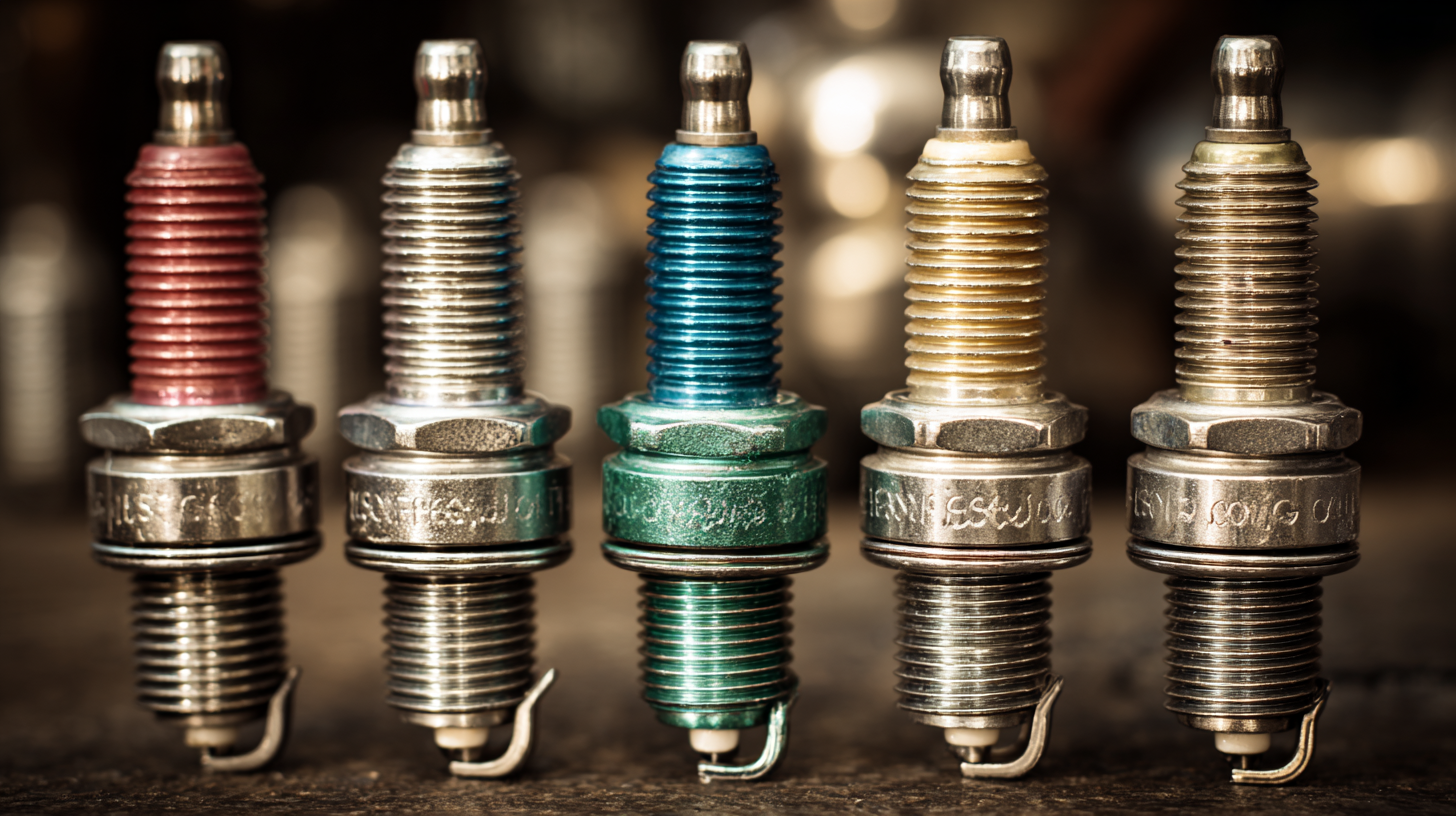 Spark plugs play a crucial role in the performance of an engine by igniting the air-fuel mixture, allowing for efficient combustion. Understanding how they function can help car owners appreciate their importance. Essentially, a spark plug generates a spark that ignites the fuel, leading to a controlled explosion that drives the pistons and powers the vehicle. When they are in good condition, spark plugs contribute to better fuel efficiency, smoother engine performance, and reduced emissions.
Regular maintenance, including checking and replacing spark plugs, can save car owners money in the long run. For those considering a DIY approach, it's essential to have the right spark plug removal tools. Investing in a quality set can make the replacement process straightforward and minimize the risk of damaging the engine. Here’s a tip: always consult your car’s manual for the specific type of spark plugs required and the recommended replacement interval. This helps ensure your engine runs optimally, improving overall driving experience.
Additionally, if you notice a drop in power or increased fuel consumption, it may be time to inspect your spark plugs. A simple check could reveal worn-out plugs that need replacing. For a quick tip during maintenance: it's often beneficial to use anti-seize compound on the threads of new spark plugs to prevent them from seizing in the cylinder head over time, helping maintain engine efficiency.
The Role of Spark Plugs in Ignition and Combustion Processes
Spark plugs play a critical role in the ignition and combustion processes of internal combustion engines. They generate the electrical spark necessary to ignite the air-fuel mixture within the combustion chamber. This ignition is essential for producing the power that drives the engine. According to industry data, a well-functioning spark plug can improve engine efficiency by up to 30%, significantly enhancing overall performance and fuel economy.
The quality and condition of spark plugs directly impact combustion efficiency. Worn or damaged spark plugs can lead to misfires, incomplete combustion, and increased emissions. In fact, studies have shown that faulty spark plugs can reduce fuel economy by as much as 2% to 5%. Regular maintenance and timely replacement of spark plugs can help ensure optimal engine performance and reduce the chances of more extensive repairs down the line.
**Tips:** Always check your spark plugs during routine maintenance intervals, especially every 30,000 miles or as recommended by your vehicle manufacturer. Look for signs of wear, such as gaps that are too wide or discoloration, which can indicate that it’s time for a replacement. Additionally, consider using spark plugs that are designed for your specific engine type to maximize performance and efficiency.
Spark Plug Performance Impact on Engine Efficiency
How Spark Plug Condition Affects Engine Efficiency and Performance
The condition of spark plugs plays a crucial role in determining engine efficiency and performance. Spark plugs are responsible for igniting the air-fuel mixture within the engine's combustion chambers. When they are in optimal condition, they create a strong, consistent spark that ensures complete combustion, leading to improved fuel efficiency and reduced emissions. Conversely, worn or dirty spark plugs can result in misfires, leading to incomplete combustion. This not only decreases power output but also increases fuel consumption, putting extra strain on the engine.
Regular maintenance and inspection of spark plugs can significantly impact an engine's overall health. For instance, spark plugs that exhibit signs of wear, such as excessive carbon buildup, corrosion, or improper gap measurement, should be replaced promptly. Neglecting these issues can lead to a decline in horsepower, poor acceleration, and a rough idle. By maintaining the spark plugs in good condition, vehicle owners can ensure smoother engine operation, better fuel efficiency, and optimal performance, prolonging the life of the engine while enhancing the driving experience.
Signs of Worn Out Spark Plugs and When to Replace Them
Worn out spark plugs can significantly hinder your engine's performance, leading to a multitude of symptoms that every vehicle owner should be aware of. One critical sign is difficulty starting the engine. According to a report from the Automotive Service Association (ASA), around 34% of vehicles with starting issues have related spark plug problems. As spark plugs degrade, they fail to create the spark necessary for ignition, causing misfires and sluggish acceleration.
Another indicator of worn spark plugs is a noticeable dip in fuel efficiency. The Car Care Council highlights that faulty spark plugs can lower fuel economy by an average of 30%. This decline occurs because an inefficient spark plug disrupts the combustion process, leading to unburned fuel being expelled through the exhaust. Additionally, drivers may observe warning lights illuminating on their dashboards, prompting immediate inspection. Industry recommendations often suggest replacing spark plugs every 30,000 to 100,000 miles, depending on the type and use of the vehicle. Regular maintenance can not only enhance performance but also extend the longevity of engine components.
What are Spark Plugs and How Do They Impact Your Engine's Performance? - Signs of Worn Out Spark Plugs and When to Replace Them
| Spark Plug Type |
Lifespan (miles) |
Symptoms of Wear |
Replacement Frequency |
Impact on Performance |
| Copper Core |
20,000 - 30,000 |
Hard starting, misfires |
Every 20,000 miles |
Can decrease fuel efficiency |
| Platinum |
60,000 - 100,000 |
Rough idling, poor acceleration |
Every 60,000 miles |
Improves combustion efficiency |
| Iridium |
100,000 - 120,000 |
Engine knocking, decreased power |
Every 100,000 miles |
Maximizes performance and efficiency |
| Double Platinum |
60,000 - 100,000 |
Poor fuel economy, starting troubles |
Every 60,000 miles |
Enhances fuel combustion |
Steps to Choose the Right Spark Plug for Your Engine Model
Choosing the right spark plug is crucial for maximizing your engine's performance. Spark plugs play a vital role in the ignition process, and selecting the appropriate type can enhance efficiency, fuel economy, and overall engine functionality. According to the National Institute for Automotive Service Excellence (ASE), using the correct spark plug can improve fuel efficiency by up to 30% in older vehicles, illustrating the significant impact that this small component can have on vehicle performance.
When selecting a spark plug, it's essential to consider your engine model's specifications, which can usually be found in the owner's manual. The heat range is particularly important; it indicates how quickly the plug can dissipate heat. A report from the Society of Automotive Engineers (SAE) emphasizes that plugs that are too hot can lead to pre-ignition, while those that are too cold may cause fouling. Furthermore, the material of the spark plug tip—such as copper, platinum, or iridium—can influence longevity and performance. Platinum and iridium plugs, for instance, can last up to 100,000 miles compared to copper plugs, which typically need replacement every 30,000 miles. Selecting the right spark plug based on these factors is essential for optimizing your engine’s performance and longevity.