Top 10 Air Filter Products for Optimal Indoor Air Quality?
Indoor air quality is crucial for our health and well-being. The air filter products we choose can significantly impact our living spaces. Poor air quality may lead to various health issues, including allergies and respiratory problems.
With numerous options available, selecting the right air filter products can feel overwhelming. Different filters cater to specific needs, from allergens to smoke and odors. Some products excel in efficiency and effectiveness, while others might fall short.
In this guide, we'll explore the top 10 air filter products designed to enhance indoor air quality. Each choice is backed by expert recommendations and user feedback. As we dive into specific features, it's essential to consider our individual needs. The right air filter can create a healthier home environment, but finding it requires careful evaluation.
Understanding Indoor Air Quality and Its Importance
Indoor air quality is often overlooked. Yet, it significantly impacts our health and well-being. Poor air quality can cause various issues, including respiratory problems, allergies, and fatigue. We breathe in indoor air for most of our lives, making its quality crucial. This air can be contaminated by dust, pollen, mold, and volatile organic compounds (VOCs).
To improve indoor air, regular cleaning and proper ventilation are key. Opening windows can refresh the air. Incorporating houseplants may help purify the air naturally. However, many people forget about air filters. High-quality air filters can capture particles and allergens, improving overall air quality. They are essential for homes with pets or smokers.
Becoming informed is vital. Understanding the sources of indoor pollutants can lead to better choices. While some changes are easy, others require time and effort. Selecting the right air-filtering system can be overwhelming. It's essential to research and weigh options carefully. Investing in quality solutions can have a lasting effect on your health, making it worth the effort.
Common Indoor Air Pollutants and Their Health Effects
Indoor air pollution is a pressing concern for many households. Common pollutants include dust mites, pet dander, mold spores, and smoke. These substances can trigger allergies and respiratory issues. For example, mold can grow in damp areas, releasing spores that affect air quality. This can lead to chronic coughs and sinus problems.
Chemical pollutants also deserve attention. Volatile organic compounds (VOCs) found in paints and cleaning products can irritate the eyes and throat. Long-term exposure may affect liver and kidney function. Even everyday items, like air fresheners, can contain harmful fragrances that might cause headaches or fatigue.
Households often overlook these pollutants. Many assume that air quality is fine without testing. This can lead to serious health issues over time. Using air purifiers can significantly improve indoor air quality. Regular cleaning can also help reduce the buildup of dust and allergens. Staying informed about air quality is essential for maintaining a healthy living environment.
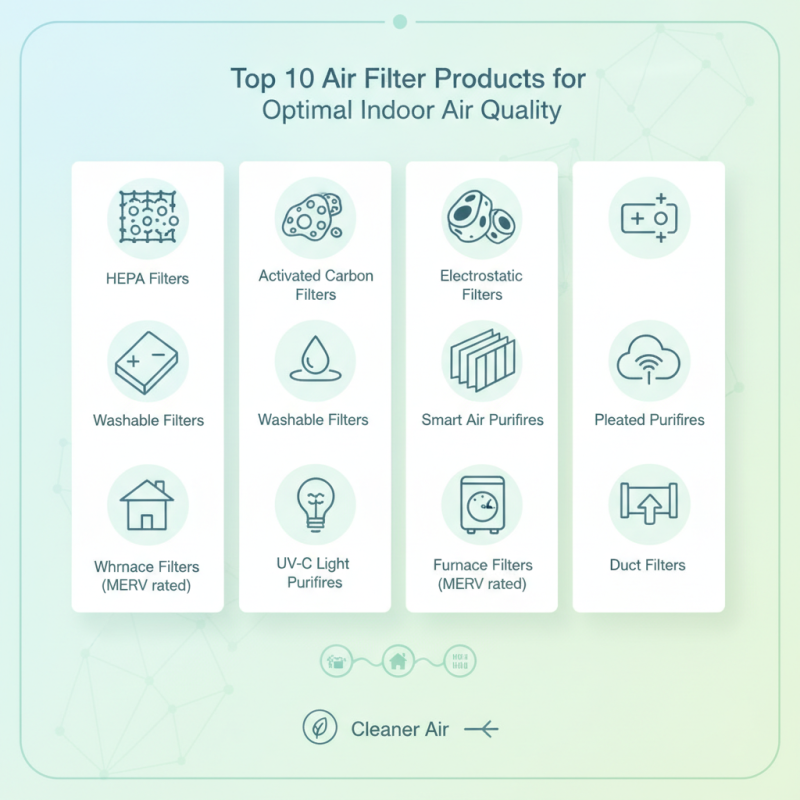
Top 10 Air Filter Products for Optimal Indoor Air Quality
| Filter Type |
Particle Removal Rating |
Lifespan (Months) |
Ideal For |
| HEPA Filter |
99.97% for 0.3 microns |
12 months |
Dust, pollen, pet dander |
| Activated Carbon Filter |
N/A |
6-12 months |
Odors, VOCs |
| Electrostatic Filter |
85-90% |
24 months |
Dust, smoke, allergens |
| UV Light Filter |
N/A |
12 months |
Bacteria, viruses |
| Pleated Filter |
80-90% |
6 months |
Dust, lint |
| Washable Filter |
50-75% |
24+ months |
Dust, light allergens |
| Hybrid Filter |
95% |
12 months |
Dust, odors, VOCs |
| Carbon Block Filter |
N/A |
10-12 months |
Chlorine, sediments |
| MERV 13 Filter |
90% |
6-12 months |
Pollen, pet dander, smoke |
| Ionic Filter |
N/A |
12 months |
Dust, bacteria, viruses |
Criteria for Choosing the Right Air Filter
Choosing the right air filter is crucial for ensuring optimal indoor air quality. A variety of factors affect this decision. One of the most critical is the filter's MERV rating. Filters with a higher MERV rating trap smaller particles. According to the U.S. Environmental Protection Agency (EPA), air filters with a MERV rating of 13 or above can capture up to 98% of airborne particles as small as 0.3 microns.
Another important consideration is the filter's type. HEPA filters, which stand for High-Efficiency Particulate Air, are widely regarded for their efficacy. They can remove allergens like pollen and pet dander from the air. However, it's vital to note that not all HEPA filters are created equal. Some may require regular replacements, leading to ongoing costs that must be factored into your choice.
Dust, smoke, and mold can thrive in poorly filtered environments. The EPA reports that indoor air can be up to five times more polluted than outdoor air. It's essential to assess your specific needs. If your home has pets or residents with allergies, a higher-performance filter is advisable. Balancing efficacy with maintenance is key. Regularly checking and changing filters ensures they function effectively in maintaining air quality.
Top 10 Air Filter Products Reviewed for Effectiveness
Indoor air quality often goes unnoticed, yet it significantly impacts our health. According to the Environmental Protection Agency (EPA), indoor air can be two to five times more polluted than outdoor air. Factors like dust, allergens, and pollutants contribute to this issue. Selecting the right air filter can drastically improve your environment.
HEPA filters remain a popular choice. They can capture up to 99.97% of particles as small as 0.3 microns. This efficiency means they effectively trap allergens, pet dander, and dust mites. However, not all filters are created equal. Some may not fit snugly into HVAC systems, reducing their effectiveness.
Regular maintenance is essential; clogged filters can lead to decreased airflow, undermining their benefits.
Another key aspect is the filter's MERV rating. A higher MERV rating indicates better particle removal capabilities. Filters with ratings between 7 and 12 are suitable for residential use. They strike a balance between efficiency and airflow. Nonetheless, it's crucial to assess your home’s specific needs. A filter that works well in one space may not be ideal in another. Understanding these nuances can enhance your indoor air quality significantly.
Tips for Maintaining Air Filters for Optimal Performance
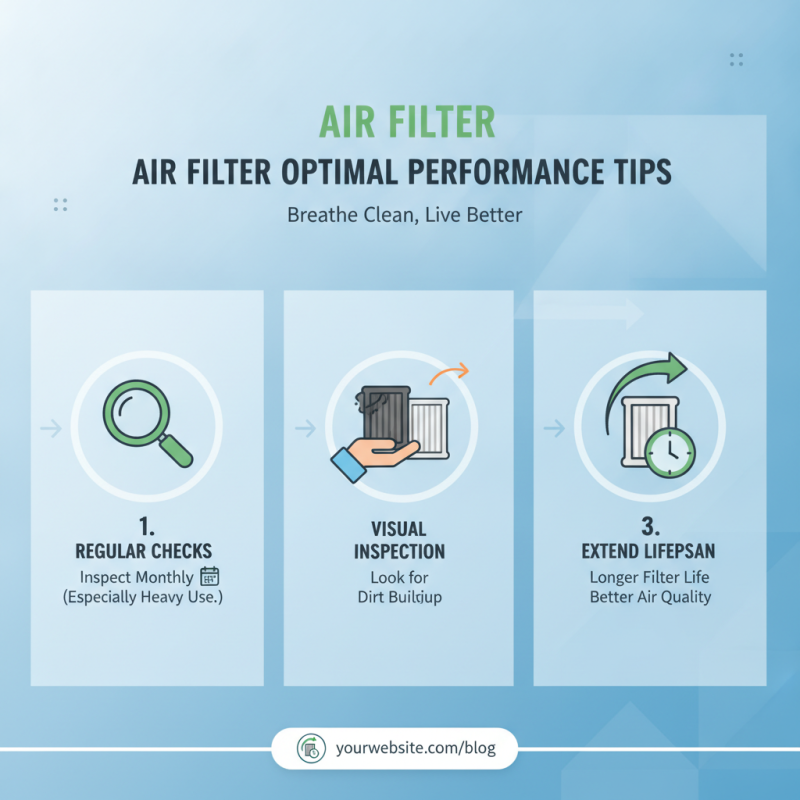
Maintaining air filters is essential for optimal indoor air quality. Regular checks can greatly extend their lifespan. It’s important to inspect filters every month, especially during heavy use months. Visual inspection can often reveal dirt buildup. Sometimes, it’s hard to tell if they need changing without a close look.
Clean filters can trap more particles. Dust, allergens, and smoke can easily accumulate. Neglecting maintenance diminishes the filter's effectiveness. Even high-quality filters require attention. Some might forget to check the environment. Areas with pets or smokers need more frequent changes, perhaps every month. Simple reminders on your calendar can help establish this habit.
When replacing filters, choose the right size and type. Mismatched filters can lead to airflow issues. Always follow installation guidelines, ensuring a snug fit. Improper installation is a common oversight. Keeping records of when filters were last changed can also enhance reliability. This practice not only supports good air quality but can also help reduce energy costs.