Top 10 Benefits of Using an Oil Pump for Efficiency and Performance?
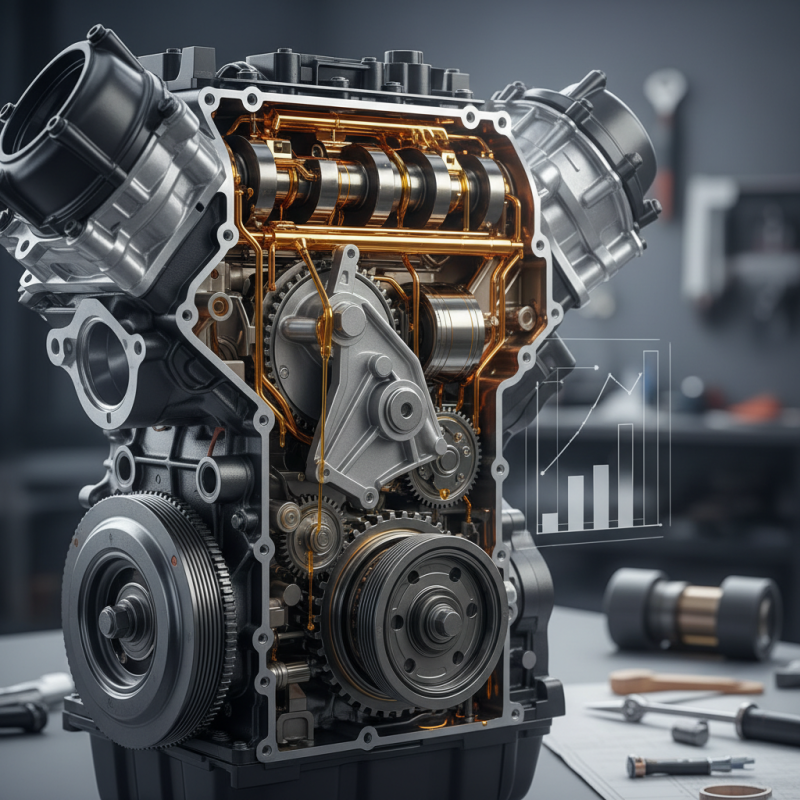
Oil pumps are essential for various machinery and vehicles. They ensure efficient oil circulation, crucial for performance and longevity. According to industry reports, nearly 70% of engine wear results from inadequate lubrication. An effective oil pump can significantly reduce this wear, enhancing overall efficiency.
Performance engines rely heavily on oil pumps. A reliable pump maintains optimal oil pressure, which is key to preventing engine seizures. Without it, an engine may suffer catastrophic failure. Some reports highlight that a high-quality oil pump can increase engine life by up to 30%.
However, not all oil pumps are created equal. It's important to consider factors like pump design and compatibility. Poor choices may lead to increased friction, poor performance, and even engine damage. Reflecting on these details can help users make informed decisions about their oil pump selection.
Benefits of Improved Engine Lubrication through Oil Pumps
Efficient engine lubrication is crucial for optimal performance. Oil pumps play a vital role in distributing oil throughout the engine. This ensures that all moving parts receive adequate lubrication, reducing friction. According to a report by the American Society of Mechanical Engineers, improved lubrication can decrease engine wear by up to 30%.
In many vehicles, oil pumps operate under high pressure. This allows oil to reach even the most remote engine components. A steady oil flow prevents overheating, which is essential for longevity. However, some engines experience oil starvation. This can occur if the pump is inadequate or malfunctioning. A lack of lubrication can lead to significant damage and costly repairs.
Preventive maintenance is key. Regular checks on oil levels and pump performance can help. Industry data indicate that neglecting these aspects can reduce engine life by nearly 15% annually. Investing in quality oil pumps is more than just a choice; it is a necessity for maintaining engine efficiency. Happy engines lead to smoother rides.
Top 10 Benefits of Using an Oil Pump for Efficiency and Performance
| Benefit |
Description |
Impact on Performance |
| Improved Lubrication |
Ensures consistent oil flow throughout the engine. |
Reduces friction and wear. |
| Enhanced Efficiency |
Increases engine performance by optimizing oil delivery. |
Maximizes horsepower and torque output. |
| Temperature Regulation |
Maintains ideal operating temperatures. |
Prevents overheating and engine damage. |
| Extended Engine Life |
Reduces engine wear and tear over time. |
Promotes longevity of engine components. |
| Consistent Oil Pressure |
Maintains steady oil pressure during operation. |
Enhances reliability of engine performance. |
| Reduction of Emissions |
Promotes cleaner combustion with optimal lubrication. |
Contributes to eco-friendly operation. |
| Noise Reduction |
Minimizes engine noise due to better lubrication. |
Provides a quieter engine operation. |
| Simplified Maintenance |
Streamlines regular oil changes and maintenance routines. |
Saves time and costs for vehicle upkeep. |
| Increased Fuel Economy |
Improved lubrication leads to efficient fuel consumption. |
Enhances overall driving range. |
| Versatility |
Compatible with various engine types and configurations. |
Adapts to different automotive needs. |
Increased Fuel Efficiency and Reduced Emissions by Oil Pumps
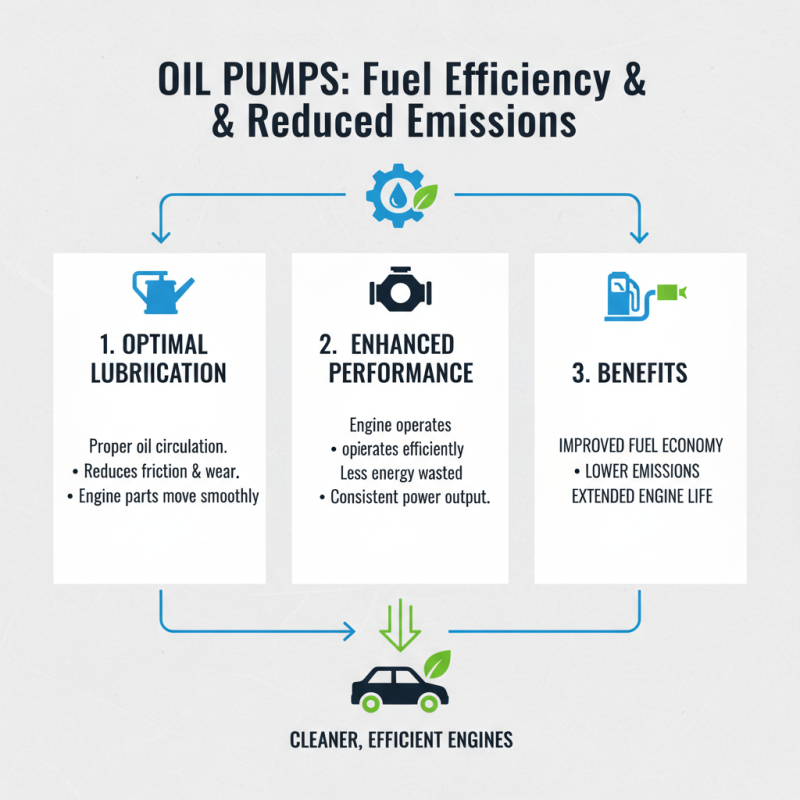
Oil pumps play a crucial role in enhancing fuel efficiency and minimizing emissions. They ensure proper oil circulation, allowing engines to operate smoothly. When engine parts receive sufficient lubrication, wear and tear decreases. This leads to improved fuel economy. A well-lubricated engine functions at optimal performance levels.
Moreover, oil pumps help reduce harmful emissions. When engines are less friction-ridden, they burn fuel more completely. This results in fewer pollutants being released into the atmosphere. However, it's essential to choose the right pump for specific engine types. Using the wrong oil pump can negate the benefits and create new issues. Regular maintenance and checks are necessary to ensure the pump is working effectively.
In real-world applications, the impact of oil pumps becomes apparent. Vehicles equipped with efficient oil pumps often outperform those that aren’t. Some people may overlook this aspect. They might focus solely on other engine components. Yet, without a reliable oil pump, performance suffers. Understanding this relationship can lead to better choices for vehicle maintenance.
Enhancement of Engine Longevity and Reliability via Oil Circulation
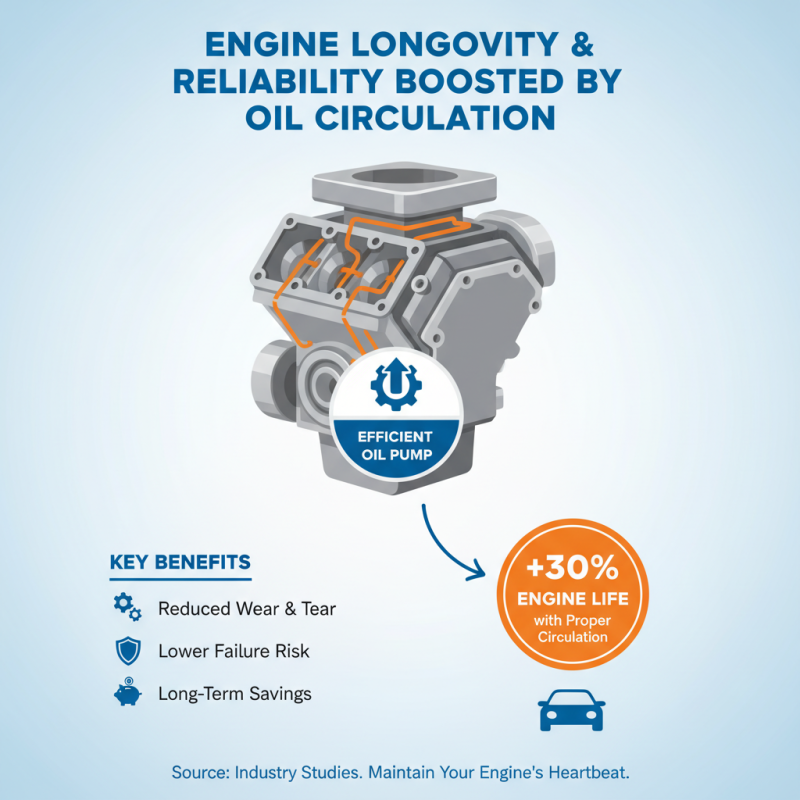
The enhancement of engine longevity and reliability through efficient oil circulation is vital. A well-functioning oil pump is essential in maintaining optimal oil flow. According to studies, proper circulation can increase engine life by 30%. This is significant for vehicle owners seeking long-term savings. Quality oil circulation minimizes wear and tear, reducing the risk of catastrophic engine failures.
Without a reliable oil pump, oil may not reach critical engine components. This can result in overheating and excessive friction. In a recent report, nearly 40% of engine failures stem from inadequate lubrication. Ensuring consistent oil delivery can mitigate these risks. Regular checks of the oil pump's functionality are crucial to prevent unforeseen breakdowns.
However, not all oil pumps perform equally. Some may offer features that enhance circulation but could lead to increased wear over time. Users should reflect on the balance between performance and longevity. Monitoring oil quality and pump efficiency will result in better overall engine health. Regular maintenance can lead to more reliable performance and potentially lower repair costs.
Support for High Performance in Racing and Heavy-Duty Applications
In racing and heavy-duty applications, oil pumps play a critical role in maximizing performance.
High-performance engines require efficient lubrication to reduce friction and heat. According to a report by the
Society of Automotive Engineers (SAE),
proper oil circulation can increase engine efficiency by up to 20%. This
increase means faster lap times and better acceleration on the track.
Moreover, with high-speed operation, oil stability becomes crucial. Conventional pumps sometimes fail under
extreme conditions. Research indicates that nearly 30% of engine failures stem from
inadequate oil pressure. Racing teams rely on specialized oil pumps that can handle high RPMs and turbulent
flow conditions. These pumps ensure that every component receives the necessary lubrication for optimal performance.
However, there are challenges. Not all oil pumps are created equal, and selecting the right one is essential.
Performance might dip if an incorrect pump is used. Furthermore, regular maintenance cannot be overlooked.
Worn-out components can lead to catastrophic failures. Data from industry surveys show
that nearly 40% of racers experience engine issues due to inadequate maintenance.
Understanding these aspects can guide better choices in selecting an oil pump for racing and heavy-duty applications.
Customization Options for Different Engine Types with Oil Pump Systems
When selecting an oil pump system, customization is crucial for optimizing performance. Different engines require tailored solutions. For example, performance engines often need high-flow pumps. These pumps deliver oil quickly, ensuring proper lubrication during intense operations. Conversely, eco-friendly engines may benefit from low-pressure pumps. They maximize efficiency without compromising the engine’s needs.
Understanding the engine's unique demands helps in making informed decisions. Some systems allow for adjustable pressure settings. This flexibility can adapt to various driving conditions. Yet, the challenge remains in setting these parameters correctly. Incorrect settings may lead to under or over-lubrication, which is detrimental. Engineers must constantly reassess and adjust these options based on performance feedback.
Customization also extends to materials used in the oil pumps. For heavy-duty engines, robust materials are paramount. In contrast, lightweight designs are more suitable for racing applications. Balancing weight and strength is not always straightforward. It requires careful consideration and often trial and error. Paying attention to these details is essential for achieving optimal performance outcomes.
Top 10 Benefits of Using an Oil Pump for Efficiency and Performance
This chart illustrates the benefits of using an oil pump system in engines, highlighting how it enhances efficiency and performance across various dimensions.