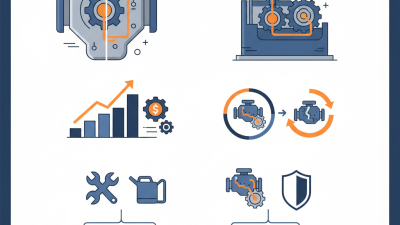
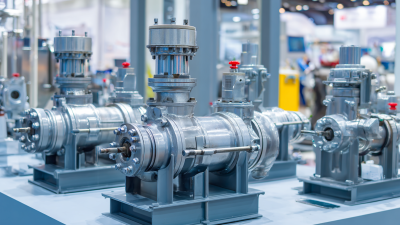
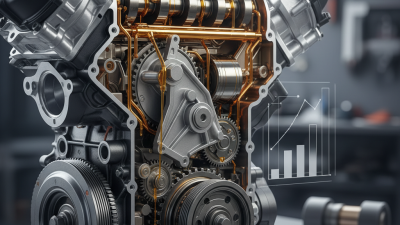
Choosing the right oil pumps begins with the work they must perform, not the shine of a catalog photograph. A transfer pump beside a storage tank faces different demands from a lubrication pump inside a hot, vibrating machine. Buyers should compare flow rate, pressure, fluid viscosity, materials, seal design, and maintenance access. Small details matter. A worn seal can leave a dark streak beneath a pump; poor sizing can waste energy or shorten service life. The best supplier explains these trade-offs clearly and provides specifications that match the stated operating conditions.
Machinery reliability author Heinz P. Bloch offers useful perspective for evaluating equipment over its full service life. The following line is an editorial paraphrase of reliability principles, not a verbatim quotation: “Choose for the real duty cycle, then verify performance with evidence.” That distinction matters. A polished brochure is not proof of dependable operation. Ask manufacturers for test data, installation guidance, spare-parts availability, and documented service experience. Check whether their recommendations account for start-up frequency, temperature changes, and contamination risks. Global buyers should also confirm that documentation and support are practical in their regions. There is no universal best pump. Even a careful shortlist can miss a site-specific issue, so technical review remains essential before purchase.
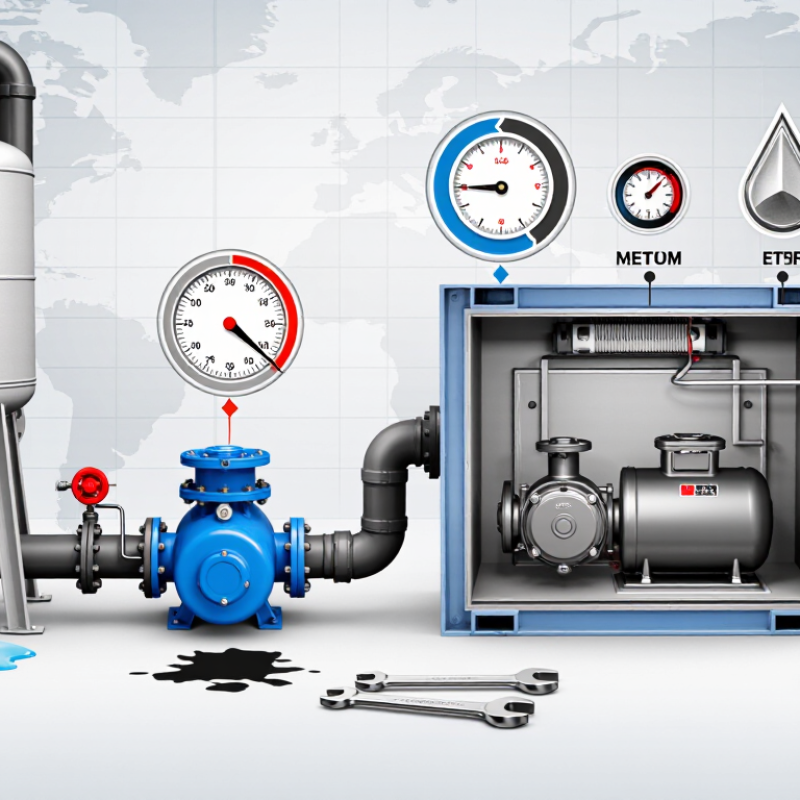
Oil pumps move liquids through extraction, refining, chemical processing, power generation, and plant utilities. They transfer crude, circulate lubricants, feed boilers, and support hydraulic equipment. Centrifugal pumps suit steady, high-flow service with relatively low-viscosity liquids. Positive-displacement designs often handle thicker oils or controlled dosing. Selection depends on flow, pressure, temperature, viscosity, solids, and suction conditions. Small details matter. A cold morning can make viscous oil harder to move than a warm design-point calculation suggests.
The U.S. Department of Energy’s Improving Pumping System Performance: A Sourcebook for Industry reports that pumping systems account for nearly 20% of global electricity demand and 25–50% of energy use in some industrial operations. That makes efficiency an operating concern, not just a brochure feature. Engineers should compare duty points, motor loading, pipe losses, and control methods; throttling a poorly matched pump can waste power. Seal choice and material compatibility also affect reliability, especially with hot or abrasive fluids. Not always. A highly efficient pump may still fail early if maintenance access, alignment, or inlet conditions are overlooked. Field checks should verify actual flow and pressure, since drawings and operating conditions sometimes disagree.
When comparing oil pump manufacturers, start with the duty point, not the catalogue’s best-case efficiency. Share the oil’s viscosity and temperature, required flow, pressure, and operating hours. Ask for performance curves at those conditions. A curve tested with thin oil may not reflect a cold start with viscous fluid. Numbers matter. The IEA’s 2011 report, Energy-Efficient
Policy Opportunities for Electric Motor-Driven Systems, estimated that motor-driven systems use about 45% of global electricity. That figure covers many applications, not pumps alone, but it shows why operating efficiency deserves scrutiny.
Check how each supplier verifies performance and material compatibility. For rotodynamic pumps, ask whether testing follows ISO 9906; for positive-displacement designs, request the test method and tolerances in writing. Ask for measured flow, pressure, power, leakage, and test-fluid properties. Ask for references involving similar oil and duty cycles, plus realistic lead times for seals and other wear parts. Ask for evidence. I have seen buyers focus heavily on purchase price and overlook service access; it is an easy mistake. Compare lifecycle costs, but treat projected savings cautiously unless the assumptions are visible. A clear test record is more useful than a polished promise.
Leading oil pump manufacturers in global markets are judged by more than production volume. Buyers should compare pump type, flow range, pressure rating, and compatibility with the intended fluid. Viscosity matters. So does temperature. A pump designed for light oil may perform poorly with a thicker fluid, especially during cold starts. Ask for test data that reflects actual operating conditions, not only ideal laboratory settings.
Reliable suppliers provide clear material specifications, installation guidance, and access to replacement parts. Details matter. Look for information on seals, housing materials, and expected maintenance intervals. For international projects, confirm that documentation and applicable certifications meet the destination market’s requirements; these can vary. A polished catalogue is not proof of dependable performance. Buyers can request references for similar duties and clarify warranty terms before ordering. It is easy to overvalue a high flow rating, but that figure alone says little about efficiency or service life. A careful comparison may take longer, yet it can reveal gaps that a quick quote misses.
| Pump Type | Operating Principle | Typical Oil Applications | Key Advantages | Selection Considerations |
|---|---|---|---|---|
| External Gear Pump | Two meshing gears carry fluid from the inlet to the outlet in fixed volumes. | Lubricating-oil circulation, fuel-oil transfer, and general industrial oil transfer. | Compact design, straightforward construction, and dependable performance with clean fluids. | Check oil viscosity, required flow and pressure, operating temperature, and the fluid’s cleanliness. Abrasive contamination can accelerate wear. |
| Internal Gear Pump | An inner rotor and an outer ring gear move fluid through expanding and contracting chambers. | Transfer of lubricating oils, heavy fuel oils, and other viscous process oils. | Handles a broad range of viscosities and generally provides smooth, low-pulsation flow. | Confirm the viscosity range at start-up and operating temperature. High-viscosity fluids may require reduced speed or inlet-flow provisions. |
| Screw Pump | One or more rotating screws convey fluid continuously along the pump casing. | Oil transfer, fuel handling, and continuous-duty lubrication systems. | Continuous, low-pulsation delivery; suitable designs can handle viscous oils at steady flow. | Match the screw design to the oil viscosity and duty. Check inlet conditions, speed, solids tolerance, and the manufacturer’s minimum-flow guidance. |
| Vane Pump | Sliding vanes in a rotating rotor form chambers that draw in and discharge fluid. | Hydraulic-oil systems and selected oil-transfer duties requiring smooth delivery. | Smooth flow and a compact layout; some designs offer adjustable displacement. | Verify oil cleanliness, viscosity, and temperature limits. Contamination and inadequate lubrication can increase vane and casing wear. |
| Centrifugal Pump | A rotating impeller adds velocity to the fluid, and the casing converts much of that velocity into pressure. | High-flow transfer of relatively low-viscosity oils and circulation duties. | Continuous flow, simple operation, and suitability for applications requiring comparatively large flow rates. | Performance depends on viscosity and operating point. Check flow, head, suction conditions, and whether the oil is too viscous for efficient operation. |
| Piston or Plunger Pump | Reciprocating pistons or plungers displace fluid within cylinders; configurations vary by design. | High-pressure hydraulic-oil service and specialized oil injection or metering duties. | Can provide high pressure; some designs offer adjustable displacement or precise delivery. | Confirm pressure, flow, pulsation requirements, filtration, and duty cycle. Pulsation control may be needed in some installations. |
| Buyer note: Pump performance varies by design and operating conditions. Specify the oil type, viscosity at start-up and operating temperature, required flow and pressure, suction conditions, operating hours, and applicable industry or local requirements when comparing suppliers. | ||||
For global buyers, comparing oil pump manufacturers means looking beyond catalogue size. A supplier may offer gear, screw, centrifugal, and transfer pumps, yet lack the exact viscosity range or seal arrangement your process needs. Check flow, pressure, temperature, materials, and duty cycle against your operating conditions. Fit matters. A pump that performs well with light oil may struggle with a colder, more viscous fluid at startup.
Quality should be judged through documented testing, traceable materials, and clear performance curves—not polished claims alone. The U.S. Department of Energy’s Improving Pumping System Performance: A Sourcebook for Industry reports that pumping systems account for nearly 20% of global electricity demand, and can use 25–50% of energy in some industrial facilities. That makes efficiency more than a brochure detail. Ask for test conditions and expected performance at your actual operating point; a small mismatch can mean persistent energy waste.
After-sales support can determine how quickly a plant recovers from a failure. Compare spare-parts availability, response times, troubleshooting access, and technician coverage in your region. Ask whether the supplier can help diagnose vibration, leakage, or declining flow—not just ship replacement parts. Downtime hurts. A broad service promise is not proof of local capability, so verify it with a practical example or reference. No comparison is perfect; delivery lead times and support quality can change by location.
Choosing an oil pump manufacturer begins with the operating conditions, not a catalog photo. Specify the oil’s viscosity, temperature, required flow, discharge pressure, and duty cycle. Share these figures with potential suppliers and request a performance curve based on your actual fluid. A curve for water may mislead when pumping thick oil. Small detail, big difference.
Efficiency deserves attention. The U.S. Department of Energy’s Improving Pumping System Performance: A Sourcebook for Industry estimates that pumping systems use nearly 20% of global electricity demand. This figure covers pumping systems broadly, not oil pumps alone, but it shows why efficiency and correct sizing matter. Ask for test results, expected operating range, and details on seal and bearing materials. For centrifugal process pumps, confirm whether API 610 is relevant to your application.
Check how the manufacturer handles quality control, spare parts, and service across your site’s location. Request references for similar fluids and operating pressures, then ask what happens if the pump runs outside its preferred range. A polished datasheet is not enough. I would also compare lead times and maintenance access, though these can be easy to overlook when specifications dominate the discussion. A final fit check against your piping and foundation can prevent costly surprises.