2026 Top Spark Plug Types for Global Buyers?
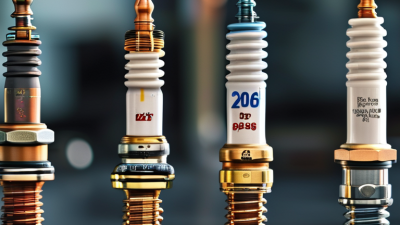
The 2026 Top Spark Plug Types for Global Buyers guide begins with a practical question: what does the engine actually require? The spark plug is small, yet its heat range, electrode material, thread size, and reach can affect starting, fuel use, and service life. Copper-core plugs usually offer economical performance for older engines. Platinum and iridium designs often support longer replacement intervals and stronger ignition consistency. Double-platinum plugs remain relevant for waste-spark ignition systems.
Global demand still reflects a mixed vehicle landscape. OICA reported approximately 75.6 million motor vehicles produced worldwide in 2024. Meanwhile, the International Energy Agency reported more than 17 million electric car sales in 2024. Internal-combustion engines therefore remain widespread, but their market is changing. Buyers must evaluate regional fleets, hybrid adoption, fuel quality, and workshop capability.
Technical selection should follow the manufacturer’s specification, not marketing language. The U.S. Department of Energy’s vehicle technology resources emphasize correct ignition timing, combustion efficiency, and emissions control. SAE standards also support consistent testing and component identification. Market forecasts from Grand View Research, Fortune Business Insights, and MarketsandMarkets show continued demand for advanced spark plugs, although their market estimates differ noticeably. That disagreement deserves attention.
A lower-cost plug may suit a simple engine, while a fine-wire iridium plug may better serve a turbocharged model. However, premium material does not correct an incorrect heat range. Buyers should verify part numbers, gasket style, terminal design, and counterfeit risks. No single type wins everywhere. That is the uncomfortable part. A reliable choice depends on evidence, fitment data, and real operating conditions.
What Are Spark Plugs and Why Do Their Types Matter?
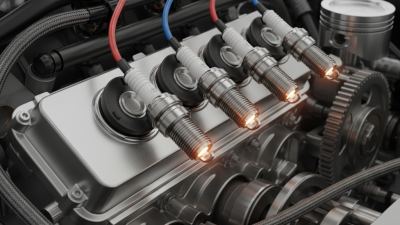
A spark plug is a small ignition component inside a gasoline engine. It delivers an electric spark across a controlled gap. That spark ignites the compressed air-fuel mixture in the cylinder. Without reliable ignition, starting becomes difficult, combustion weakens, and fuel consumption may rise.
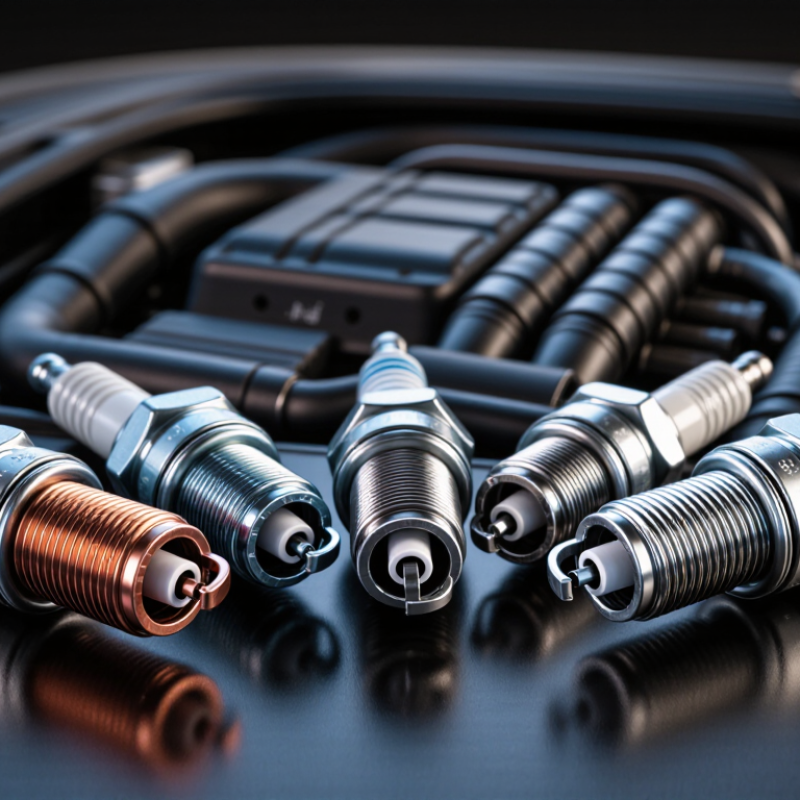
Spark plug types matter because engines create different temperatures, pressures, and electrical demands. A cold heat range plug transfers heat quickly, while a hot plug retains more heat. The wrong choice can encourage fouling or overheating. Copper-core designs often provide strong conductivity and affordable replacement. Fine-wire precious-metal electrodes usually support longer service life and more stable ignition. Resistor plugs can also reduce electrical interference in modern vehicles.
Fit matters just as much. Thread diameter, reach, seat design, heat range, and electrode gap must match the engine specification. A plug that looks similar may still damage internal parts or perform poorly. During inspections, technicians often check the insulator color, deposits, and electrode wear. Dry black deposits can suggest incomplete combustion, but diagnosis is rarely that simple. I once blamed a worn plug for rough running, then found a weak ignition coil. That mistake was useful. It showed why plug selection should follow measured symptoms and manufacturer data, not appearance alone.
Some engines need frequent checks in dusty, hot, or stop-and-go conditions. Careful installation helps too. Clean threads, correct torque, and a suitable gap protect both performance and the cylinder head. Small details matter.
How Are Spark Plugs Classified by Material and Design?
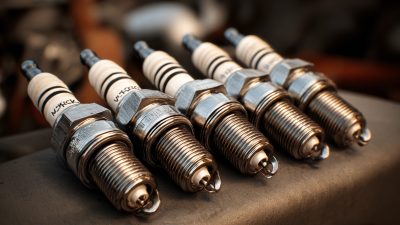
Spark plugs are commonly classified by electrode material, shell design, heat range, and firing geometry. Material affects durability, conductivity, and cost. Copper-core plugs transfer heat quickly and suit many conventional engines. Their service life may be shorter under severe temperatures. Nickel-alloy electrodes offer practical resistance and predictable performance. They remain common in standard replacement work. Precious-metal electrodes, such as platinum or iridium, use finer tips. The smaller tip can require less firing voltage. It may also support a stable spark in modern engines. Materials alone do not determine suitability.
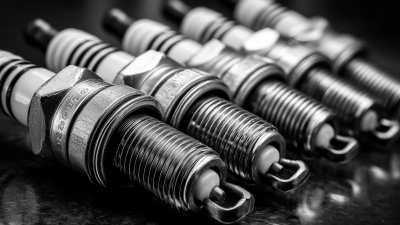
Design classification adds another layer. A plug may use a projected insulator nose, tapered ground electrode, multiple ground electrodes, or a compact shell. Projected designs place the spark deeper inside the combustion chamber. This can improve flame exposure, but clearance must be checked carefully. Tapered electrodes can reduce shrouding around the spark. Multiple grounds do not create several sparks at once. They mainly provide alternative wear paths. That detail is often misunderstood. Thread size, reach, seat style, and terminal shape also matter. A correct thread with the wrong reach can cause serious engine damage.
In workshop inspections, reading the engine specification remains the safest starting point. Check heat range, gap, torque, and installation depth. A colder plug is not automatically better for high-load driving. A hotter plug is not a universal cure for fouling. Real operating conditions matter. Fuel quality, ignition control, load, and repeated short trips can change results. I have seen clean-looking plugs hide poor gap control. Measurement beats visual guesswork. Classification helps narrow choices, but testing and service records should guide the final decision.
2026 Top Spark Plug Types for Global Buyers
How Are Spark Plugs Classified by Material and Design?
Spark plugs are commonly classified by electrode material and ground-electrode design. The chart shows representative replacement-interval midpoints in thousand kilometers: nickel-alloy plugs generally have standard electrodes, platinum plugs use precious-metal tips, and iridium plugs use fine-wire center electrodes. Multi-ground designs can improve ignition consistency, but actual service life depends on engine type, fuel quality, operating conditions, ignition calibration, and vehicle maintenance requirements.
Values are representative industry ranges converted to approximate midpoints; they are not guarantees for every vehicle application.
Which Spark Plug Types Suit Different Engines and Vehicles?
For 2026 buyers, choosing a spark plug starts with the engine, not the sales label.
A small commuter engine usually works well with a standard nickel-alloy plug. It costs less and suits routine replacement schedules. Modern engines often benefit from platinum or iridium electrodes. Their fine tips need less voltage and usually resist erosion longer. That matters in stop-and-go traffic, where repeated starts create extra stress. Still, longer life does not guarantee better performance.
High-compression gasoline engines need careful heat-range and gap selection.
A colder plug can help control heat during sustained heavy loads. A warmer plug may suit low-load engines that run cool. Choose incorrectly, and deposits or excessive heat may develop. Turbocharged engines demand closer attention to cylinder pressure and manufacturer specifications. Resistor plugs can reduce electronic interference in vehicles with sensitive control systems. Motorcycles, scooters, lawn equipment, and marine engines may use different thread lengths. Never judge fit by diameter alone. Reach can be decisive.
For older engines, copper-core designs can provide reliable ignition and easy troubleshooting.
They are practical when frequent inspection is acceptable. For family cars, long-life fine-wire plugs often reduce service interruptions. Performance vehicles may require precise gaps, stronger ignition systems, and colder heat ranges. Check the service manual before changing plug material or temperature range. A visual inspection can reveal wet fuel, rounded electrodes, ash, or black soot. I would not trust color alone, though; driving conditions can mislead the diagnosis. That detail is easy to overlook.
What Should Buyers Check Before Selecting Spark Plugs in 2026?
2026 Top Spark Plug Types for Global Buyers?
What Should Buyers Check Before Selecting Spark Plugs in 2026?
Selecting spark plugs in 2026 requires more than matching a vehicle model. Buyers should verify engine code, cylinder count, thread diameter, thread reach, and sealing style. A small mismatch can cause poor compression or difficult installation. Check the manufacturer’s service data, not only an online product table.
Heat range deserves careful attention. A plug that runs too cold may collect deposits during short city trips. One that runs too hot may increase combustion stress. Compare the recommended heat range with local driving conditions, towing loads, altitude, and fuel quality. Copper-core, platinum, and iridium designs offer different service expectations, but material alone does not guarantee better performance.
Measure the electrode gap before installation. Factory settings can shift during shipping or handling. Use a calibrated gap tool, and avoid forcing a fine electrode sideways. Confirm the terminal shape, resistor specification, and required tightening torque. A torque wrench is useful here. It prevents both loose installation and damaged threads.
Packaging should show clear part data, batch information, and readable markings. Traceable documents matter when purchasing across borders. I still recheck catalog information against the engine manual because digital listings can contain errors. That step feels repetitive. It has prevented expensive mistakes. Buyers should also inspect ceramic insulation and threads for cracks before fitting. A short road test can reveal rough idle, hesitation, or starting changes.