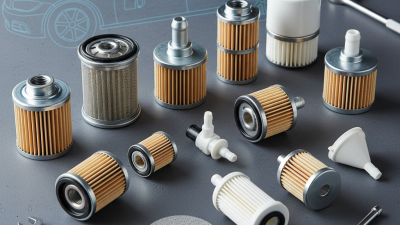
Top 10 Tempest Filters for Global Buyers in 2026
Choosing the right tempest filters can affect equipment protection, maintenance costs, and workplace reliability. Global buyers need more than attractive specifications or broad supplier claims. They need evidence.
This guide introduces ten tempest filters selected for practical comparison in 2026. The evaluation considers filtration efficiency, airflow resistance, material quality, service life, replacement access, and documented testing. It also reviews operating conditions, including dust levels, humidity, temperature changes, and continuous-duty requirements. Details matter.
A filter that performs well in a clean warehouse may struggle near construction sites or coastal facilities. Buyers should check dimensions, pressure-drop data, compatibility, and installation instructions before ordering. Certification documents should come from identifiable manufacturers or recognized testing laboratories. Marketing language alone is not enough.
Supplier responsiveness also matters. Clear warranty terms, traceable product information, stable packaging, and realistic delivery estimates can reduce procurement risks across borders. However, availability and shipping conditions may change during the year. Performance varies.
The rankings are intended as a practical starting point, not a universal verdict. A lower-ranked option may suit a specific machine, climate, or maintenance schedule better. That is an important limitation. Readers should confirm technical requirements with qualified engineers and compare current documentation before purchase.
Some product information may be incomplete or revised by manufacturers. We have tried to emphasize verifiable details, but careful buyers should still question unclear claims. With the right checks, this overview can support more confident, cost-aware decisions in the global filter market.
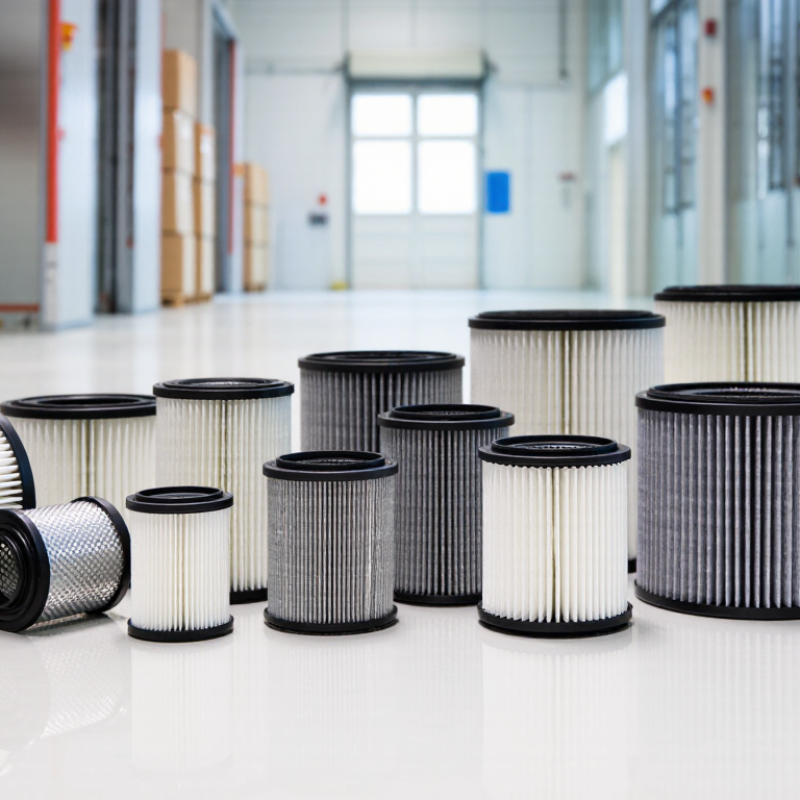
What Tempest Filters Are and How They Work
Tempest filters are filtration components used in piston-engine aircraft systems, especially for oil and crankcase ventilation. They work by forcing fluid or vapor through a porous media layer. Contaminants remain trapped, while cleaner oil or air continues through the system. Some designs also separate oil droplets from crankcase gases before those gases leave the engine.
The practical value is measurable.
The FAA’s 2022 General Aviation and Part 135 Activity Survey recorded about 25.5 million flight hours.
That volume shows why consistent filtration and inspection matter. A restricted filter can increase pressure, reduce lubrication flow, or raise oil temperature. A damaged filter can pass abrasive particles into bearings and cylinder surfaces. Small particles cause large problems.
Maintenance teams should verify part numbers, thread specifications, seals, and approved service intervals before installation. FAA Advisory Circular AC 43.13-1B supports using manufacturer instructions and airworthiness data during maintenance decisions.
IATA’s 2024 Safety Report recorded 40 accidents across 40.6 million commercial sectors, reminding us that safety depends on many controls, not one component.
Filter efficiency alone is not enough. In practice, I would inspect the removed filter, not just replace it. Metallic debris, dark deposits, or unusual odor may reveal an emerging fault. A clean exterior can mislead. That assumption deserves review.
Key Specifications Global Buyers Should Compare
Global buyers comparing the top 10 tempest filters in 2026 should examine performance data, not attractive product claims. Filtration efficiency is a practical starting point. Ask whether results use standardized particle sizes, airflow, and test conditions. A high efficiency rating may become less useful when pressure rises.
Check rated airflow in cubic meters per hour and measure pressure drop at that flow. A filter that looks efficient may restrict equipment performance. Compare filter media, surface area, sealing quality, and construction materials. These details affect dust loading, leakage, and service life.
Pay close attention to operating temperature and humidity ranges. Coastal warehouses may need different protection than dry inland facilities.
Size matters greatly. Confirm housing dimensions, connection type, installation clearance, and replacement access before ordering. I have seen technically suitable filters fail because maintenance teams could not remove them safely. Review initial cost, expected replacement intervals, cleaning requirements, and transport weight. Total ownership cost is more reliable than purchase price alone.
Request independent test reports, batch traceability, warranty terms, and documented quality controls. Certification can help, but its scope must match the actual application. Some datasheets remain vague about real-world loading. That deserves caution. A short pilot test under normal operating conditions can reveal noise, pressure changes, and premature saturation before a large purchase.
Top 10 Tempest Filters for Different Industrial Applications
Top 10 Tempest Filters for Different Industrial Applications
The best Tempest filter depends on the contaminant, airflow, temperature, and cleaning method. Metalworking shops often need filters that handle oil mist and fine chips. Welding areas require efficient particle capture without restricting extraction. Woodworking systems face heavier dust loads and sudden pressure changes. Cement and mining plants need durable media for abrasive, alkaline dust. Food processing demands cleanable surfaces and suitable materials for controlled environments. Pharmaceutical production requires precise filtration and documented performance. Chemical facilities must check media compatibility against vapors and corrosive particles. Laser cutting needs filters designed for smoke, fumes, and microscopic debris. HVAC systems prioritize stable airflow and low maintenance. High-temperature processes require heat-resistant construction and reliable sealing.
Tips: Measure pressure drop during a normal shift, not only during commissioning. Check the dust type, moisture level, and operating temperature. A filter rated for fine particles may perform poorly with sticky mist. Confirm dimensions before ordering. A small sealing gap can bypass the filter completely.
In practice, selection is rarely perfect on the first attempt. Actual dust behavior can differ from laboratory data. Review airflow readings, cleaning frequency, and collected material after installation. Replace filters before pressure loss affects production, but avoid changing them too early. This balance reduces waste and protects equipment.
Top 10 Tempest Filters for Global Buyers in 2026
Top 10 Tempest Filters for Different Industrial Applications
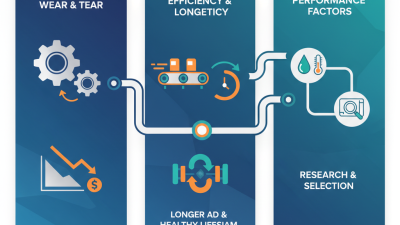
The chart compares representative filtration ratings commonly specified for major industrial applications. Lower micron values indicate finer particle filtration. Actual selection depends on flow rate, pressure, contaminant type, temperature, media compatibility, and the required efficiency test standard.
International Standards, Certifications, and Compatibility Checks
Top 10 Tempest Filters for Global Buyers in 2026 should be screened through standards, not appearance. The World Health Organization’s 2022 air-quality database found that 99% of people lived with air exceeding recommended pollution limits. That figure makes verified filtration performance more than a purchasing detail.
For each Tempest filter, request an accredited test report showing ISO 16890 results for general ventilation. Higher-risk applications may require EN 1822 classification for EPA, HEPA, or ULPA performance. ASHRAE 52.2 MERV ratings can support comparison, but they should not replace the required regional standard. Check the report number, test laboratory, production batch, and tested airflow. A certificate without traceability is weak evidence.
Compatibility deserves equal attention. Measure the frame, gasket depth, airflow direction, and available installation space. Record the initial pressure drop at the system’s actual airflow, not only the laboratory value. Review temperature, humidity, dust loading, and chemical exposure. Filter media may pass a clean-air test yet fail quickly in a damp plant room. The UNEP 2024 Global Status Report links buildings with 32% of global energy consumption, so excessive pressure drop can also raise fan energy use. A perfect ranking is unrealistic. Field checks sometimes expose mismatched dimensions, unclear certificates, or replacement intervals that were too optimistic.
Pricing, Supplier Evaluation, and Purchase Considerations in 2026
Global buyers should compare aircraft filter pricing by application, not by catalogue position. Basic disposable units often cost about USD 25–80, while specialized, traceable filters may exceed USD 150. Freight, certification documents, minimum order quantities, and currency changes can add 10–30% to landed cost. Grand View Research’s 2024 industrial air filtration analysis reported steady market growth through 2030, reflecting stronger demand for dependable filtration and replacement planning.
Supplier evaluation needs evidence. Request batch numbers, material specifications, shelf-life data, inspection records, and documented quality procedures. FAA maintenance guidance emphasizes approved methods, suitable parts, and accurate maintenance records.
IATA’s 2024 World Air Transport Statistics recorded 4.7 billion air passengers, showing why reliable component availability matters across busy maintenance networks. Still, passenger growth does not guarantee every supplier’s capacity.
Ask for delivery performance from the previous twelve months. Check whether the supplier keeps regional inventory or relies on third-party forwarding. Compare pressure-drop data, seal quality, packaging, and return handling. These details affect real operating cost. A low quote can hide slow documentation. I would not trust a polished website alone. One practical weakness remains: many buyers compare unit prices, but ignore downtime risk and emergency freight. Independent verification is worth the extra day.