What Are the Benefits of Using a Pneumatic Pump for Your Business?
In today's fast-paced industrial landscape, the pneumatic pump stands out as a vital component for businesses. According to a recent industry report by MarketsandMarkets, the global pneumatic pump market is projected to reach $5.3 billion by 2025, driven by increased demand for efficiency and precision in various applications. This growth highlights the advantages that pneumatic pumps bring to the manufacturing sector and beyond.
Pneumatic pumps are known for their reliability and ease of use. They typically require less maintenance than mechanical counterparts, contributing to lower operational costs. Their ability to handle various materials, from liquids to powders, further enhances their appeal. However, not all companies leverage this technology effectively, reminding us that selecting the right pump is crucial for achieving desired outcomes.
While the benefits are compelling, businesses must also consider factors such as energy consumption and system compatibility. A poorly integrated pneumatic pump could lead to inefficiencies. Thus, careful evaluation and expert consultation are essential to maximize the advantages they offer. As companies navigate this complex landscape, understanding the full potential of pneumatic pumps can be a game-changer.
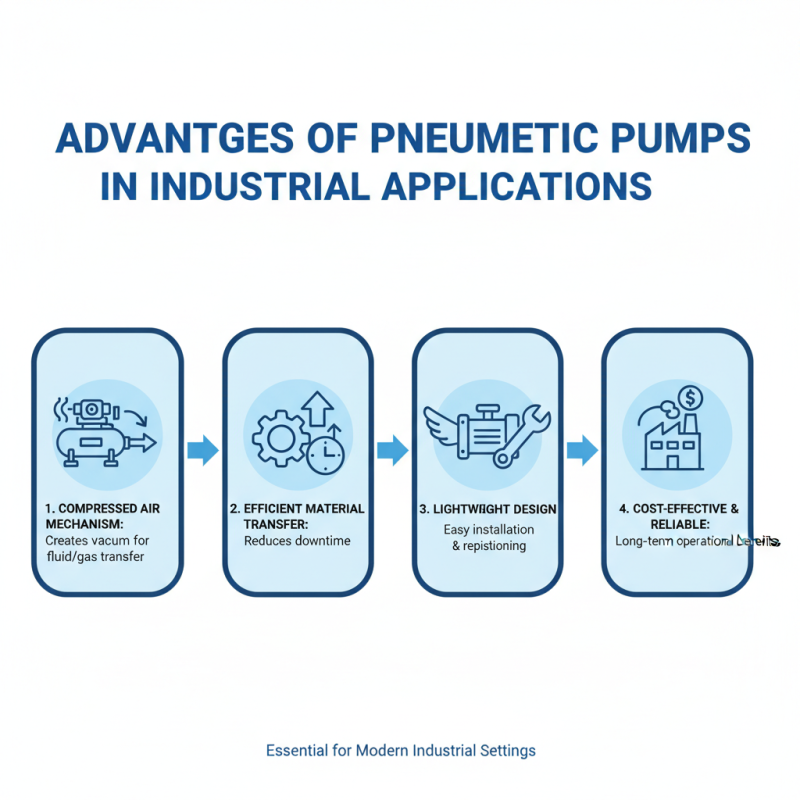
Advantages of Pneumatic Pumps in Industrial Applications
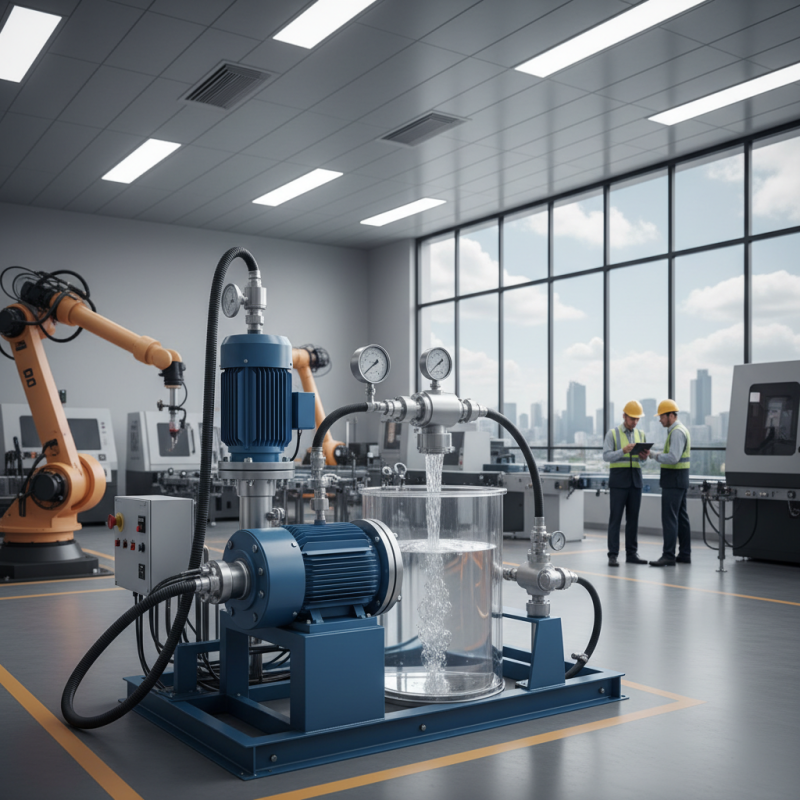
Pneumatic pumps have become essential in many industrial settings. They use compressed air to create a vacuum, which draws fluids and gases effectively. This mechanism allows for efficient material transfer, reducing downtime. Businesses benefit from their lightweight design, making them easier to install and reposition.
Using pneumatic pumps can also improve safety in the workplace. They minimize the risk of electrical hazards and reduce potential leaks. Their robust design often leads to fewer maintenance needs. However, it is crucial to consider that not all applications may suit pneumatic pumps. They can be less efficient for high-viscosity fluids. This limitation should spark a discussion on pump suitability for various tasks.
Training staff on proper handling is necessary. A lack of understanding can lead to misuse and inefficiencies. Some may overlook the importance of regular inspections. Without routine checks, performance can degrade over time. Emphasizing education and proper practices can significantly enhance performance and reliability in industrial applications.
How Pneumatic Pumps Enhance Operational Efficiency
Pneumatic pumps can significantly enhance operational efficiency in various industries. These pumps convert compressed air into mechanical energy, allowing for reliable and consistent fluid handling. According to industry reports, businesses can see up to a 30% increase in productivity when switching to pneumatic systems. This is largely due to their quick response times and minimal downtime.
By utilizing pneumatic pumps, businesses can experience a reduction in maintenance costs. Studies show that they require less upkeep than hydraulic or electric pumps. Their design minimizes wear and tear, offering longevity and reduced operational interruptions. Moreover, pneumatic systems often operate in hazardous environments more safely than their counterparts, contributing to a safer workplace.
However, not every application benefits equally from pneumatic pumps. For instance, they may struggle with very viscous fluids. Proper system selection is crucial for maximizing their advantages. Additionally, the energy consumption for compressed air can be higher than expected, leading some to reflect on their efficiency trade-offs. Decision-makers must weigh these factors to ensure optimal performance while avoiding potential pitfalls.
Cost-Effectiveness of Using Pneumatic Pumps in Businesses
Pneumatic pumps offer a strong cost advantage for businesses. Their efficient operation can significantly reduce energy consumption. A report by the Fluid Power Society indicates that pneumatic systems can be up to 30% more energy-efficient compared to traditional electric systems. This means potential savings on utility bills, impacting a company’s bottom line favorably.
Moreover, pneumatic pumps are less prone to maintenance issues. This reliability can lower operational costs over time. According to industry studies, companies utilizing pneumatic systems experience a 25% reduction in maintenance expenses. Enhanced durability leads to fewer replacements, ensuring a better return on investment.
Tip: Regularly assess your pneumatic pump's usage and performance. Monitoring can help identify inefficiencies. Small adjustments may further enhance cost savings.
Investing in pneumatic technology may seem daunting initially. However, businesses often find long-term savings. Understanding specific needs is crucial for selecting the right system. Each facility has unique demands, and one size does not fit all. Careful planning and research can yield significant benefits.
Environmental Benefits of Pneumatic Pump Technology
Pneumatic pumps offer significant environmental advantages. They use compressed air, reducing reliance on electrical power. This helps decrease greenhouse gas emissions. Many traditional pumps consume large amounts of energy. In contrast, pneumatic pumps operate with lower energy costs.
These pumps often generate less waste. Since they work efficiently, they result in fewer byproducts. In many cases, they are easier to maintain than electric pumps. Lower maintenance means less environmental impact over time. However, the use of compressed air can lead to inefficiencies if not managed properly.
Moreover, pneumatic pumps can minimize chemical spills. They are designed for safe fluid transfer, which protects ecosystems. Yet, some operators may overlook proper training. Operators need to understand the technology. Misuse can lead to leaks and accidents. Improving operations requires consistent learning and awareness.
What Are the Benefits of Using a Pneumatic Pump for Your Business? - Environmental Benefits of Pneumatic Pump Technology
| Benefit Category |
Description |
Environmental Impact |
| Energy Efficiency |
Pneumatic pumps consume less energy compared to electric pumps. |
Lower energy consumption results in reduced greenhouse gas emissions. |
| Reduced Waste |
Pneumatic pumps minimize the risk of fluid leakage. |
Decreased leakage contributes to less environmental contamination. |
| Durability |
Designed for long-term use with minimal maintenance. |
Longer lifespan reduces waste and promotes sustainability. |
| Safety |
Lower risk of electrical hazards compared to electric pumps. |
Enhanced safety leads to fewer accidents and risks to the environment. |
| Versatility |
Can handle a wide range of fluids and applications. |
Flexibility reduces the need for multiple systems, minimizing resource consumption. |
Safety Features and Reliability of Pneumatic Pumps in Workplaces
Pneumatic pumps offer significant safety features that enhance workplace reliability. They rely on compressed air, reducing the risk of electrical hazards. In environments where flammable materials are present, this is crucial. Pneumatic systems often come with built-in pressure relief valves, preventing excess pressure buildup. Regular maintenance can help ensure these features function effectively.
Another aspect of pneumatic pumps is their mechanical simplicity. Fewer moving parts tend to mean fewer breakdowns. This reliability is essential for industries that cannot afford downtime. Operators can be trained quickly on how to use these systems safely. However, user training should never be overlooked. Ignorance can lead to accidents, highlighting the importance of proper guidance.
While pneumatic pumps are generally safe, they still require attention. Regular checks can prevent unexpected failures. Equipment should be assessed for wear and tear regularly. Maintenance logs can help track these inspections effectively. Without diligence, even well-engineered systems may fail. This oversight can compromise worker safety and operational efficiency.
Benefits of Using Pneumatic Pumps in the Workplace