Choosing the best fuel oil in 2026 starts with the job it must perform. A vessel, power plant, and industrial boiler may require very different grades. Buyers also weigh sulfur limits, viscosity, stability, storage conditions, delivery access, and total cost—not just the quoted price.
The market remains substantial. The Energy Institute’s Statistical Review of World Energy 2024 reported global oil consumption above 100 million barrels per day in 2023. That figure covers oil broadly, not fuel oil alone, but it shows why supply conditions and regional logistics matter. The International Energy Agency’s Oil 2024 report examines demand, refining capacity, and trade through 2030, giving buyers useful context for evaluating availability and price exposure. For marine purchasers, the International Maritime Organization’s MARPOL Annex VI sets a 0.50% global sulfur limit for fuel oil used outside designated emission control areas. Requirements can differ by operating area, so buyers should confirm applicable specifications before contracting.
No single grade wins everywhere. Low-sulfur residual fuel, distillate grades, and other compliant options each bring trade-offs in price, handling, and equipment compatibility. A sensible comparison checks the purchase specification against a recent certificate of analysis and, where needed, independent laboratory testing. ISO 8217 can help frame marine-fuel quality requirements, but the contract still matters.
The paperwork matters. A buyer’s shortlist can look tidy on paper, yet real performance may depend on blending, tank conditions, and supplier consistency. I would not treat a low quote as proof of value. This guide compares practical fuel oil choices, while noting where regional data and product specifications require closer verification.
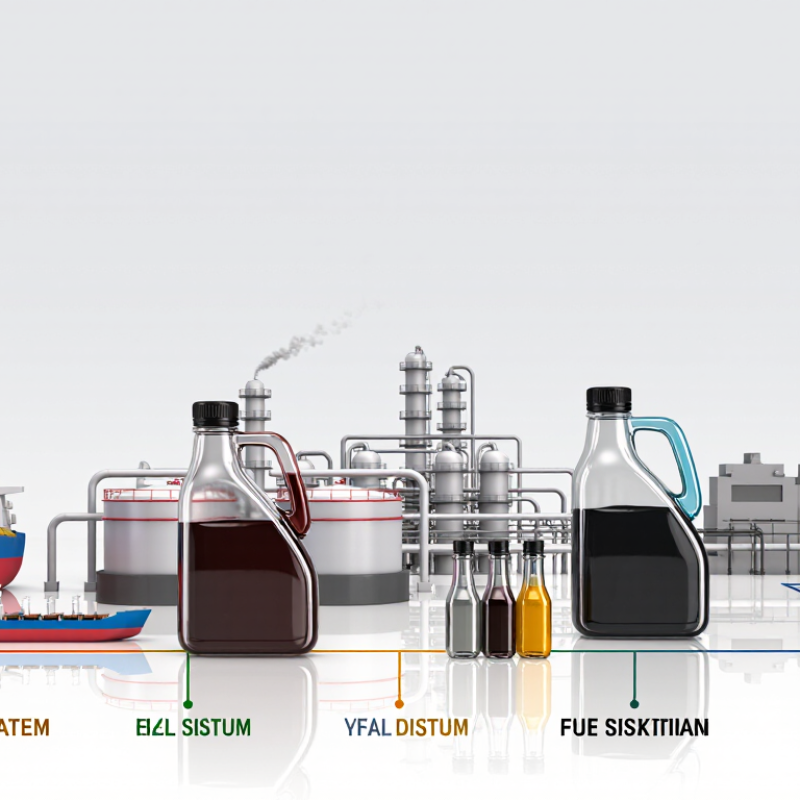
Fuel oil is a liquid petroleum product used for heating, power generation, marine engines, and industrial equipment. Its properties depend on crude oil, refining methods, and blending. A dark sample in a clear jar may look simple, but appearance alone cannot identify its grade or performance.
A common classification separates distillate fuels from residual fuels. Distillates are lighter products refined from crude oil and generally flow more easily at room temperature. Residual fuels are heavier materials left after lighter fractions are removed. They may need heating before pumping. There are also blended fuels, whose properties sit between these broad groups. The categories are useful, but not precise enough for purchasing decisions.
Specifications describe fuel in more practical terms. Buyers commonly check viscosity, density, sulfur content, flash point, and pour point against equipment requirements and applicable standards. A fuel that moves well through a warm pipe may become difficult to handle in a cold port. Grade names can also vary across markets. I would not treat a label as a complete specification. Review the supplier’s test documents, confirm the required standard, and consider how the fuel will be stored and delivered. Even then, actual operating conditions can reveal details a specification sheet cannot.
In 2026, global buyers can source residual fuel oils and distillates, but local availability varies by port. VLSFO, generally capped at 0.50% sulfur, is widely used for ocean-going vessels. Marine gas oil and marine diesel oil are cleaner-burning distillates often selected for smaller engines or tighter emission-control areas. The International Maritime Organization sets a 0.10% sulfur limit in those areas. Check the delivery location and vessel requirements before choosing a grade.
HSFO remains an option where vessels use approved exhaust-gas cleaning systems. It can cost less than low-sulfur grades, but the equipment and operating costs matter. ISO 8217:2024 provides specifications for marine fuels, including residual and distillate grades. Buyers should compare test results, not just grade names: viscosity, water, sediment, and compatibility can affect storage and engine performance. A label alone is not enough.
Supply depth is clearest in major bunkering hubs. Singapore’s Maritime and Port Authority reported 54.92 million tonnes of total bunker sales in 2024, indicating substantial activity, though not a guarantee that every grade is available at every berth. Quality varies. Ask suppliers for recent certificates of analysis and confirm delivery timing. One limitation: published market totals rarely reveal the exact grade mix at a specific port, so a local availability check remains essential.
Which fuel oil types are available to global buyers in 2026? Compare the applicable sulfur limits by fuel category.
IMO MARPOL Annex VI sets a 0.50% m/m global sulfur limit and a 0.10% m/m limit in designated Emission Control Areas (ECAs). HSFO above the applicable limit may be used where an approved equivalent compliance method, such as an exhaust gas cleaning system, is in place. Actual product specifications and availability vary by port.
Fuel-oil grades differ in how much refining they receive. Distillate fuels are lighter and generally contain fewer residual contaminants. They flow more readily through pumps, especially in cold conditions. Residual fuels are heavier blends, often with higher viscosity and more sulfur, metals, and asphaltenes. That difference is tangible: a cold, thick residual fuel can demand heating before pumping.
ISO 8217:2024 specifies marine-fuel categories and test limits for viscosity, density, sulfur, flash point, and other properties. The standard helps buyers compare grades, but a listed grade alone cannot predict every batch’s handling behavior.
The IMO’s MARPOL Annex VI sets a global marine-fuel sulfur limit of 0.50% by mass, reduced from 3.50% in 2020; designated emission-control areas retain a 0.10% limit. These figures show why sulfur content matters, but viscosity and compatibility also affect storage and combustion.
A practical review should check the latest laboratory certificate and test results, not only the grade label. Even then, blending history can complicate the picture. A detail worth questioning.
International fuel oil purchases involve more than choosing a viscosity or price. For marine fuels, ISO 8217 sets commonly used specifications for properties such as density, viscosity, water, and sediment. Buyers should state the required edition and fuel grade in the contract. A specification on paper does not guarantee every delivery will behave the same way.
MARPOL Annex VI limits sulfur in fuel oil to 0.50% by mass globally, and 0.10% in designated emission control areas. Ships must use compliant fuel or an accepted equivalent method where permitted. Requirements can differ by route and port, so confirm current rules with the flag administration and port authorities before loading. Small details matter.
Ask for the bunker delivery note and representative fuel sample, then arrange independent testing when risk or contract terms justify it. Keep documents and sample records in line with applicable requirements. Check local import, tax, safety, and fuel-quality rules too; these are not identical across markets. A lab result helps, but sampling errors can still distort it. That part deserves honest attention.
| Fuel type | Typical characteristics | Relevant standard or specification | Key international requirements | Buyer checks |
|---|---|---|---|---|
| Very-low-sulfur fuel oil (VLSFO) | Usually a residual fuel or residual/distillate blend. The market term generally refers to marine fuel with sulfur at or below 0.50% m/m. | ISO 8217:2024 provides marine fuel specifications and grade requirements. “VLSFO” is a market description, not one single ISO grade. | MARPOL Annex VI generally limits fuel oil sulfur to 0.50% m/m outside sulfur emission control areas (SECAs). The limit is 0.10% m/m in applicable SECAs. | Confirm the exact ISO grade, sulfur result, viscosity, density, compatibility, stability and cold-flow properties. A 0.50% fuel is not automatically suitable for a 0.10% SECA voyage. |
| High-sulfur fuel oil (HSFO) | Residual fuel with sulfur above the applicable global limit; some commonly traded grades may have sulfur levels up to 3.50% m/m. | Specify the exact ISO 8217:2024 grade and contractual limits. “HSFO” alone does not define a complete fuel specification. | Use on ships is generally permitted only when an approved equivalent compliance method, such as an exhaust gas cleaning system, is used in accordance with applicable rules. The 0.10% SECA limit also applies unless an accepted equivalent method is in use. | Verify the vessel’s approved compliance method, local port restrictions, fuel-changeover procedures and any restrictions on discharge of washwater from exhaust gas cleaning systems. |
| Ultra-low-sulfur fuel oil (ULSFO) | A commercial term commonly used for marine fuel with sulfur at or below 0.10% m/m. It may be a residual blend or distillate, depending on the product. | Use the applicable ISO 8217:2024 grade and the purchase contract’s measured limits; ULSFO is not a single standardized grade name. | Can meet the MARPOL Annex VI 0.10% m/m sulfur limit when the delivered fuel’s verified sulfur content is within the limit and all other applicable requirements are met. | Check that the certificate and representative sample correspond to the delivered batch. Assess compatibility with fuel already in tanks and confirm the vessel’s engine and fuel-system requirements. |
| Marine gas oil (MGO) and marine distillates | Distillate fuels, commonly supplied under grades such as DMA or DMZ. Often used for auxiliary engines, smaller vessels or operation in sulfur-controlled areas. | ISO 8217:2024 specifies marine distillate grades, including relevant properties and test requirements. | Fuel sulfur must comply with the limit applicable to the vessel’s location and operation: generally 0.50% m/m globally and 0.10% m/m in SECAs. | Check the specific grade, sulfur, flash point, viscosity, cold-flow properties and any engine-maker requirements. Do not assume every distillate supplied in every market is SECA-compliant. |
| Marine diesel oil (MDO) and blended distillate fuels | Products may contain both distillate and residual components, so properties can vary by supplier, grade and market. | Require a clearly identified ISO 8217:2024 grade or a complete contractual specification with agreed test methods and limits. | The fuel must meet the sulfur limit applicable to the voyage and comply with relevant MARPOL Annex VI requirements, including applicable fuel documentation rules. | Review sulfur, viscosity, density, water, sediment, ignition quality and compatibility. Avoid purchasing on a generic product name alone. |
| Biofuel-containing marine blends | Blends containing a bio-derived component. Composition and fuel properties depend on the feedstock, processing route and blend ratio. | Agree the applicable ISO 8217 grade or other accepted specification, blend limits, test methods and sustainability evidence in the contract. | Applicable sulfur rules still apply. For voyages subject to regional greenhouse-gas rules, such as the European Union’s FuelEU Maritime requirements, fuel pathway and sustainability documentation may also matter. | Obtain batch-specific composition, sustainability and chain-of-custody records. Confirm engine approval, storage stability, oxidation behavior and compatibility before use. |
| All international marine fuel purchases | Fuel quality, regulatory limits and availability vary by port, route, vessel and contract. | State the standard edition, grade, sampling method, test methods, acceptance limits and dispute process in the purchase contract. ISO 8217 is a technical standard; it does not replace statutory rules. | Check current MARPOL Annex VI requirements, the voyage’s SECA boundaries, flag and port-state rules, and any regional greenhouse-gas regulations that apply to the vessel. | Request a bunker delivery note and representative sample. Verify sulfur information, delivery records and onboard changeover procedures; consult current official requirements for the vessel’s route. |
Global buyers should match fuel oil to equipment, duty cycle, and handling capacity—not price alone. Distillate fuels generally suit systems needing cleaner combustion and easier cold-weather handling; residual fuels can serve large, continuously operated equipment designed for higher viscosity. Check viscosity, sulfur, water, sediment, pour point, and compatibility before ordering. A fuel that meets a broad grade can still perform poorly in a particular tank or burner.
Energy content matters, but compare like with like. The U.S. Energy Information Administration’s Monthly Energy Review lists average heat content at about 5.825 million Btu per barrel for distillate fuel oil and 6.287 million for residual fuel oil. These are averages, not guaranteed shipment values. The International Maritime Organization’s 2020 sulfur cap reduced the global marine limit from 3.50% to 0.50%; designated emission-control areas use a 0.10% limit. Small numbers, real consequences. Buyers should check the applicable equipment limits and delivery documents.
Tips: Request a recent laboratory certificate for each cargo, then confirm test methods and units. For residual grades, review heating and transfer requirements; cold lines can slow operations. Test blend compatibility before mixing, even when both fuels meet specification. A short trial can reveal issues, though it cannot replace routine sampling.