Choosing the right fuel tools is more than comparing prices. A pump that delivers quickly but lacks a suitable meter can make daily volume checks difficult. A nozzle that feels sturdy in a showroom may be awkward during repeated use. Buyers need to match each tool to the fuel type, operating conditions, and maintenance routine.
The U.S. Energy Information Administration reports that transportation accounted for about 28% of U.S. energy consumption in 2022. That figure underscores how much activity depends on reliable fuel handling, though it does not tell buyers which equipment to choose. For measurement, NIST Handbook 44 provides technical specifications and tolerances for commercial liquid-measuring devices, including fuel dispensers. It is a useful reference when evaluating meters and related equipment. Still, a standard cannot replace checking a tool’s stated compatibility, installation requirements, and service support.
Small details matter. Check hose length against the distance from storage to vehicle. Compare meter readability in low light. Ask how filters are replaced, and whether spare seals are readily available. Then review the manufacturer’s instructions and applicable local requirements before purchase. A low upfront price can hide awkward upkeep. That happens.
This guide presents seven practical tips for assessing fuel tools, from choosing the right application and construction to weighing accuracy, safety features, and long-term support. No checklist catches everything. Buyers should also question assumptions, especially when product descriptions sound identical but operating needs are not.
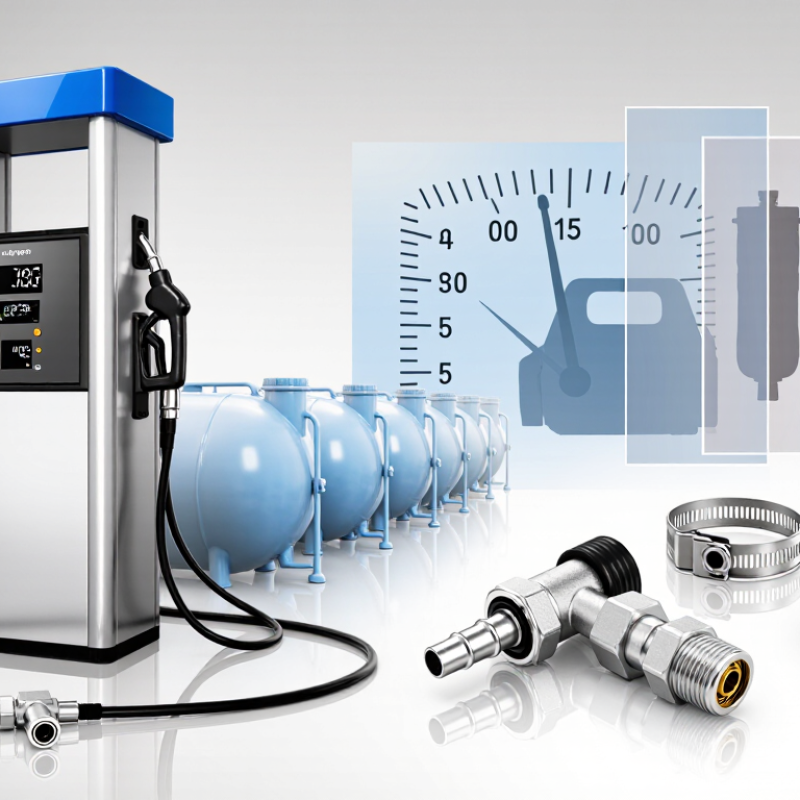
Choosing the best fuel tools begins with understanding how, where, and how often fueling occurs. A small workshop may need a compact transfer pump, accurate meter, durable hose, and clean storage container. A busy fleet yard requires faster flow, longer hose reach, spill control, and equipment that tolerates daily use. Do not estimate demand from tank size alone. Record weekly fuel volume, average transfer time, and the distance between storage and vehicles.
Operating conditions often decide whether a tool performs well. Outdoor sites may expose equipment to rain, dust, freezing temperatures, or strong sunlight. Check temperature ratings, sealing quality, hose flexibility, and corrosion resistance before purchasing. For diesel, gasoline, or other approved fuels, confirm that every component is compatible with the liquid and intended pressure. Use grounded equipment where required, keep ignition sources away, and follow local safety rules and manufacturer instructions.
Field experience also shows that convenience can hide weaknesses. A lightweight nozzle feels efficient, but a fragile trigger may fail during repeated use. Digital meters offer useful records, yet batteries and calibration need attention. This is easy to overlook. Inspect connections, filters, seals, and emergency shutoffs on a regular schedule. A checklist helps, although it cannot replace judgment. Conditions change, and an option that worked last winter may struggle during a dusty summer. Record those failures honestly before selecting the next tool.
7 Tips for Choosing the Best Fuel Tools for Buyers
Choosing a fuel tool starts with the fuel itself. Gasoline tools usually offer quick starting and strong portability. Diesel models often deliver longer working endurance under heavy loads. Propane burns cleanly, but cold temperatures can reduce pressure and performance. I have seen buyers choose by price alone, then struggle with runtime and storage needs. That mistake is easy to make.
Compare output before comparing features. Check power ratings, torque, flow rate, noise, and expected operating hours. A tool may perform well briefly but weaken during continuous use. Read independent test data when available, and inspect how measurements were collected. Numbers can mislead. A higher rating does not always mean better field performance. Check the manual.
Compatibility deserves equal attention. Confirm the approved fuel type, fuel quality, tank connection, hose size, and replacement parts. Seals and gaskets must resist the selected fuel. Some tools also require specific voltage for ignition or control systems. Do not guess. A fitting that looks correct may still leak or restrict flow. I once underestimated connector compatibility during a workshop setup, creating unnecessary delays. That experience changed my buying checklist.
Consider the working environment as well. Outdoor equipment may need weather-resistant construction and easy maintenance access. Indoor use requires careful attention to ventilation and local safety requirements. Compare starting behavior, service intervals, warranty terms, and technical support. A tool that is powerful on paper may be inconvenient beside a cold, crowded workbench.
| Fuel Type | Typical Tool Applications | Performance Profile | Refueling or Charging | Compatibility Requirements | Main Advantages | Important Limitations | Buyer Tip |
|---|---|---|---|---|---|---|---|
| Gasoline | Lawn mowers, chainsaws, generators, pressure washers, and portable pumps | High power-to-weight ratio; suitable for portable equipment and intermittent heavy-duty work | Fast refueling; fuel is widely available but should be stored in approved containers | Use only the fuel grade and oil mixture specified by the engine manufacturer; two-stroke tools require the correct gasoline-oil ratio | Broad availability, strong output, and long operating periods with a spare fuel container | Produces exhaust emissions and noise; fuel can degrade during long storage if not stabilized | Check the required octane rating, engine cycle, fuel capacity, and cold-start system before purchase |
| Diesel | Large generators, compact tractors, construction equipment, and high-load pumps | High low-speed torque and good fuel efficiency for extended, demanding workloads | Quick refueling; diesel storage requires clean, dry containers and protection from contamination | Requires a diesel-rated engine and fuel system; gasoline must not be substituted | Well suited to continuous operation, heavy loads, and equipment requiring strong torque | Usually heavier and noisier than comparable gasoline equipment; cold-weather starting may require additional preparation | Compare rated load, maximum load, fuel consumption, service intervals, and cold-weather operating requirements |
| Propane | Forklifts, heaters, generators, commercial mowers, and selected outdoor power tools | Consistent engine operation with generally lower carbon deposits than gasoline-powered equipment | Cylinder replacement is quick; liquid propane tanks must be stored and handled according to local safety rules | Requires a propane-compatible engine, regulator, tank connection, and approved fuel container | Longer storage life than gasoline when properly contained and reduced liquid-spill risk during refueling | Tank weight, availability, and reduced vapor pressure in very cold conditions can affect convenience and operation | Confirm tank size, connector type, regulator requirements, and expected operating temperature range |
| Battery Electric | Drills, trimmers, blowers, small mowers, portable pumps, and indoor or noise-sensitive work | Instant torque and low vibration; performance depends on voltage, battery capacity, and load | Charging takes longer than liquid-fuel refueling; spare batteries can reduce downtime | Battery voltage, connector design, charger, and battery-management system must match the tool platform | No tailpipe emissions during use, low noise, minimal routine maintenance, and easy starting | Runtime decreases under heavy loads; charging access and battery replacement cost should be considered | Compare amp-hour capacity, charge time, continuous runtime, thermal protection, and the availability of compatible batteries |
| Corded Electric | Indoor tools, workshop equipment, small pumps, fans, and light-duty garden tools near an outlet | Stable output for as long as a suitable electrical supply is available | No refueling or battery charging; operation depends on continuous electrical connection | Voltage, frequency, plug type, circuit capacity, grounding, and outdoor-rated protection must be suitable | Low operating maintenance, consistent power, and no fuel storage requirements | Cable length limits mobility and requires careful routing to prevent cuts, trips, or contact with moving parts | Verify rated current, extension-cord gauge and length, outlet protection, and the tool's intended environment |
Durability starts with the working environment, not the product label.
Inspect fuel tools for corrosion-resistant bodies, reinforced hoses, tight seals, and impact-tested handles. Ask for cycle-test results, temperature limits, and replacement-part availability. A tool used beside vibrating machinery needs stronger connections than one used occasionally in a clean workshop. Cheap materials can become expensive failures.
Safety features require practical verification.
Look for automatic shutoff, pressure relief, secure caps, and clear flow controls. Antistatic protection matters, but grounding and bonding remain system procedures, not simple product features. OSHA 29 CFR 1910.106 and NFPA 30 provide widely recognized guidance for storing and handling flammable liquids. In Europe, applicable ATEX requirements may also affect equipment selection. NFPA’s Fire Loss in the United States During 2023 report recorded approximately 1.35 million fires. These figures are not fuel-tool statistics, but they show why small ignition risks deserve attention. The U.S. Bureau of Labor Statistics reported 5,283 fatal work injuries in 2023. Compliance cannot be treated as paperwork. Check certification records, inspection intervals, and operating instructions before purchase. No checklist is perfect. I still question any tool that hides test evidence behind vague claims. Choose documented performance over attractive packaging, and confirm that the tool matches local regulations, fuel type, temperature, and workplace conditions.
7 Tips for Choosing the Best Fuel Tools for Buyers
Tip 1: Test usability before comparing prices. A good fuel tool should feel balanced and simple to control. Check the handle with gloves, and inspect the display in bright sunlight. Tip 2: Review connection points carefully. Threads should align easily, without forcing or awkward twisting. Small details matter during repeated work.
Tip 3: Study maintenance requirements in the user manual. Look for accessible filters, clear inspection points, and washable components. Tip 4: Ask how often seals, hoses, and measuring parts require checking. Replacement steps should be realistic for your staff. I once overlooked filter access, and routine servicing took twice as long. That was my mistake. Tip 5: Confirm available spare parts. A low purchase price means little if basic components become difficult to obtain.
Tip 6: Evaluate technical support before purchase. Ask about response times, training, troubleshooting documents, and service coverage. Reliable support should explain problems clearly, not simply send generic instructions. Tip 7: Request practical demonstrations or trial periods. Observe noise, cleaning effort, storage needs, and operator fatigue. Written specifications help, but real handling reveals weaknesses. Record these observations and compare them with your workplace requirements. Support quality can vary, so verify every promise in writing.
Choosing the best fuel tools requires more than comparing shelf prices. Calculate total cost across the expected service life. Include purchase price, delivery, installation, calibration, maintenance, training, energy use, and disposal. A low-cost meter may need frequent repairs. That difference matters. Measure flow rates, duty cycles, fuel types, temperature, and storage conditions before buying. An experienced technician can identify compatibility problems early.
Build a simple spreadsheet for each option. Use this formula: total cost equals purchase cost plus operating and maintenance expenses. Ask suppliers for warranty terms, spare-part prices, calibration intervals, and service response times. Verify manuals and certifications against local requirements.
Reliability needs evidence. Request test data, but study the conditions behind the numbers. A tool that performs well in a laboratory may struggle with dust, vibration, or winter temperatures. I once underestimated downtime because maintenance looked minor on paper. The real cost appeared during a rushed replacement.
Compare at least three options using identical assumptions. Score accuracy, safety features, repair access, operating speed, and expected service life. Include training costs for new operators. Cheap tools can become expensive when mistakes increase waste or delays. Still, the most expensive option is not automatically the best value. Recheck assumptions after one month of use. Some figures will be wrong. That is useful. Update the model with invoices, service notes, and measured output, then select the tool that remains dependable without hiding its weaknesses.