How to Choose the Best Air Tool Oil for Your Tools?
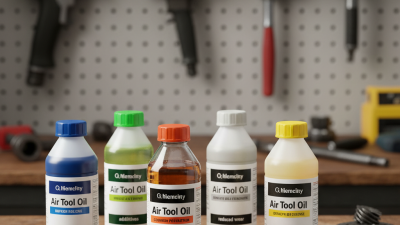
Choosing the best air tool oil is essential for maintaining your tools' performance and longevity. The right oil can reduce wear, prevent rust, and enhance overall efficiency. However, selecting the perfect one isn’t always straightforward. Many options claim to be the best, but not all are suitable for every tool or application.
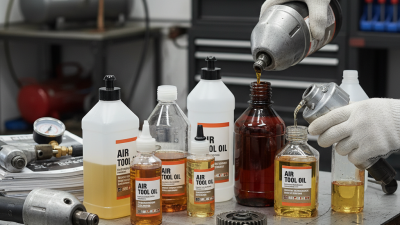
Air tool oil is specifically designed for pneumatic tools. It helps lubricate moving parts and protects against moisture. When shopping for oil, consider factors like viscosity, additives, and compatibility with your tools. Some oils have additives that enhance performance but may not be necessary for all users. Testing different options can lead to unexpected results. You may find your tools operate differently with various oils.
Exploring air tool oil requires careful thought. Reading reviews from experienced professionals can provide valuable insights. Your local hardware store can also offer guidance. Remember, experimenting might reveal the best product for your specific needs. Balancing performance and cost is key. Make sure to select an oil that meets your tools' demands while staying within your budget.
Understanding the Importance of Air Tool Oil for Longevity
Air tool oil plays a critical role in maintaining the longevity of your pneumatic tools. It prevents rust and corrosion, ensuring smooth operation. Tools subjected to regular use generate heat and friction. Without adequate lubrication, they will wear down faster. Moreover, the right air tool oil can help keep the internal components clean from dust and debris.
Choosing the appropriate oil is essential. Look for oils designed specifically for air tools. These oils usually have additives to enhance lubrication and protection. Avoid using motor oils, as they may not provide the same level of performance. Pay attention to the viscosity rating. Proper viscosity ensures optimal flow and protection under varying temperatures.
Even with the best oil, some tools can still show signs of wear. Regular maintenance is key. Inspect your tools often for any signs of leaks or damage. Always store your tools in a dry place. This practice can extend their lifespan significantly. Remember, investing time in maintenance now can save you money in repairs later.
Types of Air Tool Oils: Synthetic vs. Mineral
When selecting air tool oils, understanding the differences between synthetic and mineral options is crucial.
Synthetic oils are engineered for superior performance. They offer enhanced lubrication, reducing friction and providing better protection against wear. According to industry reports, synthetic oils can extend the lifespan of tools by up to 50%. These oils remain stable under varying temperatures, making them ideal for high-demand environments.
On the other hand, mineral oils, derived from refining crude oil, are more affordable but may not provide the same level of protection. They can break down faster under heavy use. Reports suggest that for basic tasks or occasional use, mineral oils can suffice.
However, frequent use might lead to increased maintenance costs.
Using air tool oils properly can extend tool life. Regularly check oil levels and replace oils as needed. Keep tools clean and free from contaminants. Adjusting oil quantity based on tool requirements can also be beneficial. Consider your working conditions when choosing between synthetic and mineral oils. Choose wisely to protect your investment and maintain optimal performance.
Key Factors to Consider When Choosing Air Tool Oil
When selecting the right air tool oil, several key factors must be considered. The viscosity of the oil plays a crucial role in performance. Thicker oils may provide better protection but can reduce efficiency in colder temperatures. Conversely, lighter oils may not offer enough lubrication in high-demand situations. Knowing the operating environment of your tools can guide your choice effectively.
Another important aspect is the oil's additive package. Some air tool oils contain detergents and anti-wear additives that enhance their performance. These ingredients can help maintain clean components, prolonging the lifespan of your tools. It is vital to evaluate how often you will use these tools. If they are in constant use, investing in a high-quality oil might be worthwhile. On the other hand, infrequent users might opt for a more economical option.
Lastly, consider the compatibility of the oil with your specific tools. Using the wrong type of oil can cause damage or reduced efficiency. Look for recommendations from reliable sources or manuals. Not all oil types are created equal, and some experimentation may be necessary. A careful evaluation now can save you headaches later on.
How to Properly Apply Air Tool Oil to Maximize Performance
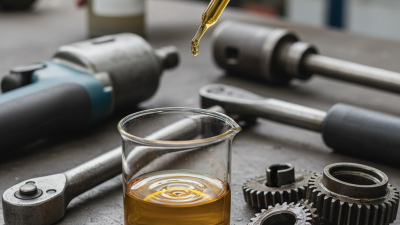
Applying air tool oil correctly can significantly enhance your tools' performance and longevity. For optimal functionality, it's essential to identify the right technique for application. Most experts recommend using a few drops of oil directly in the air inlet of the tool. This allows for even lubrication throughout the internal components. Ultimately, proper oil application can reduce wear and tear by 50%, as stated in industry reports.
Check the oil level regularly to ensure consistent performance. Frequent maintenance is crucial; tools running low on oil can lead to decreased efficiency. Aim to apply oil every few hours of use or after heavy usage. Remember, over-oiling can also create issues. Too much oil can cause excessive buildup, leading to malfunctions.
When you apply oil, use a clean cloth for any excess around the tool. This simple step prevents dirt and debris from adhering to the machine. It’s beneficial not just for the tool's health but also for workplace safety. A well-maintained tool performs better. Regularly observe the results from your oiling technique and adjust as needed to find the most effective method for your tools.
Air Tool Oil Performance Analysis
This chart illustrates various performance metrics of air tool oils, including viscosity, lubrication duration, temperature resistance, corrosion prevention, and foam stability. Each metric is scored out of 100, demonstrating how different oils may excel in specific areas relevant to air tool maintenance.
Best Practices for Storing and Maintaining Air Tool Oil
Proper storage and maintenance of air tool oil can prolong the life and performance of your air tools. According to industry reports, improperly stored oils can degrade quickly, leading to ineffective lubrication. Store your air tool oil in a cool, dry place, away from direct sunlight and heat sources. This can sometimes mean avoiding storage in locations like garages or sheds. Keeping oil in stable conditions can help maintain its viscosity and effectiveness.
Use a clean, labeled container to prevent contamination. Contaminants can harm both the oil and your tools. Research indicates that contamination increases wear rates in pneumatic tools by up to 30%. It's also vital to check the expiration date on oil containers. Expired oil may not perform effectively, leading to potential damage to your equipment. Regular checks of your oil inventory can ensure you always have fresh, effective lubricants on hand.
Pay attention to the oil’s appearance and consistency. If the oil looks cloudy or has floating particles, it may be time to dispose of it. Properly disposing of old oil is crucial for environmental safety, as it can contain harmful elements. Reflect on these practices to develop a better routine for storing and maintaining your air tool oil effectively.