Why Is Pump Oil Important for Industrial Pumps?

Industrial pumps often work out of sight, yet their reliability depends on small details. One of the most important is pump oil. It reduces friction between bearings, gears, and other moving parts. It also carries heat away from loaded components. Without suitable oil, a pump can develop rising temperatures, unusual vibration, and premature wear.

Jim Fitch, founder of Noria Corporation and a recognized lubrication specialist, has said, “Lubrication is the lifeblood of machinery.” His statement explains why oil selection deserves more attention than a routine maintenance checklist usually receives. The correct pump oil must match the manufacturer’s viscosity grade, operating temperature, seal materials, and contamination limits. A heavy oil is not automatically better. It may increase drag during startup. A thin oil can fail to protect surfaces under heavy loads.

The evidence is often visible in the equipment room. Darkened oil, metallic particles on a magnetic drain plug, or a burnt smell can signal trouble. Oil analysis may reveal problems before a bearing begins to howl. Still, oil is not magic. A clean lubricant cannot compensate for misalignment, overloading, or a damaged seal. That assumption is worth challenging.

This guide will examine how pump oil supports efficiency, cooling, component life, and predictive maintenance. It will also explain common selection mistakes and practical inspection methods. Reliable pumping starts with the oil, but it does not end there.
Why Is Pump Oil Important for Industrial Pumps?

What Pump Oil Is and How It Works in Industrial Pumps

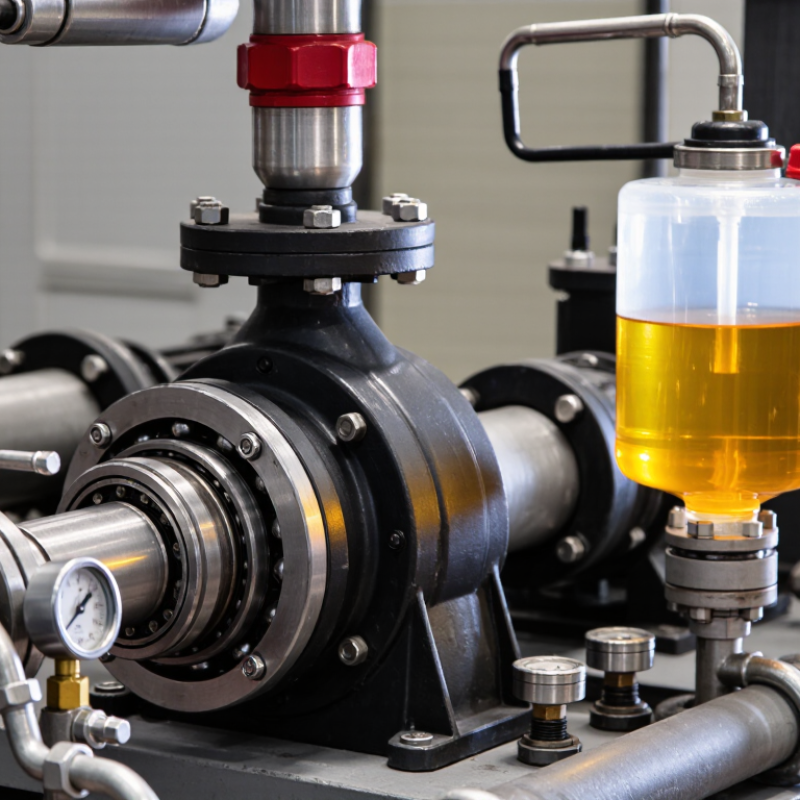
Pump oil is a working fluid, not merely a lubricant. It forms a thin film between bearings, gears, and rotating shafts. This film reduces metal contact, friction, and heat. Oil also carries tiny particles toward filters and helps protect internal surfaces from rust.

Viscosity determines how well the oil performs. Oil that is too thin may lose its protective film during high loads. Oil that is too thick can increase startup torque and energy demand. The U.S. Department of Energy’s Improving Pumping System Performance guide states that optimized pumping systems can often save 20–50% of energy. The International Energy Agency also reports that motor-driven systems consume about 53% of global electricity. These figures show why small friction losses deserve attention. However, oil is not magic. A wrong grade, excessive filling, or poor storage can create new problems.

Tips: Check the operating temperature, speed, load, and seal material before selecting oil. Follow the pump maker’s viscosity range, then verify it with oil analysis. ISO 4406 cleanliness codes help teams track particle contamination. Sample oil from the correct port, not from a drain pan. Look for rising water, metal particles, darkening, or unusual odor. Maintenance teams should record each result and compare trends. One test can mislead. A trend is more useful.

Oil changes should follow condition, not habit alone. A dusty plant, frequent starts, or moisture exposure may shorten service life. In practice, the cleanest oil is often the cheapest improvement, although this is easy to overlook.

How Pump Oil Protects Internal Components

Pump oil forms a protective film between moving parts, reducing direct metal-to-metal contact. In an oil-lubricated industrial pump, that film helps protect bearings, gears, and other components from wear. The difference can be visible during maintenance: healthy oil flows smoothly, while degraded oil may appear dark or contain particles. Small changes matter.

Oil also carries heat away from loaded surfaces and can help limit corrosion by keeping moisture and air from contacting metal. In some pump designs, it supports sealing between close-fitting parts. These roles depend on the pump’s construction, though. Not every industrial pump uses oil in the same way, and adding oil where it is not specified can cause damage.

Protection depends on suitable oil and sensible upkeep. Oil that is too thin may not maintain a stable film under load; oil that is too thick can increase drag, especially during cold starts. Check the level, condition, and replacement interval recommended for the specific pump. Look for milky oil, burnt smells, or unusual metal debris. They deserve attention. A quick visual check is useful, but it cannot reveal everything; I have sometimes underestimated how slowly wear develops. Regular sampling or inspection can catch problems earlier.

Key Benefits of Using the Correct Pump Oil

Correct pump oil protects bearings, seals, and other moving parts from metal-to-metal contact. The right viscosity helps maintain a stable lubricating film during start-up and normal operation. Too-thin oil may fail to separate surfaces; too-thick oil can increase drag and heat. That difference shows up in practical ways: a hotter bearing housing, unusual noise, or oil darkening sooner than expected. Small details matter.

Oil also carries heat and helps limit corrosion, but only when its grade suits the pump’s speed, load, and operating temperature. Follow the equipment manufacturer’s specifications, and check oil condition at consistent intervals. The U.S. Department of Energy’s Operations & Maintenance Best Practices Guide estimates predictive maintenance can save 8–12% compared with preventive maintenance. That figure covers maintenance programs broadly, not pump oil alone, but oil sampling can support earlier fault detection. Tests for viscosity, water, and wear particles offer useful clues. They are not perfect; a sample taken from a dirty drain can mislead. Use a clean sampling point, record results, and investigate changes rather than simply topping up.

How to Choose Pump Oil for Different Industrial Pumps

Choosing pump oil starts with the pump’s lubrication design, not a generic “industrial oil” label. Centrifugal pumps often use oil to lubricate bearing housings; some designs are grease-lubricated or sealed for life. Gear and other positive-displacement pumps may have separate bearings, while the pumped liquid may require a distinct lubricant. Keep these systems separate.

Check the equipment manual for viscosity, oil type, and operating temperature. ISO VG grades classify viscosity at 40°C, but the correct grade depends on bearing speed, load, and start-up conditions.

A high-temperature pump may need oil with stronger oxidation resistance; a dusty or wet environment makes water separation and contamination control important. Small details matter.

The U.S. Department of Energy’s Improving Pumping System Performance: A Sourcebook for Industry (2006) estimates that pumping systems use nearly 20% of global electricity demand. That figure concerns energy use, not oil savings, but it shows why reliable operation matters.

Confirm seal and material compatibility, then follow the manufacturer’s specified change interval and sampling method. For oil-lubricated bearings, inspect for cloudiness, darkening, foam, or a rising oil level; each can signal a problem, though none proves its cause alone.

Do not guess. A useful rule, imperfect but practical, is to select by the pump’s documented duty and verify through oil analysis under real operating conditions. Keep records of grade, top-ups, temperature, and sample results.

Signs of Oil Problems and Essential Maintenance Practices

Pump oil protects bearings, seals, and gears from friction, heat, and corrosion. Its condition directly affects pump reliability. The U.S. Department of Energy reports that pumping systems can consume 25% to 50% of industrial facility electricity. Small lubrication losses can therefore become expensive production problems.

Watch for darkened oil, milkiness, foam, metal particles, or a burnt smell. Rising bearing temperature, unusual noise, vibration, and oil leakage also deserve immediate attention. Milky oil often signals water contamination. Foam may indicate overfilling, air ingress, or unsuitable viscosity. ISO 4406 cleanliness codes help laboratories classify solid-particle contamination, but the code alone cannot explain every failure.

Use the correct oil grade specified for the pump’s operating temperature and load. Check the sight glass during each shift, when practical. Record oil level, temperature, vibration, and visible changes. A sample test can measure viscosity, water, acidity, and wear metals before damage becomes obvious. Replace breathers and damaged seals promptly. Do not rely only on a calendar-based oil change.

I once treated stable oil color as proof of good condition. It was not. A laboratory report later found abnormal wear particles. The U.S. Department of Energy’s Operations and Maintenance Best Practices guide estimates predictive maintenance can reduce costs by 8% to 12% versus preventive maintenance, and much more versus reactive repairs. Sampling intervals should still reflect duty, contamination risk, and manufacturer requirements. No checklist catches everything.

Why Is Pump Oil Important for Industrial Pumps? — Signs of Oil Problems and Essential Maintenance Practices

For oil-lubricated industrial pumps, clean oil of the correct type and level helps protect components and support reliable operation. Always follow the pump and lubricant manufacturer’s instructions.

Area What to Know Common Warning Signs Practical Maintenance
Lubrication and wear control Oil forms a lubricating film between moving surfaces in components designed to be oil-lubricated, helping limit friction and wear. Unusual noise, rising vibration, or increased operating temperature may indicate a lubrication or mechanical issue. Check the oil level and condition using the procedure specified for the pump. Investigate abnormal noise or vibration rather than simply adding oil.
Heat management In some pump designs, oil helps carry heat away from lubricated parts. Its cooling contribution depends on the pump design and operating conditions. Oil that is unusually hot, a persistent temperature rise, or a burnt odor can signal overheating or an underlying fault. Record operating temperatures and check for blocked cooling paths, excessive load, poor alignment, or other causes identified in the equipment manual.
Sealing and protection Depending on the design, oil can help seal clearances and protect lubricated surfaces from corrosion. It does not replace mechanical seals or other specified sealing components. Oil leaks, recurring low levels, or signs of water or process-fluid contamination require investigation. Inspect the housing, seals, connections, and sight glass for leaks. Identify and correct the source of contamination before refilling.
Oil level Both insufficient and excessive oil can cause problems. The correct level and checking method depend on the pump design and operating state. A level below or above the specified range, frequent top-ups, or foamy oil may indicate a problem. Check the level at the required operating condition and use the designated indicator. Do not overfill; investigate repeated level changes.
Oil appearance and contamination Oil condition can provide clues about contamination, oxidation, or wear, but appearance alone cannot confirm oil suitability. Milky or cloudy oil can suggest water contamination; dark, burnt-smelling oil or visible particles warrants further checks. Use the site’s inspection and oil-analysis procedures. If contamination or abnormal wear is suspected, find the cause and change oil as directed.
Oil selection Viscosity, oil type, and required performance depend on the pump, materials, temperature, speed, and service conditions. Persistent overheating, poor lubrication, or abnormal wear may follow use of an unsuitable or incompatible lubricant. Use only the lubricant specification stated in the equipment documentation. Do not mix oils unless compatibility is confirmed.
Oil changes and records Oil degrades over time and can collect contaminants. There is no single change interval suitable for every industrial pump. Repeated contamination, deteriorating oil-analysis results, or operation outside normal conditions may require attention sooner. Set inspection and change intervals from the manufacturer’s guidance, operating conditions, and oil-analysis results. Record dates, oil type, level, and findings.