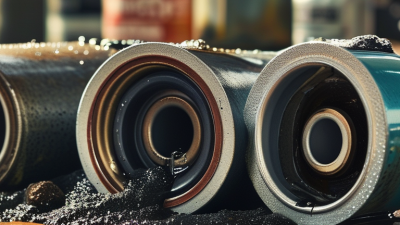
What Is an Oil Filter and What Does It Do?

An oil filter is a small part with a demanding job. It traps dirt, metal particles, and other debris carried by engine oil. Without that barrier, contaminants can circulate through narrow oil passages and rub against moving parts. The filter helps oil keep doing its work: reducing friction, carrying heat, and protecting surfaces. A simple component. Serious consequences.

Automotive technology author James D. Halderman teaches the practical importance of keeping engine oil clean. In a concise paraphrase of that guidance: “Clean oil helps protect an engine’s moving parts.” The filter supports that protection, but it does not make oil maintenance optional. Its paper or synthetic media gradually collects particles, while a bypass valve may allow oil to flow if the media becomes restricted. That safeguard helps maintain circulation, though unfiltered oil may pass through temporarily.

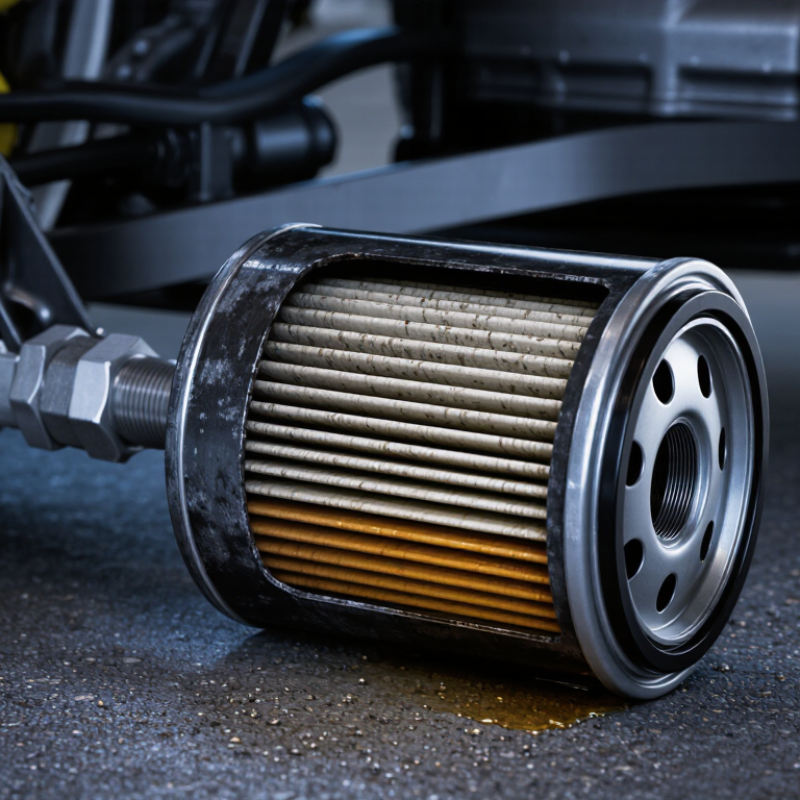
Picture the filter beneath a car, darkened by use, holding debris you cannot see from the outside. Its condition matters, but so do the correct filter specification and timely oil changes. A filter that fits poorly, is overdue for replacement, or is not designed for the engine may offer less protection than expected. And even a quality filter cannot prevent every kind of wear. That part deserves a little humility. Understanding how an oil filter works makes it easier to choose the right one and follow the vehicle maker’s maintenance guidance.
What Is an Oil Filter and What Does It Do?

What an Oil Filter Is

An oil filter is a component in an engine’s lubrication system. It removes particles from the oil as the oil circulates through the engine. These particles can include dust, tiny metal fragments, and residue from normal engine operation. The filter’s media traps much of this material while allowing oil to keep flowing. Small pleats create more filtering surface inside a compact housing. Simple, but important.

Many filters also contain valves that help manage oil flow under specific conditions. For example, a bypass valve may allow oil to circulate if the filter becomes restricted or the oil is very cold. Designs vary, so not every filter works in exactly the same way. Some are replaced as a sealed unit; others use a replaceable element inside a separate housing. One practical detail is easy to overlook: a filter can look clean outside while holding contaminants inside. I find that a useful reminder that appearance alone says little about its condition. The correct filter type and replacement interval depend on the engine maker’s specifications and driving conditions.

What Is an Oil Filter and What Does It Do? — What an Oil Filter Is
Aspect What It Is or Does Why It Matters
Basic definition An oil filter is a component in an engine’s lubrication system that removes contaminants from circulating engine oil. Cleaner oil helps reduce abrasive particles moving through the engine.
Filtration media Inside many filters, porous media traps particles as oil passes through it. The media may be made from cellulose, synthetic fibers, or a blend. The filter media captures contaminants while allowing oil to continue flowing.
Contaminants captured Depending on the filter and its condition, it can trap particles such as dust, soot, and tiny metal fragments produced by normal wear. Removing contaminants helps limit their circulation through engine components.
Oil flow The filter is positioned in the engine’s oil circuit, where oil is directed through the filter media before continuing through the lubrication system. Maintaining oil flow is essential because engine parts rely on circulating oil for lubrication.
Bypass valve Some filters include a bypass valve that allows oil to flow around the filter media if the media becomes highly restricted or oil is too thick to pass through it readily. The valve helps preserve oil flow, although oil flowing through the bypass is not being filtered at that moment.
Anti-drainback valve Some filters have an anti-drainback valve designed to limit oil draining out of the filter when the engine is off. Where fitted, it helps keep the filter filled with oil between engine starts.
Filter types Common designs include spin-on filters, which are replaced as a unit, and cartridge filters, in which the replaceable element fits inside a housing. The correct type depends on the engine’s design and service requirements.
Replacement An oil filter is replaced during maintenance at intervals specified in the vehicle’s owner’s manual or service schedule. Replacement timing varies by vehicle, operating conditions, and the specified oil and filter.

The Role of an Oil Filter in an Engine

An engine’s oil circulates through narrow passages, carrying lubricant to bearings, camshafts, and other moving parts. As it travels, it can pick up soot, fine metal particles, and residue from normal wear. The oil filter traps much of this debris before it returns to the engine. That matters. Clean oil helps reduce abrasive contact between surfaces, especially during repeated cold starts and stop-and-go driving.

Inside the filter, oil passes through a pleated filtering material that provides a large surface area in a compact space. The filter also contains valves that help manage oil flow. If the material becomes restricted, a bypass valve may allow oil to keep circulating, though it may not be filtered while bypassing. This is a useful safeguard, not a reason to ignore a clogged filter. Filter design and service requirements vary by engine.

A filter cannot keep oil clean forever, and it does not repair worn components or correct low oil levels. Its effectiveness depends on using a suitable filter and replacing it according to the vehicle’s maintenance schedule. Driving conditions can matter: frequent short trips may leave moisture and fuel residues in the oil. The dashboard warning light is not a reliable filter-change reminder. Check the maintenance guidance, and inspect for leaks after service; a small drip can be easy to miss.

How an Oil Filter Cleans Engine Oil

What Is an Oil Filter and What Does It Do?
How an Oil Filter Cleans Engine Oil

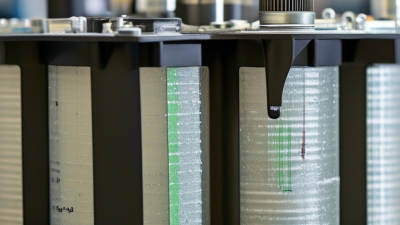
Engine oil picks up soot, tiny metal particles, and dust as it circulates. The oil pump pushes it through the filter’s pleated media, where particles are trapped while oil continues toward bearings and other moving parts. Small details matter: the media’s folds provide a large filtering surface inside a compact metal canister. Clean oil then returns to the engine. Not every particle is caught, and the filter cannot repair worn components.

Filter performance is measured under controlled conditions, not by appearance alone. ISO 4548-12:2017 describes a multipass test for automotive oil filters, assessing particle-removal efficiency and contaminant-holding capacity. A beta ratio of 200 at a specified particle size represents 99.5% removal at that size under the test conditions. That figure is not a promise for every engine or driving pattern. A filter gradually loads with debris; eventually, flow and protection can be affected.

Tips: Follow the vehicle maker’s oil and filter change interval, especially after frequent short trips or dusty driving. Check for leaks around the filter after service. Keep the old filter’s seal from sticking to the engine mount; it’s an easy detail to miss. A fresh filter helps, but it cannot make neglected oil clean again.

What Is an Oil Filter and What Does It Do?

How an oil filter cleans engine oil: it passes circulating oil through filter media that traps contaminants before the oil returns to the engine.

Particle size is measured in micrometers (µm). The 20 µm oil-filter rating shown is a common approximate reference, not a universal specification; actual filtration performance varies by filter design and test method. PM2.5 and PM10 are air-particle size classifications included for scale.

Key Parts and Common Types of Oil Filters

An oil filter contains several parts that work together to keep circulating oil cleaner. In a typical spin-on filter, a metal shell surrounds pleated filter media, which traps particles as oil passes through. The center tube supports the media and carries filtered oil toward the engine. A threaded base plate connects the filter to the engine, while a gasket seals the joint.

Two valves can matter during everyday driving. The anti-drainback valve helps retain oil when the engine is off, especially when the filter is mounted sideways or upright. A bypass valve allows oil to keep flowing if the media becomes restricted, though some unfiltered oil may then pass through. Small parts matter. A filter’s exact design varies, so checking the vehicle’s service information is more reliable than judging by appearance.

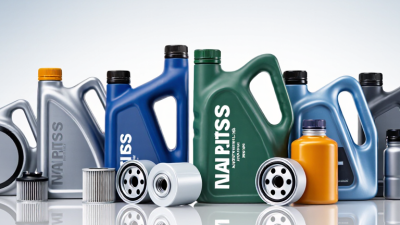
Spin-on filters are replaced as a sealed unit. Cartridge filters use a replaceable element fitted inside a reusable housing, which can reduce discarded metal but requires careful sealing during installation. Magnetic filters attract some ferrous particles; they do not replace ordinary filter media. The differences can seem fussy, and filter labels do not explain every detail. Still, matching the filter type and specifications to the engine helps avoid leaks or poor fit.

When and How Oil Filters Are Replaced

An oil filter traps soot, metal particles, and other debris as engine oil circulates. A clogged filter may restrict oil flow, while a damaged seal can allow leaks. Small part, important job. Many vehicles have the filter replaced at each oil change, but the correct interval depends on the owner’s manual, oil type, and driving conditions. Frequent short trips, dusty roads, or heavy stop-and-go traffic may call for closer attention.

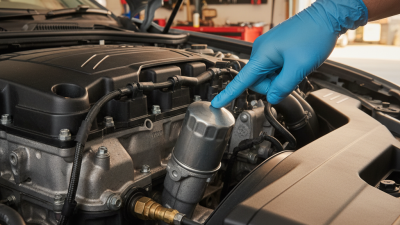
Before replacing it, park on level ground and let hot engine parts cool. Raise the vehicle only with properly rated equipment, and secure it as directed by the vehicle manual. Drain the oil into a suitable pan, then remove the old filter. Check that its rubber gasket came off with it; a stuck gasket can cause a leak when the new filter is installed. Lightly coat the new gasket with clean oil, and tighten the filter according to its instructions. Hand-tightening is common, but specifications vary.

Refill with the specified oil, start the engine briefly, and look for leaks around the filter and drain plug. Shut the engine off, wait a few minutes, then check the dipstick on level ground. Correct any low reading. It is easy to rush this check, and small drips can be hard to spot at first. If access is unsafe or the filter will not loosen, a qualified technician can handle the replacement.