
Where to Buy Top Oil Filtration Systems in China?
Choosing where to buy top oil filtration systems in China takes more than comparing prices. Buyers should examine the equipment’s filtration rating, flow capacity, oil compatibility, and documented test results. A polished catalog is useful, but it cannot replace clear technical specifications. Ask suppliers how they measure particle removal and how often filters need replacement. Request sample reports, operating references, and details about commissioning support.
A proposed expert line for a verified specialist to approve is: “A filtration system is only as dependable as its test data, service support, and fit for the oil it treats.” Do not publish this as a direct quotation until a named expert confirms it. That small check matters. It keeps the advice trustworthy.
China offers a broad supplier base, from established manufacturers to trading companies and specialist integrators. Their product pages may look similar. Their capabilities may not be. Compare factory experience, quality-control records, customization options, spare-part availability, and response times. If possible, arrange a technical call or factory visit. Look closely at the filter housing, seals, control panel, and finish. These details can reveal how carefully a system is built.
This guide explains where to search, what questions to ask, and how to assess suppliers before requesting a quotation. It also highlights common purchasing gaps, including unclear performance claims and limited after-sales support. No single supplier suits every plant. The right choice depends on your process, operating conditions, and maintenance needs.
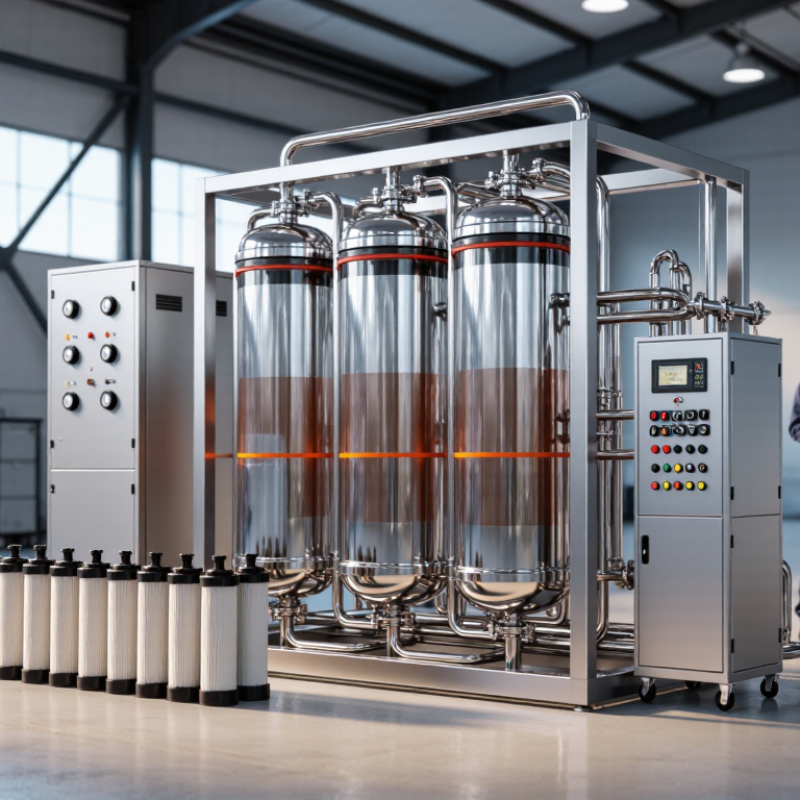
Understanding Oil Filtration Systems and Their Main Applications
Where to Buy Top Oil Filtration Systems in China?
Understanding Oil Filtration Systems and Their Main Applications
Oil filtration removes particles, water, and oxidation residues that can wear equipment or reduce lubricant performance. Common systems include pressure filters for hydraulic circuits, vacuum dehydrators for water-contaminated oil, and centrifuges for heavier solids. Applications range from factory hydraulics and turbine lubrication to transformer oils and metalworking fluids. Small particles matter. ISO 4406 classifies oil cleanliness by particle counts, giving buyers a measurable way to set filtration targets. A filter’s rating alone, however, does not prove it will meet a machine’s cleanliness needs.
The market is broad. Grand View Research estimated the global industrial filtration market at about US$32.28 billion in 2023; this covers multiple filtration types, not oil systems alone. That scale reflects filtration’s role across industrial operations, but it should not be mistaken for a performance guarantee. In practice, oil type, flow rate, operating temperature, water load, and maintenance access all shape system choice. A unit that works well on a slow-moving hydraulic reservoir may be unsuitable for hot turbine oil. Buyers in China should request test methods, rated flow conditions, and service-part availability—not just headline efficiency figures.
Tips: Take an oil sample before selecting a system, then compare results with the equipment maker’s cleanliness target. Check filter replacement intervals and local technical support. Filtration is not a cure-all; worn seals or poor storage can quickly reintroduce contamination.
| System Type | Main Function | Typical Applications | Common Procurement Channel in China | Key Selection Checks |
|---|---|---|---|---|
| Pressure-based particulate filter | Removes suspended solid particles using a filter element or media. Filtration performance depends on the media rating, oil properties, and operating conditions. | Hydraulic systems, lubrication circuits, gearboxes, and general industrial oil maintenance. | Industrial filtration-equipment manufacturers, regional fluid-power distributors, and engineering procurement suppliers. | Confirm oil type and viscosity, required cleanliness level, flow rate, operating pressure, element availability, and replacement interval. |
| Vacuum dehydration and degassing system | Uses reduced pressure and heat to help remove water and dissolved or entrained gases from suitable oils. It may also include particulate filtration. | Turbine oil, transformer oil, and industrial lubricants where moisture or gas contamination is a concern. | Specialist oil-treatment equipment suppliers, transformer-service contractors, and industrial maintenance integrators. | Check the oil’s temperature limits, water-removal requirement, processing capacity, vacuum performance, and compatibility with the oil and seals. |
| Coalescing water separator | Encourages dispersed water droplets to combine so that free water can separate from oil. Performance depends on fluid compatibility and the form of water contamination. | Fuel and lubricant storage, circulating-oil systems, and applications with free or emulsified water contamination. | Oil-treatment equipment suppliers, fluid-handling distributors, and system integrators. | Determine whether water is free, dispersed, or stably emulsified; verify oil compatibility, flow rate, and the required water-separation performance. |
| Centrifugal oil separator | Uses centrifugal force to separate particles or denser liquids from oil. Separation effectiveness depends on particle size, density difference, and operating conditions. | Metalworking-fluid maintenance, industrial lubrication systems, and some fuel or process-oil applications. | Industrial separation-equipment suppliers, process-equipment distributors, and application engineering firms. | Review the fluid’s viscosity and temperature, expected contaminant load, throughput, solids-discharge method, and cleaning requirements. |
| Electrostatic oil purifier | Uses an electric field to attract and capture certain fine, polar contaminants. It is not a universal substitute for conventional particle filtration or water removal. | Selected lubrication and insulating-oil applications where fine contaminants are difficult to remove with standard filters. | Specialist oil-purification suppliers and industrial maintenance integrators with application-testing capability. | Ask for an oil-sample assessment, confirm contaminant suitability, and check operating limits, safety controls, and maintenance needs. |
| Where to compare and buy | Compare technical proposals from direct equipment suppliers, authorized industrial distributors, and engineering integrators. B2B marketplaces can help identify options but should not replace technical verification. | New installations, replacement units, mobile filtration carts, and upgrades to existing oil-maintenance programs. | Request quotations from multiple qualified suppliers in relevant industrial regions of China; evaluate service coverage as well as equipment. | Verify the supplier’s legal and technical documentation, request a written specification, confirm applicable test methods, inspect warranty and spare-parts terms, and arrange a fluid sample test when needed. |
Related Posts
-
2026 Best Oil Filtration Systems for Optimal Performance and Efficiency?
-
Unlocking Opportunities in Oil Filtration at China's 138th Canton Fair 2025: A Data-Driven Insight
-
7 Best Oil Filtration Systems for Industrial Use
-
Exploring the Innovations in Fluid Pump Technology and Their Impact on Energy Efficiency
-

How to Choose the Right Fuel Tools for Your Needs?
-
2025 Top 10 Fuel Filters for Enhanced Engine Performance and Longevity