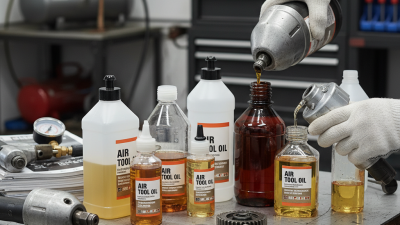
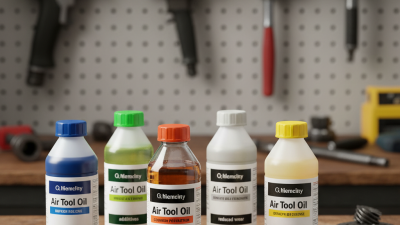
Choosing the best air tool oil is not as simple as buying the thickest lubricant on the shelf. The right choice depends on the tool’s design, operating temperature, duty cycle, and the air supply’s moisture level. A few drops may protect a pneumatic wrench’s vanes, while the same product may not suit every impact driver or air ratchet. Check the tool manufacturer’s manual before choosing a formulation; its lubrication instructions are the most relevant evidence for that specific model.
Industry guidance helps explain why maintenance matters. The U.S. Department of Energy’s Improving Compressed Air System Performance: A Sourcebook for Industry identifies proper maintenance as part of efficient compressed-air system operation. The Compressed Air and Gas Institute also provides technical resources for evaluating compressed-air equipment and systems. These references do not rank air tool oil brands, so claims that one oil is universally “best” deserve caution. For viscosity terminology, ISO 3448 offers a standardized classification system, but it does not replace a tool maker’s recommendation. Small detail. Big difference.
This guide compares common air tool oil types, including mineral-based and synthetic options, and explains where each may fit. It also considers tackiness, rust protection, temperature performance, and compatibility with tool materials. Real workshop conditions can be messy: damp air, a cold garage, and inconsistent oiling all change the picture. The best choice is therefore a suitable oil used correctly—not simply the most expensive bottle.

Air tool oil creates a thin lubricating film inside pneumatic tools. Compressed air drives vanes, pistons, and other moving parts, but it can also carry moisture and tiny particles. Without suitable lubrication, friction rises, parts wear faster, and the tool may run hotter or sound rougher. A few drops of compatible oil at the air inlet can help protect internal surfaces. That distinction matters. Oil can help displace some moisture, but it cannot replace an air filter or regular draining of the compressor tank.
The best oil depends on the tool’s design and the manufacturer’s instructions. Many conventional impact wrenches and air ratchets use purpose-made pneumatic oil, while some newer tools are designed to run without added oil. Using the wrong lubricant, or adding too much, may cause poor performance or damage seals. In practice, check the tool manual, then apply only the stated amount through the correct inlet. A small oiler can make dosing easier, though it may also leave oil in the exhaust air. The messy part is that lubrication needs are easy to overlook when a tool still runs. Listen for changes, inspect the inlet, and follow the maintenance schedule rather than relying on sound alone.
Air tool oil lubricates moving parts, helps limit wear and corrosion, and supports reliable operation. The chart compares nominal ISO viscosity grades; the best choice depends on the tool manufacturer’s recommendation and operating conditions.
ISO viscosity grades describe kinematic viscosity at 40°C in mm²/s (cSt). For example, ISO VG 10 has an allowable range of 9–11 cSt, while ISO VG 32 ranges from 28.8–35.2 cSt. Use oil formulated for pneumatic tools, and follow the tool maker’s guidance—especially in cold conditions.
Air tool oil should match the tool, its seals, and the working temperature—not just the label on the bottle. For everyday pneumatic nailers and impact wrenches, a light pneumatic-tool oil is commonly used to lubricate the motor and reduce wear. In cold workshops, some synthetic oils retain flow better, but check seal compatibility before switching. Silicone oils are not universal substitutes; they may be unsuitable for certain seals or nearby painted surfaces. I would not assume thicker oil offers better protection. It can leave small valves sluggish.
Viscosity gives a useful comparison point. ISO 3448:1992 sets nominal kinematic viscosities of 32 and 46 mm²/s at 40°C for ISO VG 32 and VG 46, respectively; each grade allows a ±10% range. These figures describe viscosity, not a universal air-tool recommendation. Follow the tool manual when it specifies an oil grade. For a dusty jobsite or a tool running for long periods, check lubrication more often and keep the air inlet clean. A few drops may be enough for a hand-held tool, while an installed air-line lubricator needs adjustment to its maker’s instructions.
Tips: Add oil through the inlet before use when the manual calls for it. Run the tool briefly, then wipe away excess oil. Too much oil can exhaust as mist and soil nearby surfaces. If operation feels rough, inspect the air supply and lubrication rather than simply adding more oil.
The best air tool oil is not necessarily the thickest or most heavily fortified. Viscosity affects how quickly oil moves through a tool’s passages and coats moving parts. In cold workshops, overly thick oil may flow slowly; in warm conditions, an oil that is too thin may not protect as intended. Check the tool manual for a recommended grade. There is no universal winner.
Additives can improve rust protection, lubrication, or resistance to foaming. For tools exposed to moisture, corrosion inhibitors matter because water can collect around the air inlet. More additives do not automatically mean better performance. Some formulations may not suit a particular tool, and mixing oils can make their behavior harder to predict. A few drops at the air inlet may be enough for a tool without an automatic lubricator.
Compatibility deserves equal attention. Confirm that the oil is approved for the tool’s seals and internal materials, especially if switching between mineral and synthetic products. If seals swell, soften, or begin leaking, stop and recheck the manual and oil choice. Small differences matter. Keep the container clean, use a measured amount, and watch how the tool runs over several sessions. A quiet, smooth tool is useful evidence, but it is not a substitute for the manufacturer’s specifications.
| Oil Type | Typical Viscosity | Additives and Performance | Compatibility Considerations | Best Use |
|---|---|---|---|---|
| Dedicated pneumatic tool oil | Commonly ISO VG 32 Some tools call for a lighter or heavier grade. |
Formulated for pneumatic tool lubrication; may include anti-wear, rust-inhibiting, and oxidation-control additives. | Usually the safest starting point for conventional air tools, but check the tool manual and seal requirements. | General-purpose lubrication for impact wrenches, air ratchets, drills, and similar tools when the specified grade matches. |
| Light pneumatic oil | ISO VG 22 19.8–24.2 mm²/s at 40°C. |
Lower viscosity can flow readily through small passages and help with lubrication in cooler conditions. | Use only if the tool maker allows this grade. A thinner oil may not provide the required film strength in every tool. | Tools whose instructions specify a lighter oil or applications where easier flow is needed. |
| Medium pneumatic oil | ISO VG 32 28.8–35.2 mm²/s at 40°C. |
Offers a balance of flow and lubricating film; dedicated formulations commonly include corrosion protection. | Widely used in air tools, but it is not a universal grade. Confirm the required viscosity and seal compatibility. | A common choice for general workshop use when the tool specification calls for ISO VG 32 or an equivalent. |
| Heavier pneumatic oil | ISO VG 46 41.4–50.6 mm²/s at 40°C. |
Provides a thicker oil film than lower grades, but flows less readily through narrow passages, especially when cold. | Use only where the tool manufacturer specifies or approves it; excessive viscosity can impair tool operation. | Specific tools or operating conditions that call for a heavier grade. |
| Synthetic pneumatic lubricant | Varies by formulation; match the viscosity grade specified for the tool. | Some formulations are designed for oxidation stability or low-temperature flow. Additives and base oils differ by product. | “Synthetic” does not guarantee compatibility. Check the lubricant documentation for the tool’s seals and existing oil; avoid mixing unless approved. | Use when the tool manufacturer approves the formulation, particularly for demanding temperature or service conditions. |
| Hydraulic or compressor oil | Available in many grades, including grades that may appear similar to pneumatic tool oil. | Designed for other systems and duties; its additive package may not suit the lubrication and air-exhaust conditions of a hand tool. | Do not assume a matching viscosity makes it suitable. Use in an air tool only if the tool manufacturer explicitly approves it. | Generally use in the equipment for which it is specified, not as a substitute for air tool oil. |
| Automotive engine oil or transmission fluid | Often differs in viscosity and formulation from the grade required by an air tool. | May contain detergent, dispersant, friction-modifier, or other additives intended for engine or transmission service. | Not a routine substitute: formulation, viscosity, and seal compatibility may be unsuitable for a pneumatic tool. | Use only if the tool manufacturer specifically identifies it as an acceptable lubricant. |
Selection tip: Follow the tool manufacturer’s viscosity and lubrication instructions first. ISO VG viscosity ranges are measured at 40°C; viscosity alone does not establish compatibility. Apply oil through the inlet or lubricator as directed, and do not confuse air tool oil with air-compressor pump oil.
Choosing the best air tool oil starts with your equipment’s instructions, not a guess at the shelf. Check the manual for the required oil type, viscosity, and application method. Many pneumatic tools need a light oil made for air-tool lubrication, but some models are designed to run without added oil. That difference matters. Oil in an oil-free tool can damage components or affect its warranty.
Next, consider how and where the tool operates. A nailer used in a cold garage may need different guidance from a grinder running for long periods in a warm workshop. Look for oil that flows at your working temperature and is compatible with the tool’s seals. A few drops into the air inlet may suit an occasional-use tool; a fixed in-line lubricator may be appropriate for equipment used throughout the day. Follow the specified amount. More oil is not automatically better.
It is easy to focus too much on viscosity. Compatibility and correct dosing are just as important. Avoid substituting general-purpose oils unless the manufacturer specifically approves them; additives can affect seals or leave unwanted deposits. Keep the oil container clean, and don’t mix products when their specifications differ. Before buying, compare the manual’s requirements with the oil label, then check the air line for moisture or dirt that could undermine lubrication. A small detail, but an easy one to miss.
Air tools generally need a light oil made specifically for pneumatic equipment. Many manuals recommend non-detergent air tool oil, while some tools allow approved synthetic options. Check the manual before choosing: internal seals and lubrication needs differ. Do not assume automotive or household oil is a suitable substitute. The right oil matters, but applying it correctly matters just as much.
Disconnect the air supply before adding oil. Put the amount specified in the manual into the air inlet, then reconnect the hose and run the tool briefly. A few seconds is often enough to distribute the oil. Hold a cloth near the exhaust to catch any mist. It is easy to overdo it; extra oil does not mean extra protection. If the tool uses an inline lubricator, keep it filled and use the recommended setting.
For regular care, follow the tool’s service schedule and check its inlet and air filter for dust. Drain moisture from the compressor tank and any filter designed for that purpose; water can contribute to corrosion even when the tool is oiled. Wipe the exterior after use, and store the tool clean and dry. If performance changes or the tool sounds unusually dry, stop and consult its manual rather than adding oil repeatedly. A little uncertainty is a useful reminder: maintenance instructions are tool-specific.